


You’ve just finished your eye exam. The optometrist hands you your prescription, and you start reading the numbers.
OD (right eye) shows one prescription.
OS (left eye) shows something noticeably different.
Maybe one eye is -1.00 and the other is -4.50. Maybe one is farsighted while the other is nearsighted. Suddenly, you’re wondering: Is something wrong with my eyes? Why do I have a different prescription in each eye?
Take a deep breath.
Having different prescriptions in each eye is extremely common. The medical term for it is anisometropia, and while it may sound serious, it’s usually just a natural variation in how your eyes developed. It’s not a disease, and in most cases, it’s not dangerous.
However, it does need to be corrected properly. If uneven vision goes untreated, it can lead to headaches, dizziness, poor depth perception, and long-term eye strain.
Let’s break down what anisometropia is, why it happens, and how to choose the best glasses for different prescriptions so your vision feels balanced and comfortable.
What Is Anisometropia?
Anisometropia simply means that your two eyes have different refractive powers. In other words, one eye needs stronger vision correction than the other.
This difference happens because each eye may have a slightly different shape or length. Even a tiny variation in eye length can significantly affect how light focuses on the retina. As a result:
One eye may be more nearsighted (myopic) than the other
One eye may be more farsighted (hyperopic)
Both eyes may need correction, but at different strengths
In rare cases (called antimetropia), one eye is nearsighted and the other is farsighted
Think of it like shoe sizes—most people don’t have perfectly symmetrical feet. Similarly, perfectly identical eyes are less common than you might think.
Anisometropia is usually just a normal difference in development. With proper prescription glasses, most people adapt quickly and experience clear, comfortable vision.
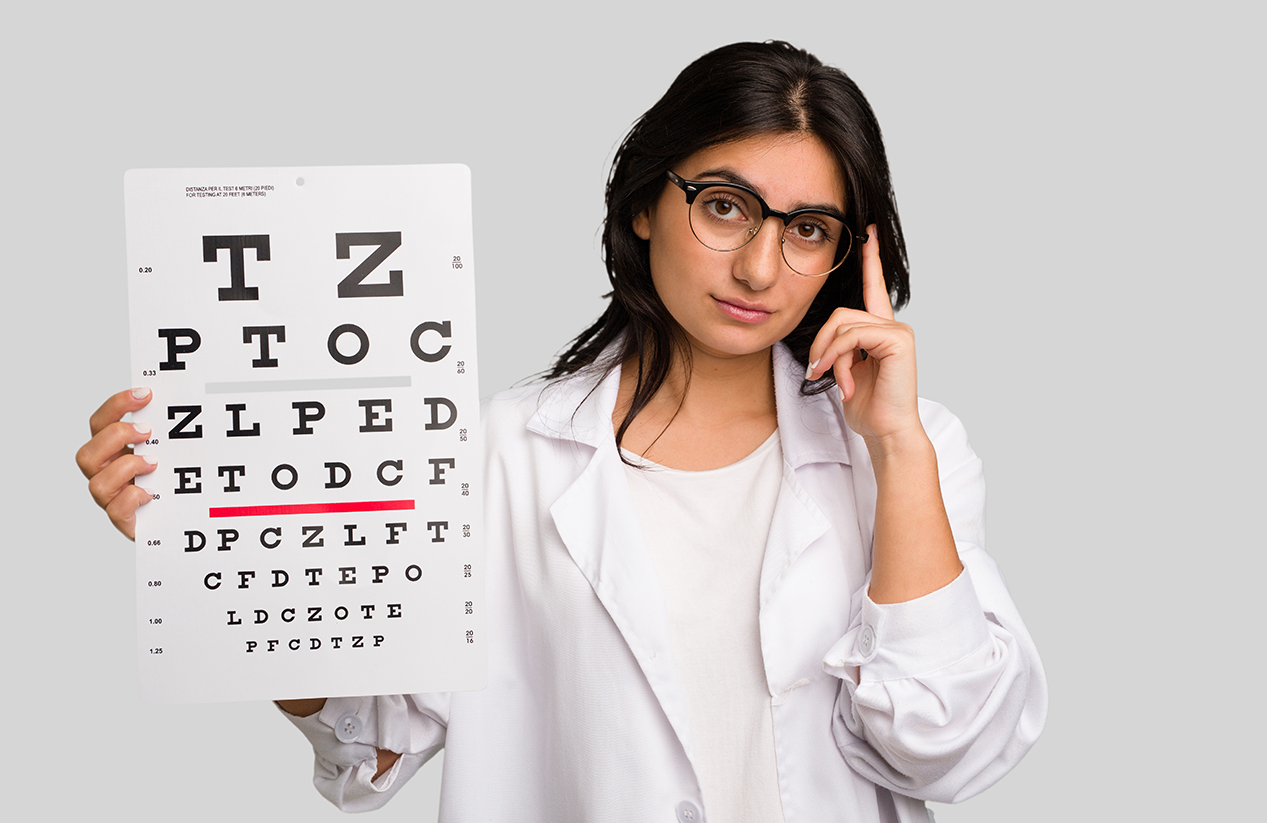
What Causes Different Prescriptions in Each Eye?
1. Genetics
The most common cause of uneven vision is genetics. Eye shape and growth patterns are often inherited. If a parent has anisometropia or uneven prescriptions, children are more likely to develop it as well.
2. Eye Growth During Childhood
As children grow, their eyes grow too. Sometimes one eye elongates slightly more than the other, creating a difference in refractive error. This can gradually increase over time.
3. Age-Related Changes
After age 40, presbyopia (age-related near vision loss) may develop at slightly different rates in each eye. Cataracts can also begin forming in one eye earlier than the other, leading to unequal prescriptions.
4. Rare Habit-Related Factors
While less common, long-term visual habits—such as consistently viewing screens from one angle—may contribute to minor imbalances. However, genetics and eye development remain the primary causes.
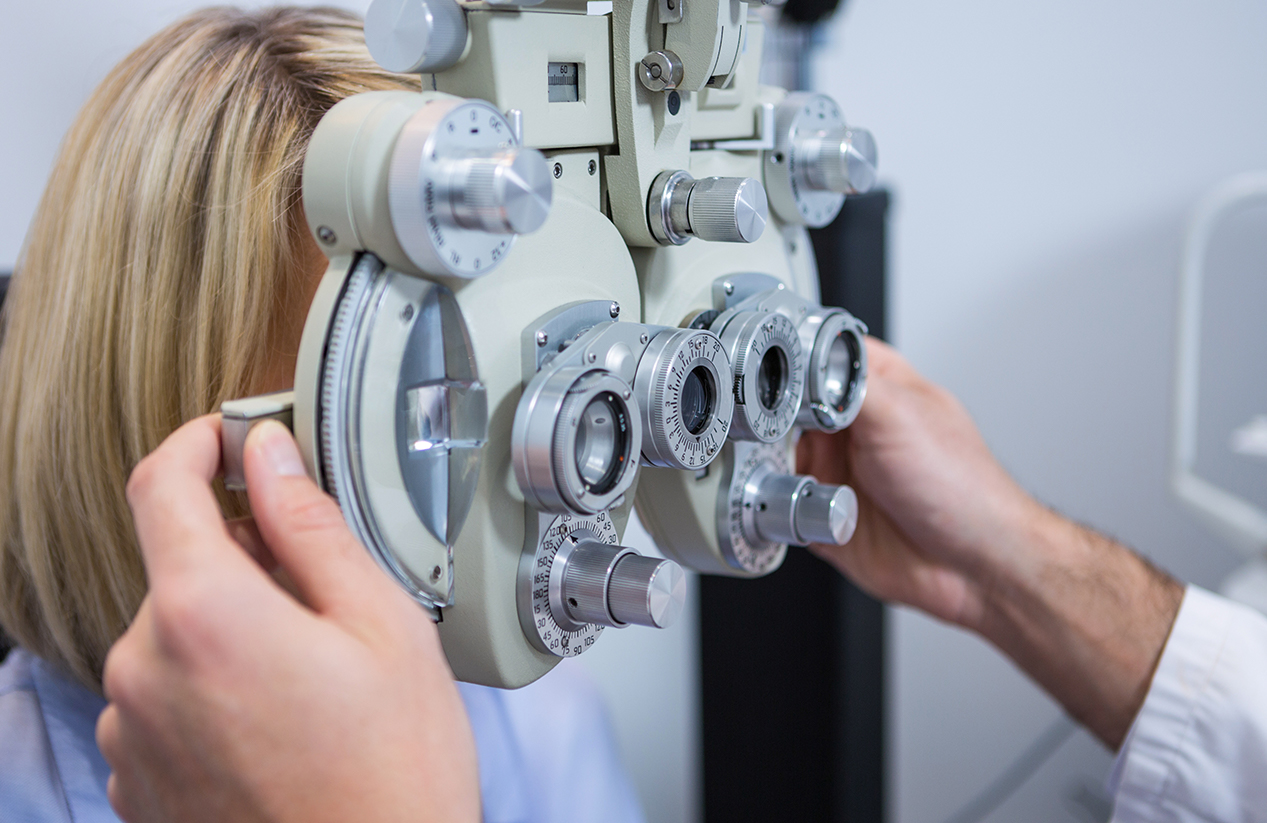
Symptoms of Untreated Anisometropia
Your eyes work together as a team. They send two images to your brain, and your brain merges them into one clear 3D picture.
When one eye is significantly stronger than the other and uncorrected, your brain struggles to combine the images properly. This can result in:
Frequent headaches
Eye strain after reading or screen time
Dizziness or mild nausea
Poor depth perception
Clumsiness or difficulty judging distances
For children, untreated anisometropia can be more serious. If one eye sends consistently blurry images, the brain may begin to ignore that eye entirely—a condition called amblyopia (lazy eye). This is why regular pediatric eye exams are essential.
Correcting a different prescription in each eye is not optional—it’s necessary for visual comfort and long-term eye health.
How to Choose the Best Glasses for Different Prescriptions
If one eye is -1.00 and the other is -5.00, the lenses will naturally differ in thickness. Without proper lens selection, glasses can feel heavy, look uneven, or distort image size.
The good news? Modern lens technology solves most of these issues.
Choose Full-Rim Frames
Full-rim acetate or plastic frames are ideal for anisometropia. Thicker rims help hide lens edge thickness differences, creating a more balanced appearance.
Rimless or semi-rimless frames expose the lens edges, making uneven thickness more noticeable.
Invest in High-Index Lenses
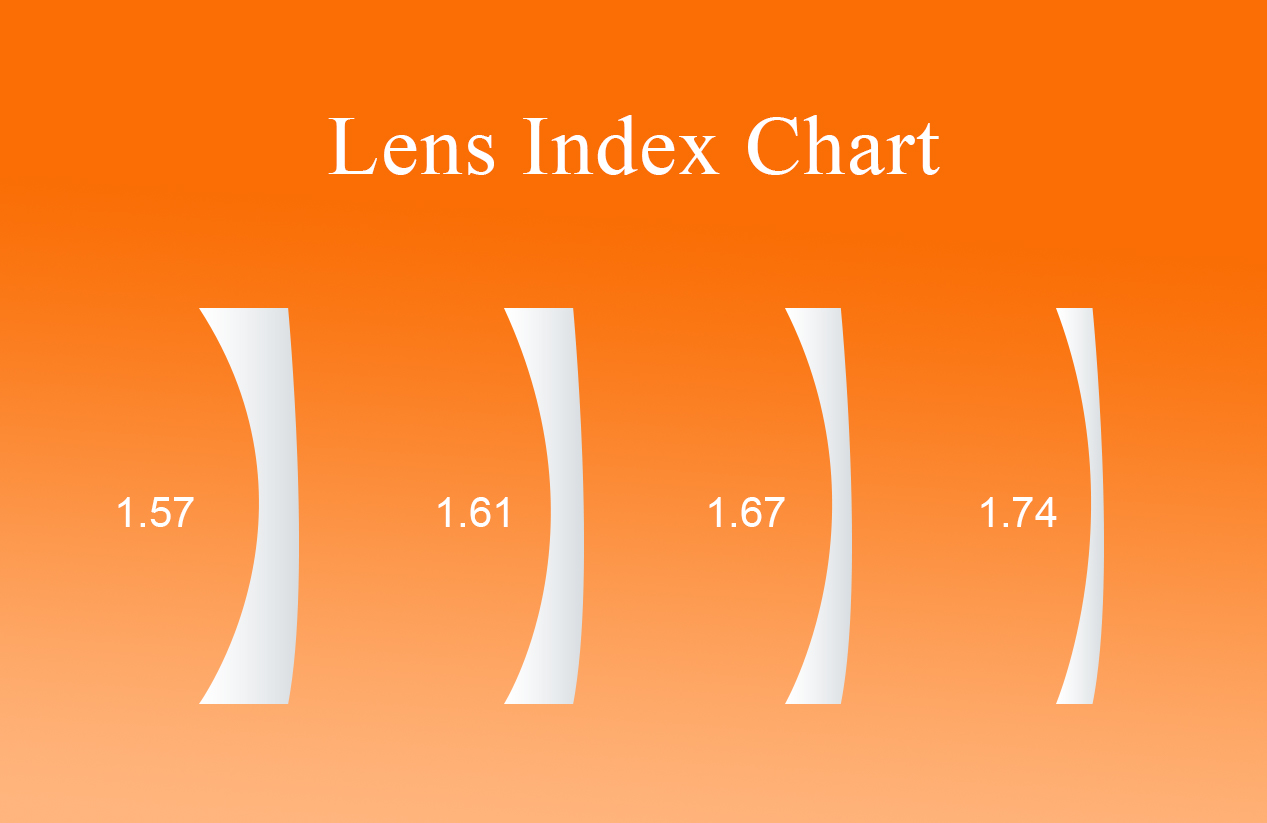
For glasses for different prescriptions, high-index lenses (1.61, 1.67, or 1.74) are highly recommended. These lenses are thinner and lighter than standard plastic lenses, even for strong prescriptions.
High-index lenses:
Reduce weight imbalance
Minimize the “bulging” or “shrinking” eye effect
Improve comfort for all-day wear
Create a more symmetrical look
If you’re buying prescription glasses online, upgrading to high-index lenses is often the most important step for anisometropia.
Select Smaller or Medium Frames
Oversized frames may look trendy, but larger lenses mean thicker edges. Smaller frames reduce lens thickness and weight, making them better suited for uneven prescriptions.
Consider Aspheric Lenses
Aspheric lenses have a flatter design compared to traditional spherical lenses. They reduce peripheral distortion and provide more natural vision across the entire lens.
For people with uneven vision, aspheric lenses help balance image perception between both eyes, improving visual comfort and adaptation.
Why Lens Technology Matters
Correcting anisometropia isn’t just about adjusting numbers—it’s about precision lens design. Advanced digital surfacing technology ensures that each lens matches its prescription perfectly while maintaining visual harmony between both eyes.
At EFE Glasses, we specialize in handling complex prescriptions, including anisometropia and high refractive differences. Our high-index lens options, premium acetate frames, and precision manufacturing processes ensure:
Lightweight comfort
Balanced visual clarity
Reduced distortion
Stylish frame choices
You don’t have to sacrifice appearance for accuracy.
Final Thoughts: Uneven Prescriptions Are Normal
If you’ve discovered that you have a different prescription in each eye, don’t panic. Anisometropia is common, manageable, and completely correctable with the right lenses.
The key is choosing high-quality prescription glasses designed to balance both comfort and clarity.
With modern lens technology and thoughtfully designed frames from EFE Glasses, uneven vision doesn’t have to feel uncomfortable—or look noticeable.
Your eyes may be unique. Your glasses can be too.
Ready to experience balanced, comfortable vision? Explore EFE Glasses and find the perfect pair tailored to your prescription today.