Buy 1, Get Other Frames 50% OffTerms & Conditions!

- GlassesShop By FrameShop By StyleFeatured


Suggested Queries
Suggested for you:
SEE ALL RESULTS
Product
SEE ALL RESULTS
Sorry, we couldn't find any results for ''
Pages





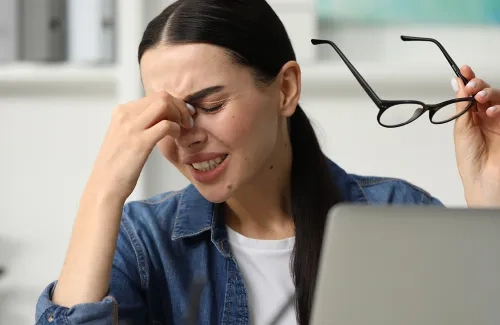




Wearing sunglasses in winter often gets strange looks. People assume the sun isn’t strong, the air feels cold, and everything seems harmless. Until one bright, snowy day changes that assumption completely. You step outside, and your eyes feel a sharp sting—not the warm glare of summer sunlight, but something colder, harsher, almost sneaky. Winter light doesn’t announce itself loudly. It builds quietly, and by the time you notice discomfort, the damage may already be done. That uncomfortable sting is often the first warning sign of snow blindness, medically known as photokeratitis. It’s essentially a sunburn of the cornea caused by intense ultraviolet (UV) exposure over a short period. It’s far more common than people realize, especially in snowy environments. The hidden culprit behind this problem is a simple physics principle most people never think about: the Albedo Effect. Understanding it explains why ordinary fashion sunglasses often fail in winter—and what kind of eyewear actually protects your eyes.
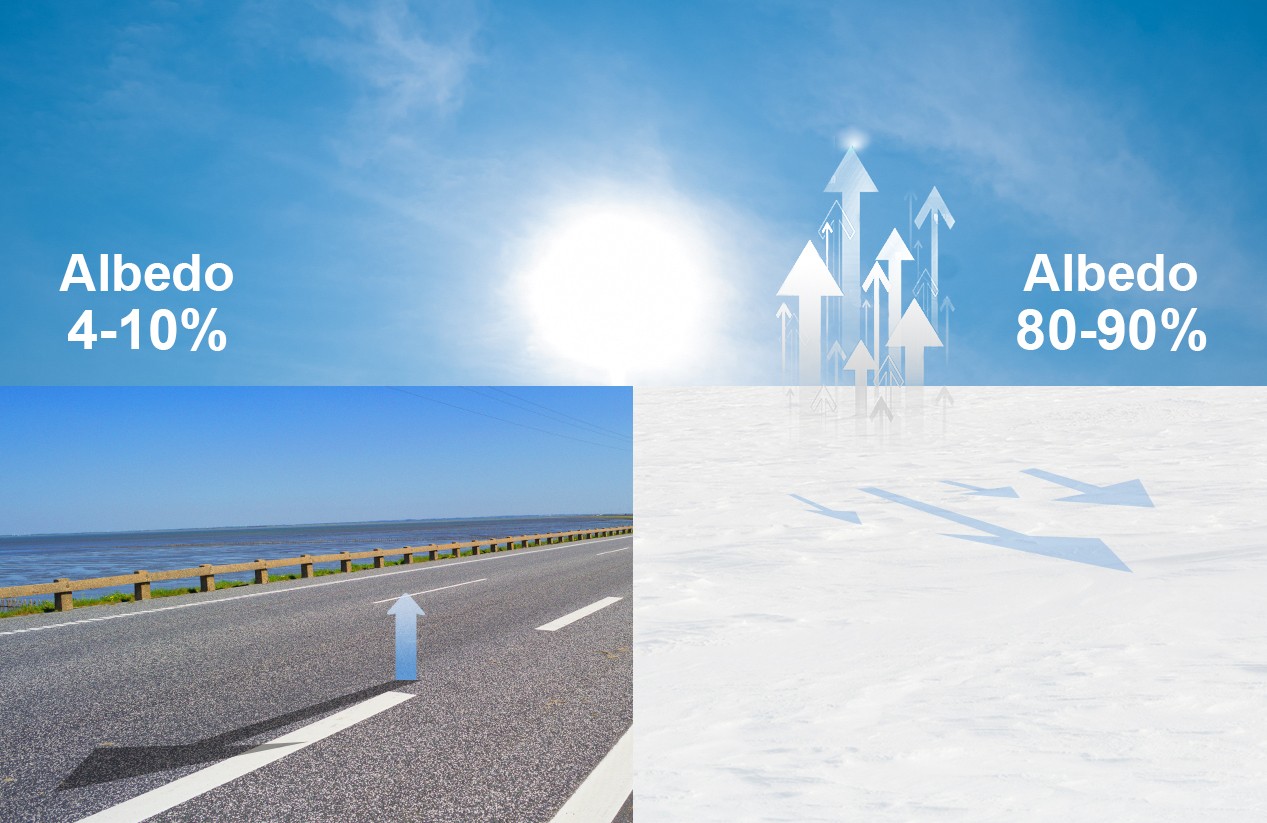
Albedo refers to how much light a surface reflects. Dark surfaces like asphalt or soil absorb most sunlight, reflecting only about 5–10%. Water reflects even less. Snow, however, behaves like a mirror. Fresh snow reflects 80–90% of incoming sunlight. Instead of absorbing light, it sends it straight back upward—directly into your eyes.
This creates what many eye-care professionals call the “double sun” effect:
One source of UV radiation comes directly from above.
A second, nearly equal dose bounces up from the snow below.
Your eyes cannot distinguish between these two sources. They simply receive an overwhelming amount of UV exposure. This is why snow blindness prevention is so important, even when the weather feels cool or mild.
Altitude intensifies the problem. As you go higher, the atmosphere becomes thinner, meaning less natural UV filtration. A common guideline is that UV exposure increases by 10–12% for every 1,000 meters of elevation. At ski-resort heights, that adds up fast. Combine increased UV from altitude with snow’s extreme reflectivity, and the exposure becomes intense in a surprisingly short time.
This explains why skiers, snowboarders, hikers, and winter drivers can experience corneal sunburn in under an hour—often without realizing it until much later.
One of the most dangerous aspects of photokeratitis is delayed pain. Like skin sunburn, the damage happens first. Symptoms usually appear 6–12 hours later.
Common signs include:
A gritty or sandy sensation in the eyes
Extreme sensitivity to light
Excessive tearing
Redness and swelling
Temporary blurred vision or vision loss
If snow blindness occurs:
Move into a dark environment immediately
Remove contact lenses
Use preservative-free artificial tears
Avoid rubbing your eyes
Rubbing can worsen the corneal damage, even though it feels instinctive.
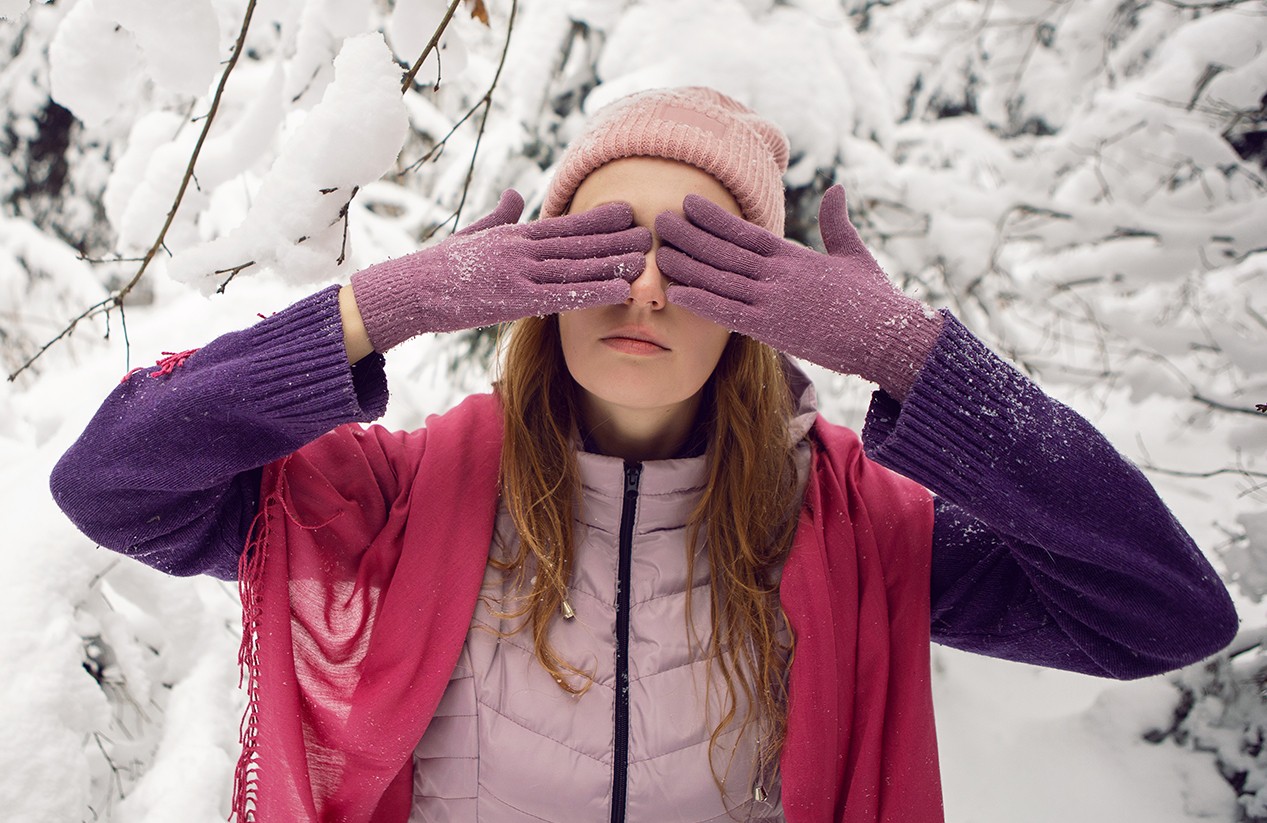
Most everyday sunglasses are designed for casual summer use, not extreme glare. They sit flat on the face, leaving gaps around the sides and bottom. In snowy conditions, reflected UV easily enters through these openings—a problem known as peripheral light leakage.
This is why many people experience snow blindness even while wearing sunglasses.
Better protection options include:
Wraparound frames with an 8-base curve
Snow goggles that fully seal the eye area
Sunglasses designed for high-glare environments
EFE Glasses designs eyewear that prioritizes full UV protection and coverage, helping reduce reflected light exposure in winter conditions.
Lens tint isn’t just about style—it affects how well you see.
Grey or dark lenses: best for bright, cloudless days
Amber, rose, or vermilion lenses: enhance contrast in flat or overcast light
Snow shadows appear blue due to Rayleigh scattering (the same phenomenon that makes the sky blue). Warm-tinted lenses filter this blue light, improving depth perception and helping you spot ice patches and uneven terrain.
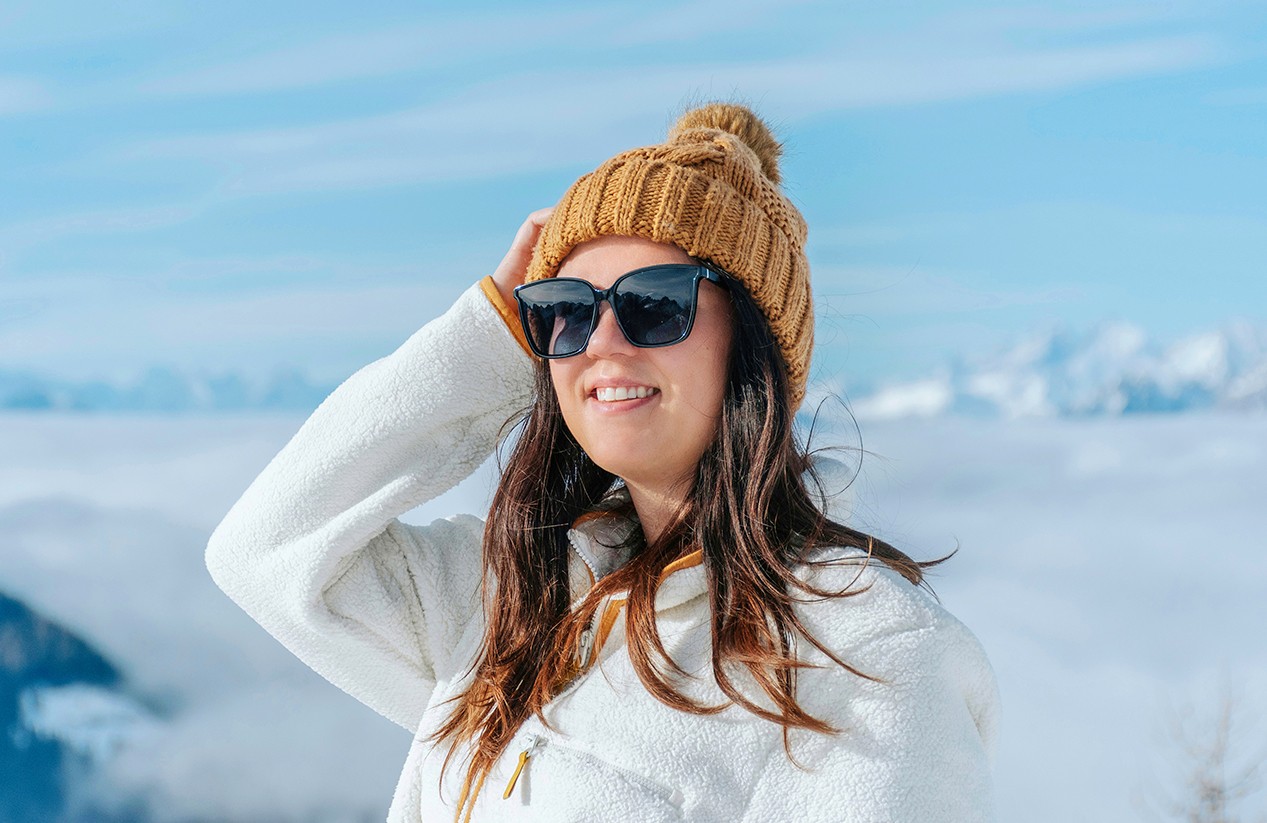
Polarized lenses reduce glare dramatically, making snow surfaces appear smoother and more comfortable to look at. They are excellent for eye strain reduction. However, there’s one safety consideration: polarization can sometimes reduce the visibility of black ice. Drivers and high-speed skiers should be mindful of this effect. EFE Glasses offers polarized sunglasses designed for winter environments, combining glare reduction with visual clarity.
Children’s eyes allow more UV to pass through internally, making them more vulnerable to UV damage. They are also closer to the snow surface, increasing exposure to reflected light.
Toy sunglasses may look fun but often provide little to no UV protection.
Kids need:
True UV400 protection
Polycarbonate or Trivex lenses
Secure, wraparound designs
Without proper protection, children face a significantly higher risk of snow blindness.
Winter sunlight may look soft, but it behaves aggressively. Snow reflection and altitude combine to create extreme UV exposure—even on cloudy days, since UV penetrates clouds easily.
Protecting your eyes in winter requires eyewear built for high-glare conditions, not just stylish frames. EFE Glasses offers UV-protective and polarized eyewear designed to handle bright snow environments effectively.
Winter doesn’t bring one sun—it brings two.
Your eyes deserve protection from both.


