Eyeglasses Guides
What Is the Rarest Eye Color? A Complete Guide to Unique Eyes and the Perfect Frames to Match Them


Beyond Imagination: The Art Hidden in the Iris
Eyes are often called the windows to the soul, but from a scientific perspective, they are also masterpieces of genetic evolution. While most people are familiar with classic brown or ocean-blue eyes, human eye color extends far beyond what we see every day.
From emerald green and amber gold to violet, pink, and even red, the world of unique eye colors is far more diverse than most people realize. These rare shades raise a common question: what is the rarest eye color in the world? And just as importantly—how can you highlight such rare beauty with the right eyewear?
At EFE Glasses, we believe that understanding your eye color is the first step toward choosing frames that protect your vision and elevate your natural features.
Eye Color Genetics: What Makes an Eye Color Rare?
A Genetic Waltz, Not a Single Gene
Eye color is not determined by a single dominant or recessive gene. Instead, it is the result of multiple genes working together, most notably OCA2 and HERC2, which regulate how much melanin is produced and where it is distributed in the iris.
This complex interaction explains why many people ask:
How rare is my eye color?
Why do eyes change color over time?
The Magic of Melanin
Melanin is the key pigment responsible for eye color:
High melanin → brown or very dark eyes
Medium melanin → green, hazel, or amber eyes
Very low melanin → blue, grey, violet, or red eyes
Structural Color & Light Physics
Blue and green eyes do not contain blue or green pigment. Their color comes from Rayleigh scattering, where light reflects and scatters through the iris.
Additionally, the Tyndall effect explains why some eyes appear to shift from blue to green or grey depending on lighting, mood, or surroundings—leading to searches like how rare are eyes that change from blue to green.
Eye Color Rarity Chart: Ranked from Rarest to Most Common
Understanding eye colors by rarity helps answer one of the most searched questions online: what’s the rarest eye color?
Red & Pink Eyes (<1%)
These occur primarily in people with albinism, where the absence of melanin makes blood vessels visible through the iris.
Common questions include:
Do red eyes exist naturally?
Do albino people have purple eyes?
Violet / Purple Eyes (Extremely Rare)
Often linked to albinism or light scattering combined with red vascular reflection. The Elizabeth Taylor “purple eyes” legend made this color famous.
Green Eyes (~2%)
One of the rarest common eye colors, especially outside Northern and Central Europe.
Amber vs. Hazel Eyes
Amber eyes: Pure gold or copper tones caused by lipochrome
Hazel eyes: A mix of brown, green, and gold with color variation
Grey Eyes
Created by collagen density in the iris, giving a soft, cloudy appearance. Grey eyes are rarer than blue eyes.
Are Black Eyes Real?
Scientifically, true black eyes do not exist—only extremely dark brown eyes with very high melanin concentration.
A Rare Visual Phenomenon: Heterochromia
Heterochromia occurs when the eyes have more than one color and is among the most visually striking rare eye conditions.
Complete heterochromia: Each eye is a different color
Central heterochromia: A distinct ring around the pupil
Sectoral heterochromia: A patch of color within one eye
This leads to common searches such as:
Is heterochromia rare?
How rare is it to have two different colored eyes?
Geography & Ethnicity: Rarity Is Relative
Eye color rarity changes depending on location:
In Northern Europe, blue and grey eyes are common
In Asia and Africa, blue, green, and grey eyes are extremely rare
There are also fascinating cases of rare eye colors in non-Caucasian populations, such as blue or green eyes in individuals of African or Asian descent—often linked to genetic mutations or albinism.
Health & Function: The Trade-Off of Rare Eye Colors
Light Sensitivity
Lighter eye colors (blue, green, grey, red) contain less melanin, making them more sensitive to UV light.
Health Considerations
Albinism: May include reduced visual acuity
Light eyes: Higher risk of age-related macular degeneration
Dark eyes: Slightly higher cataract risk
Sudden eye color changes may signal conditions like Horner syndrome or uveitis and should never be ignored.
Eyewear Styling Guide: Frames for Rare Eye Colors
Choosing the right frames enhances rare eyes while protecting vision.
Amber / Gold / Yellow Eyes
Best frames: Tortoiseshell, warm browns, or cool blues and purples
SEO focus: eye glass frames for amber eyes
Green / Hazel Eyes
Best frames: Burgundy, deep purple, wine red
SEO focus: best glasses for green eyes
Blue / Grey Eyes
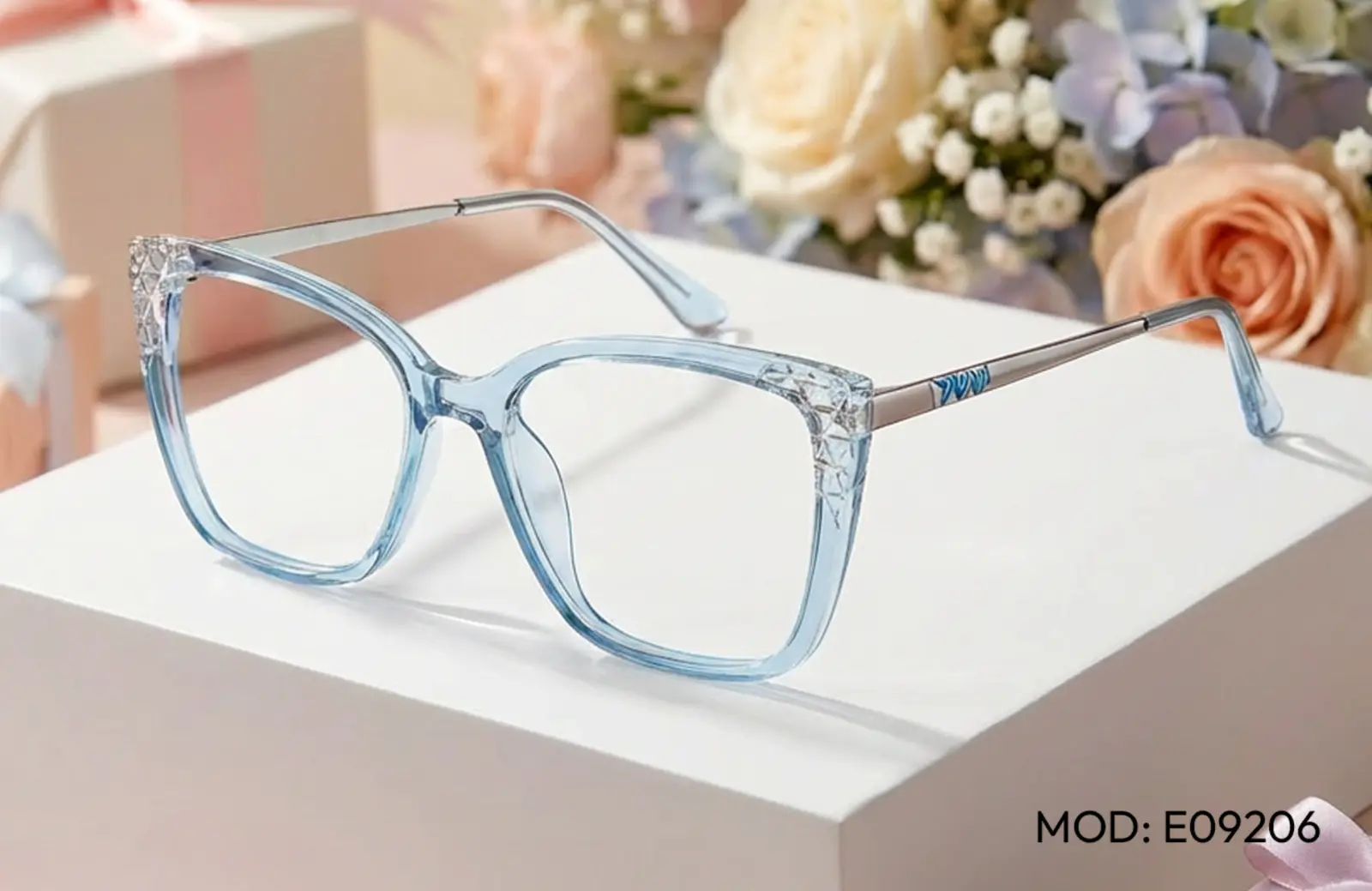
Best frames: Silver, transparent, champagne, or warm orange tones
Red / Pink / Violet Eyes
Best frames: Minimalist black or thin metal frames to keep focus on the eyes
EFE Glasses designs frames that balance color theory, comfort, and full UV protection—making them ideal for people with rare eye colors who need both style and function.
Conclusion: Celebrate What Makes You Unique
Whether you have one of the rarest eye colors in the world or a beautifully common shade of brown, your eyes are a genetic signature that no one else shares.
From green amber eyes to rare blue-green eyes or even heterochromia, understanding eye color rarity helps you make smarter style and eye-health decisions.
EFE Glasses believes that the most unique eye colors deserve frames that protect, enhance, and celebrate them.
Explore the world of eyewear designed for individuality—and let your eyes speak for themselves.