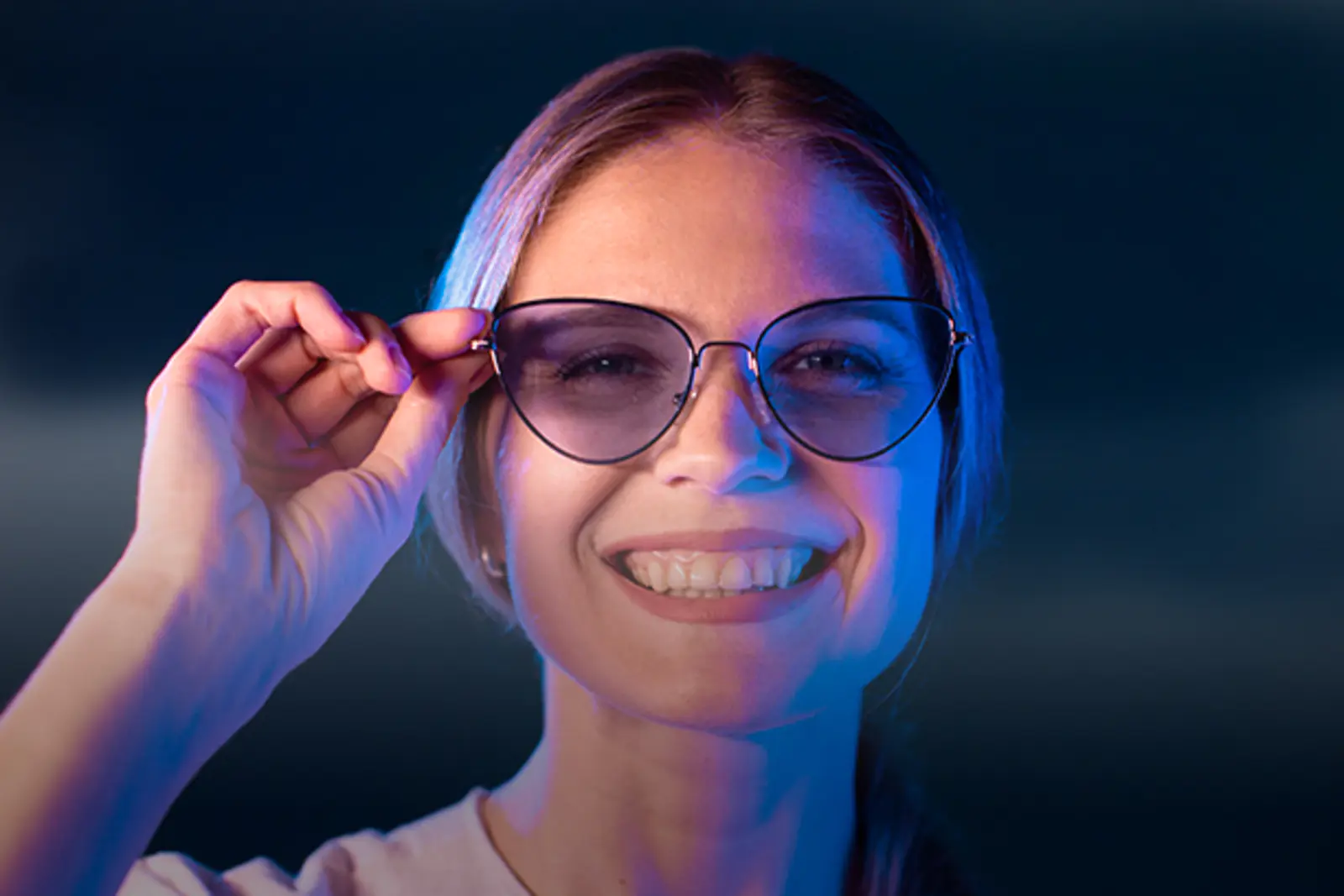
When it comes to vision correction and everyday eye protection, choosing the right eyeglass lens type is just as important as selecting the right frame. Different lenses are designed to address different visual needs, lifestyles, and environments.
At EFE Glasses, we believe that understanding the types of eyeglass lenses and their functions empowers you to make smarter, more comfortable, and more effective eyewear choices. Below, we introduce 11 common types of eyeglass lenses, explaining what they do and who they’re best suited for.
1. Blue Light Blocking Lenses
Blue light blocking lenses are designed to reduce exposure to high-energy blue light emitted by digital screens such as computers, tablets, and smartphones. These lenses help minimize eye strain, visual fatigue, and discomfort caused by prolonged screen use.
They are especially ideal for:
Office workers
Students
Gamers
Anyone spending long hours in front of screens
At EFE Glasses, blue light lenses are a popular choice for modern digital lifestyles.

2. Anti-Reflective (AR) Lenses
Anti-reflective lenses feature a special coating that reduces reflections and glare from light sources such as screens, headlights, and overhead lighting. This improves visual clarity and reduces eye fatigue.
Key benefits include:
Clearer vision
Reduced glare
Better night driving comfort
Improved cosmetic appearance (less lens reflection)

3. Polarized Lenses
Polarized lenses are designed to block glare caused by light reflecting off flat surfaces such as water, snow, roads, and glass. By filtering horizontally reflected light, these lenses provide sharper vision and enhanced comfort outdoors.
They are ideal for:
Driving
Fishing
Skiing and snow sports
Hiking and outdoor activities

4. Tinted Lenses
Tinted lenses contain color filters that modify light transmission to improve visual comfort in different environments. Depending on the tint color, they can enhance contrast, reduce brightness, or improve color perception.
Some tinted lenses also offer UV protection and can function as sunglasses, helping protect your eyes from strong sunlight and ultraviolet rays during outdoor activities.

5. Anti-Fog Lenses
Anti-fog lenses are specially treated to reduce or prevent fogging in humid conditions or environments with sudden temperature changes. This makes them especially useful for outdoor activities, sports, or daily use in varying climates.
They help maintain clear vision when:
Moving from cold to warm environments
Exercising or sweating
Wearing masks or protective gear

6. Reading Glasses Lenses
Reading glasses lenses are designed to correct presbyopia, a natural age-related condition that affects near vision, typically beginning around age 40.
These lenses provide additional magnification for close-up tasks such as:
Reading
Using a smartphone
Computer work
Reading lenses are available in non-prescription options, commonly ranging from +1.00 to +3.00 diopters, making them convenient and accessible for everyday use.

7. Single-Vision Lenses
Single-vision lenses have one consistent prescription power across the entire lens. They are used to correct:
Nearsightedness (myopia)
Farsightedness (hyperopia)
These lenses are ideal for individuals with a stable prescription who only require correction at one viewing distance.

8. Bifocal Lenses
Bifocal lenses contain two distinct optical zones:
The upper portion for distance vision
The lower portion for near vision
They are suitable for people who need correction for both near and far vision, commonly used by individuals with presbyopia who prefer a clear separation between focal areas.
9. Progressive Lenses
Progressive lenses provide a smooth and gradual transition between distance, intermediate, and near vision—without visible lines. Compared to bifocals, they offer a more natural visual experience.
They are ideal for:
Presbyopia
Users who switch frequently between viewing distances
Those who want one pair of glasses for all-day use

10. High Index Lenses
High index lenses are made from advanced materials that bend light more efficiently, allowing lenses to be thinner and lighter—even for strong prescriptions.
They are especially beneficial for:
High myopia or hyperopia
Improved comfort
Reduced lens thickness and weight
At EFE Glasses, high index lenses are recommended for customers seeking both comfort and a refined appearance.
11. Non-Prescription (Plano) Lenses
Non-prescription lenses, also known as plano lenses, do not correct vision but provide other benefits such as:
Blue light filtering
UV protection
Glare reduction
Eye comfort and protection
They are ideal for individuals without vision correction needs who still want functional eyewear for daily eye protection.
Conclusion
Choosing the right eyeglass lenses depends on your vision needs, daily habits, and lifestyle. From basic single-vision correction to advanced progressive and high index lenses, each lens type serves a unique purpose.
At EFE Glasses, we offer a wide range of lens options designed to deliver clarity, comfort, and protection—helping you see better and feel better every day.
If you’re unsure which lens type is right for you, our team is always here to help guide you toward the best solution for your eyes.