Lenses Guides
How to Activate Transition Lenses Without Sunlight: A Complete Guide


If you’ve recently started wearing transition lenses (also known as photochromic lenses), you might be wondering how to activate them without direct sunlight. These smart lenses are designed to adapt automatically—clear indoors and dark outdoors—offering the convenience of prescription glasses and sunglasses in one.
At EFE Glasses, we know many first-time wearers are curious about how these lenses work and how to get the most out of them. In this guide, we’ll break down the science behind photochromic lenses, how to activate them (even without sun), and what to expect in daily use.
How Do Transition Lenses Work?
Photochromic lenses contain microscopic light-sensitive molecules that react to ultraviolet (UV) light—specifically UVA and UVB rays.
Here’s how the process works:
When exposed to UV light, the molecules change structure
This reaction absorbs light, causing the lenses to darken
When UV exposure decreases, the molecules return to normal
The lenses gradually fade back to clear
This automatic adjustment helps protect your eyes from harmful UV rays while maintaining visual comfort. While the transition is quick, it may take a few minutes for lenses to fully return to clear—especially in low-light environments.
How to Activate Transition Lenses (With or Without Sun)
1. Activate with Natural Sunlight (Best Method)
The most effective way to activate transition lenses is simple: step outside.
Direct sunlight = maximum darkening
Cloudy weather = हलke tint (still active)
UV intensity determines how dark the lenses get
Even on overcast days, UV rays are present, so your light-adaptive lenses will still respond.
2. Activate Transition Lenses Without Sun (UV Light Method)
If you’re indoors and want to test or activate your lenses, you can use artificial UV light.
Use a UV flashlight or torch
Shine it directly onto the lenses
The lenses will darken within seconds
This is the best way to activate transition lenses without sunlight, but keep in mind: natural outdoor light still provides the most consistent and realistic performance.
Tip: This method is useful for testing your lenses or demonstrating how they work, but it’s not a replacement for real-world use.

Do Transition Lenses Work Through Windows?
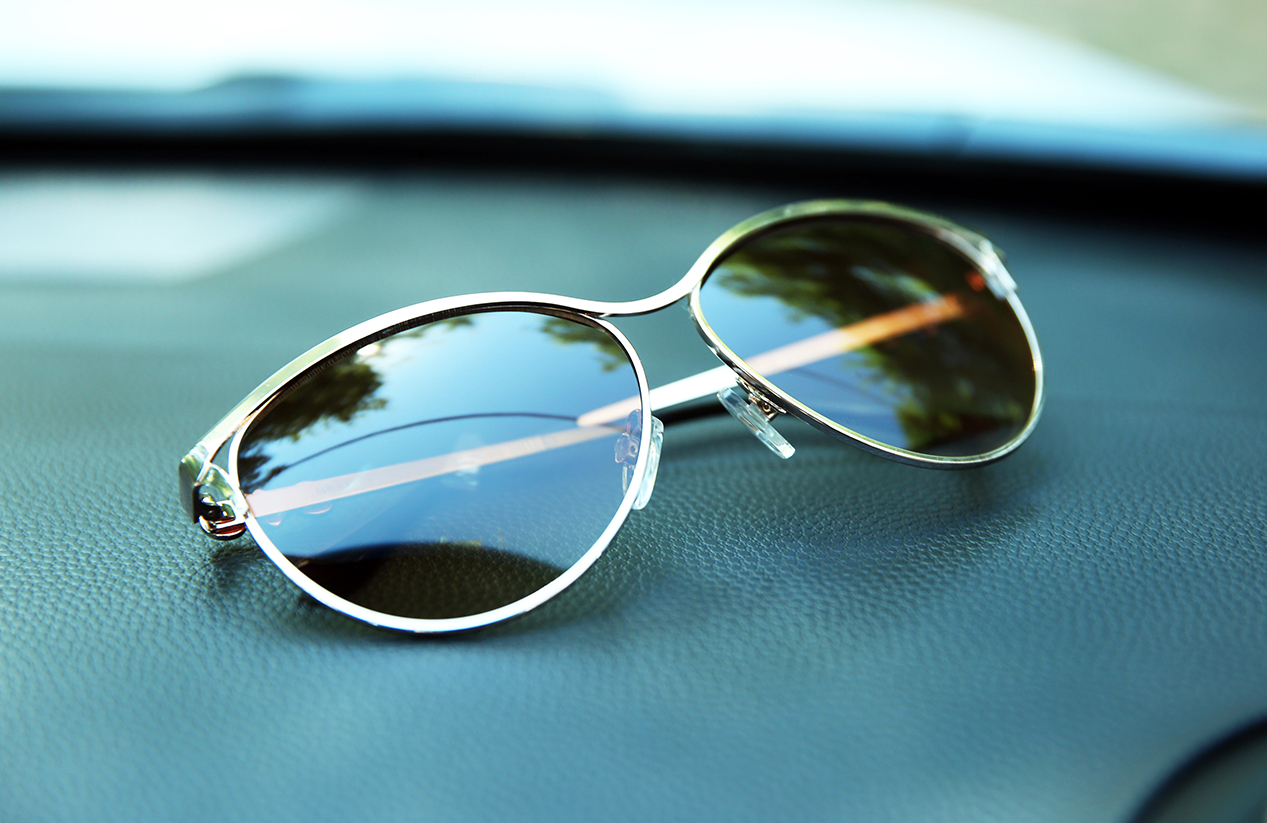
In most cases, transition lenses do not darken indoors or in cars. That’s because modern windows block most UV rays.
This is actually a benefit:
Your lenses stay clear indoors
No unnecessary darkening near windows
Better visibility for work and daily tasks
If you spend long hours at a desk, consider adding an anti-reflective coating to reduce glare and improve comfort.
Are Transition Lenses Good for Driving?
Standard photochromic lenses typically won’t activate behind a windshield due to UV blocking.
However, advanced options are available:
XTRActive® lenses: react to both UV and visible light (work in cars)
Drivewear® lenses: include polarization for glare reduction and better contrast
These options are ideal for drivers who want adaptive sunglasses for driving with enhanced comfort and safety.
Why Choose Transition Lenses?
Transition lenses are perfect for people who:
Spend time moving between indoors and outdoors
Want UV protection glasses without switching pairs
Prefer convenience and versatility
At EFE Glasses, we offer stylish frames paired with high-quality photochromic lenses, combining performance, protection, and everyday wearability.
Frequently Asked Questions
Q: Can I get transition lenses with prescription glasses?
A: Yes! Prescription transition lenses are available with multiple coatings and lens types to suit your lifestyle.
Q: Can transition lenses replace sunglasses?
A: In most situations, yes. They provide full UVA and UVB protection, though polarized sunglasses may still be better for intense glare (like at the beach or while driving).
Q: Do transition lenses block blue light?
A: Many modern photochromic lenses include blue light filtering, making them ideal for screen use and digital eye strain protection.
Final Thoughts
Understanding how to activate transition lenses without sun helps you get the most from your eyewear. While artificial UV light can trigger the effect, natural sunlight remains the best way to experience their full performance.
With the right lenses and frames from EFE Glasses, you can enjoy seamless transitions, all-day comfort, and reliable eye protection—no matter where your day takes you.