Choosing the best glasses for high prescription can make a significant difference in both comfort and appearance. When you have strong myopia, hyperopia, astigmatism, or complex vision needs, the right combination of frames and lenses helps reduce thickness, improve clarity, and create a more balanced, lightweight feel.
Modern optical technology has transformed the experience of wearing high prescription glasses. By selecting high-index lenses, smaller frame shapes, and durable materials such as acetate or titanium, it is possible to achieve clear vision without compromising style.
At EFE Glasses, we believe that strong prescriptions should never limit personal expression. With the right design and lens technology, glasses for strong prescriptions can feel comfortable and look modern.
What Is Considered a High Prescription?
A high prescription for glasses typically refers to a power stronger than approximately ±5.00 dioptres, although definitions may vary slightly between eye care professionals.
Stronger prescriptions often bring certain challenges, including:
Thicker lens edges (especially with myopia)
Increased lens weight
Edge distortion
The well-known “Coke bottle” effect
However, advances in high index lenses and frame engineering now allow wearers to achieve thinner, lighter lenses with improved visual acuity.
Understanding how frame size, material, and lens design interact is key to managing thickness while maintaining excellent visual performance.

Choosing the Right Frame for High Prescription Lenses
Frame selection plays a major role in how thick your lenses appear. Larger lenses require more material, which increases edge thickness and weight. Smaller frames reduce this effect and create a more balanced overall look.
Frames that typically work well for high prescription glasses include:
Smaller frame designs
Round or oval shapes
Full-rim frames that conceal lens edges
Frames that may highlight lens thickness include:
Oversized styles
Semi-rimless frames
Ultra-thin metal rims
Choosing the right frame helps distribute lens thickness more evenly and enhances both comfort and appearance.
At EFE Glasses, frame collections are designed with practical optical considerations in mind, ensuring that even stronger prescriptions can achieve a refined and stylish finish.
Frame Materials for Strong Prescriptions
Frame material directly influences durability, comfort, and visual balance.
Acetate frames
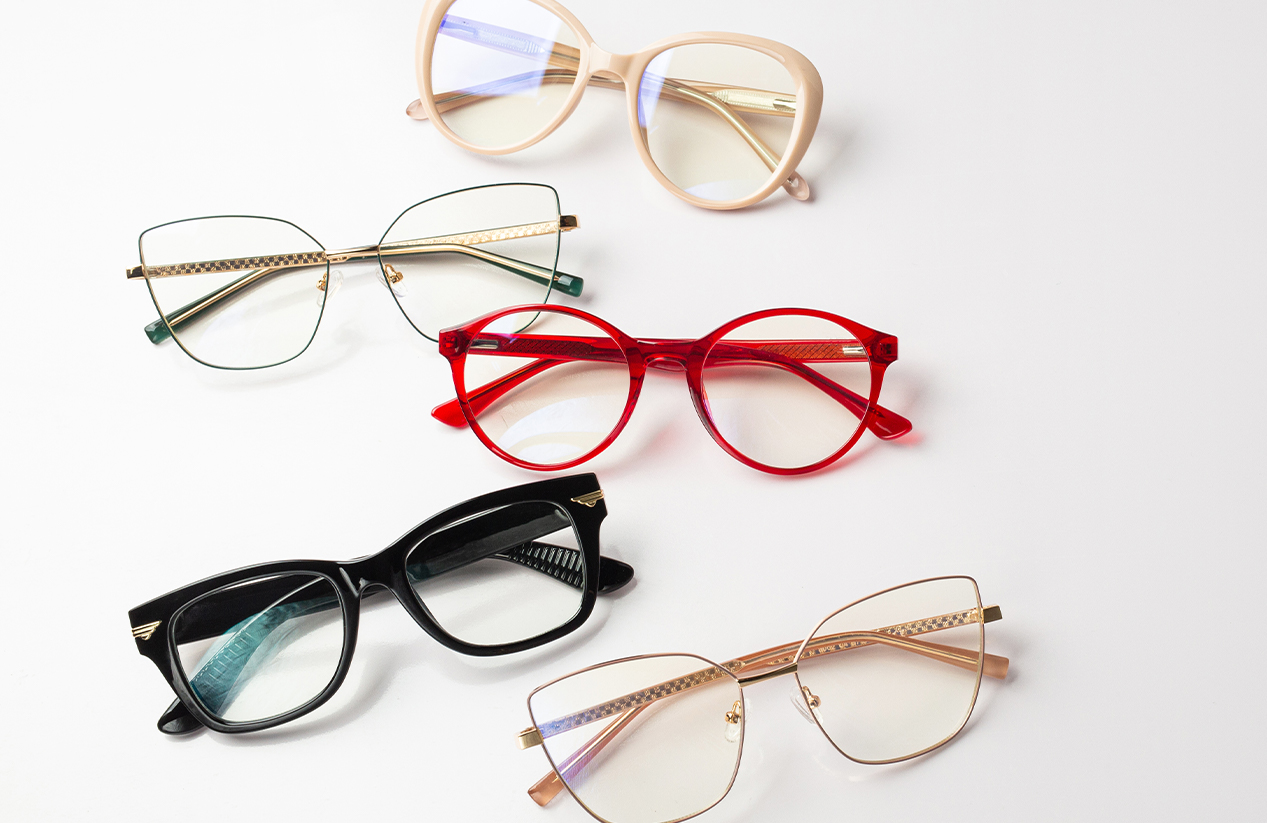
Acetate is one of the most popular materials for glasses for strong prescriptions. Its thicker rims help conceal lens edges while offering flexibility in colours and patterns.
Metal frames
Metal frames provide a lightweight feel but may reveal thicker lenses more easily. Pairing them with high-index lenses can help minimise visible thickness.
Titanium frames
Titanium offers exceptional strength with minimal weight. It is an ideal option for people seeking durable yet comfortable frames capable of supporting heavier lenses.
Each material offers a unique balance between aesthetics and function, allowing wearers to match their prescription needs with personal style preferences.
Best Frame Shapes to Reduce Lens Thickness
Frame shape has a direct impact on lens thickness. Smaller lens surface areas require less material, resulting in thinner and lighter glasses.
Recommended shapes include:
Round frames
Oval silhouettes
Soft rectangular styles
Small to medium cat-eye designs
Round shapes are often preferred because they maintain more uniform thickness around the lens edge, reducing exaggerated corners seen in large rectangular frames.
Full-rim acetate frames remain a top choice for those seeking a balanced appearance with high prescriptions.
Lens Options for High Prescription Glasses
Lens technology is the most important factor when choosing prescription glasses for high prescriptions.
The main goal is to reduce thickness while maintaining visual clarity and comfort.
High Index Lenses: The Optimal Solution
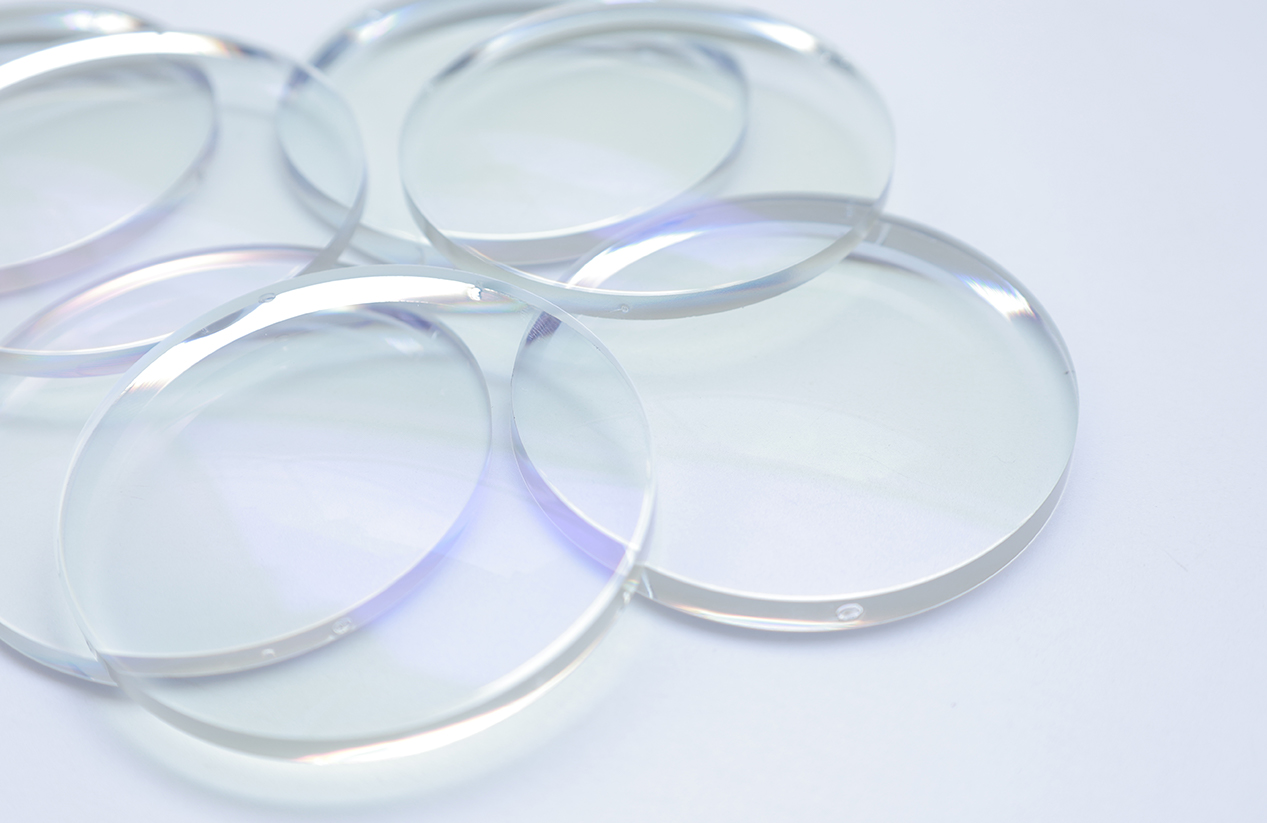
High index lenses bend light more efficiently than standard plastic lenses, allowing them to be significantly thinner and lighter.
Benefits include:
Reduced lens thickness
Lower overall weight
Improved cosmetic appearance
Enhanced comfort for daily wear
Common high-index options include 1.67 and 1.74 index lenses, both suitable for stronger prescriptions.
At EFE Glasses, advanced lens packages are designed to support single-vision, bifocal, and progressive prescriptions while maintaining a sleek look.
Lens Coatings for Better Vision and Durability
Lens coatings further enhance performance and longevity.
Anti-reflective coating
Reduces glare and reflections, improving clarity—especially for night driving and digital screen use.
Blue light filtering
Helps reduce digital eye strain, making it a popular choice for those ordering prescription glasses online.
Scratch-resistant coating
Protects lenses from everyday wear, extending the lifespan of high-quality eyewear.
UV protection and photochromic lenses
UV-blocking lenses help protect long-term eye health, while photochromic lenses offer the convenience of adaptive light control.
Together, these enhancements improve both comfort and durability.
Comfort Tips for High Prescription Glasses
Achieving the best results involves more than selecting frames and lenses.
Accurate pupillary distance measurement
Correct PD alignment ensures the optical centre of each lens matches your eye position, improving visual clarity.
Minimising the “Coke bottle” effect
To reduce visible lens thickness:
Choose high-index lenses
Select smaller frame sizes
Opt for full-rim acetate designs
Ensure precise measurements
Some individuals also alternate between glasses and contact lenses depending on daily activities.

Where to Buy Glasses for High Prescriptions
Today, finding high prescription glasses online is easier than ever. Many optical brands offer advanced lens technology and a wide range of frame styles.
When shopping online, look for:
High-index lens upgrade options
Custom prescription configuration
Flexible return policies
Try-at-home services
At EFE Glasses, collections are developed to meet the needs of wearers with stronger prescriptions, combining modern design with optical precision.
From everyday prescription eyewear to sunglasses and reading glasses, consistent clarity and comfort can be achieved across different eyewear types.
Conclusion: Finding Your Perfect Pair
Choosing the right glasses for strong prescriptions becomes much simpler when you understand how frames, lenses, and measurements work together.
The most effective approach typically includes:
High-index lenses to reduce thickness
Smaller frame shapes for visual balance
Durable materials like acetate or titanium
Accurate pupillary distance measurements
With the right combination, even high prescriptions can result in lightweight, stylish glasses that provide excellent clarity.
At EFE Glasses, we believe that advanced optical design should empower confidence as well as clear vision.
FAQs
What is considered a high prescription?
A high prescription is usually around ±5.00 dioptres or stronger. Stronger prescriptions often benefit from high-index lenses to reduce thickness.
What frames work best for high prescriptions?
Smaller full-rim frames—especially acetate designs—are commonly recommended because they help conceal thicker lens edges.
Do high prescriptions always mean thick lenses?
No. Modern high-index lenses can significantly reduce thickness, especially when combined with smaller frame sizes.
Can I order high prescription glasses online?
Yes. Many brands now offer customised prescription glasses online, provided you have accurate prescription details and pupillary distance measurements.