Sunglasses Guides
How to Protect Polarized Sunglasses from Heat and Scratches


Summer can be tough on your sunglasses. You wear them more often, carry them everywhere, and sometimes forget where you left them—on a car dashboard, in a beach bag, or tossed into a pocket.
This is also the season when polarized sunglasses truly shine. They reduce glare while driving, cut reflections from water, and make bright sunlight much more comfortable. Once people switch to polarized lenses, they rarely go back.
However, what many people don’t realize is that polarized lenses are more complex than they look. Understanding how to protect polarized sunglasses is essential, especially when it comes to heat exposure and daily cleaning habits.
Brands like EFE Glasses design polarized eyewear for everyday comfort and durability—but even the best lenses need proper care. Most damage doesn’t come from drops or obvious accidents. It happens gradually through heat, pressure, and improper cleaning.
Small daily habits can make a big difference in extending the life of your sunglasses.
How Polarized Lenses Work: A Layered “Sandwich” Design
Polarized lenses are not a single solid piece. Instead, they are made using a layered structure.
Inside the lens is a thin polarizing film, sandwiched between outer layers—usually made of TAC or polycarbonate. This structure is what allows the lenses to filter horizontal light and reduce glare.
The polarizing film is well protected and won’t wear off with normal use. However, because the lens is made of multiple layers, each material reacts differently to heat and pressure.
Over time, these differences can lead to internal stress—often before you see visible damage.
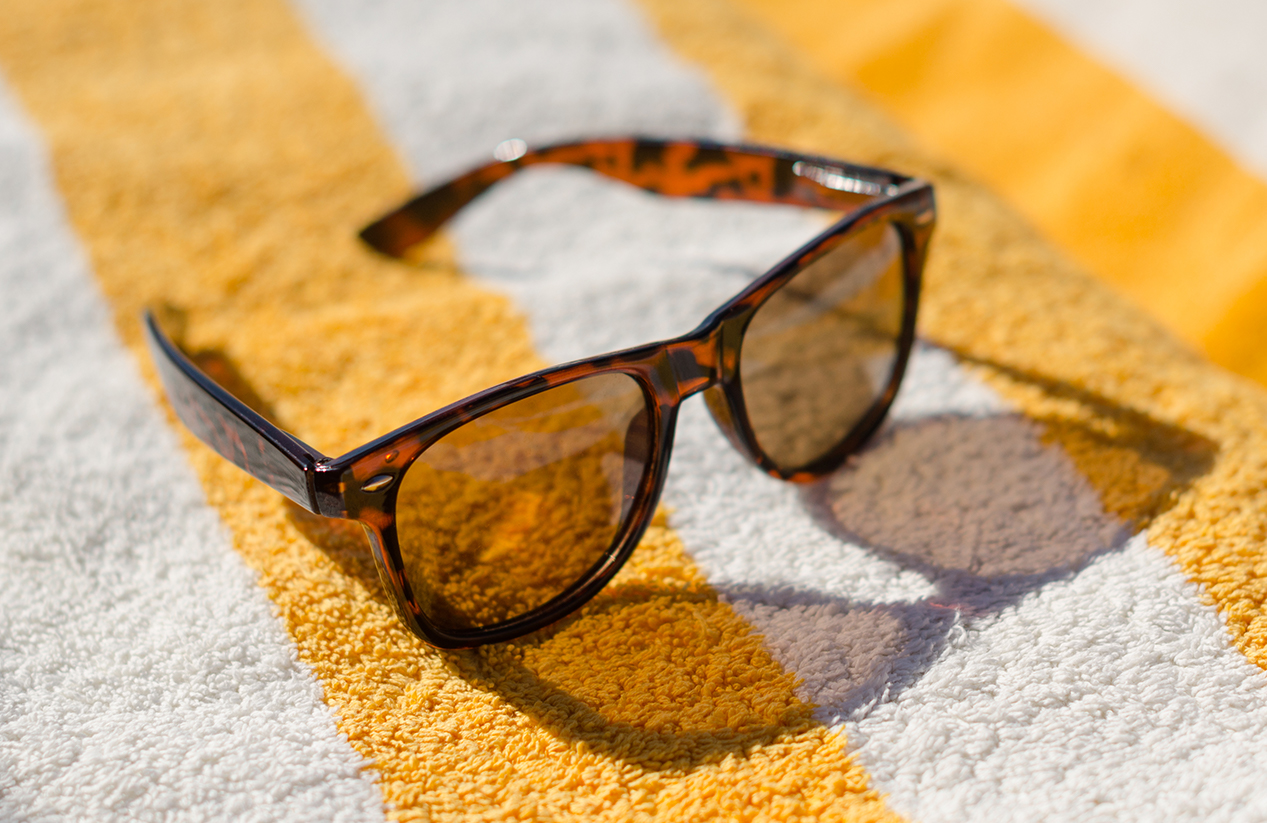
Why Heat Causes Damage to Polarized Sunglasses
One of the biggest threats to polarized lenses is heat.
When exposed to high temperatures, the different layers inside the lens expand at different rates. This can lead to delamination, where the layers begin to separate.
Common cause:
Leaving sunglasses on a car dashboard
Cars heat up quickly, especially in direct sunlight. The temperature inside can rise far beyond what your lenses can safely handle.
Once sunglasses heat damage occurs:
The polarizing film may be permanently affected
Glare reduction becomes less effective
Visual clarity decreases
Unfortunately, this type of damage cannot be repaired.
Simple rule:
If it’s too hot for a child or pet, it’s too hot for your sunglasses.
Always store your glasses in a hard protective case and keep them away from direct heat.
Why Cleaning with Clothes Causes Scratches
Many people clean their sunglasses using a T-shirt or sleeve. It seems harmless—but it’s one of the fastest ways to damage lenses.
Fabric often carries tiny dust particles that you can’t see. When you wipe lenses while they’re dry, those particles drag across the surface.
This leads to:
Micro-scratches
Reduced clarity
Increased glare
If you want to prevent scratches on sunglasses, avoid using clothing entirely.

How to Clean Polarized Lenses Properly
Knowing how to clean polarized lenses correctly can significantly extend their lifespan. The process is simple, but the order matters.
Step-by-step cleaning method:
Rinse with lukewarm water
This removes dust and debris. Skipping this step increases the risk of scratches.Use a small drop of mild dish soap
Gently clean with your fingers. Avoid harsh chemicals like alcohol, window cleaners, or acetone.Rinse again thoroughly
Dry with a clean microfiber cloth
Make sure the cloth is clean—dirty cloths can spread oils and residue.
Storage tip:
When not in use, always keep your sunglasses in a hard case. Bags and pockets may contain keys or sharp objects that can scratch the lenses.
These simple polarized sunglasses care tips can keep your lenses clear and comfortable for much longer.
Polarized Lenses and Screens: What to Expect
Sometimes, polarized sunglasses can make phone screens or car displays appear darker or distorted.
This is completely normal.
LCD screens emit polarized light. When your lenses interact with that light at certain angles, it creates a visual effect called cross-polarization.
What you can do:
Slightly tilt your head to improve visibility
Adjust screen brightness if needed
For certain professions (like pilots or heavy equipment operators), non-polarized lenses may be more suitable depending on display requirements.

Conclusion
Most damage to polarized sunglasses doesn’t happen suddenly—it builds over time through everyday habits.
Leaving them in hot environments
Cleaning them improperly
Storing them loosely
These small mistakes can shorten the life of your lenses.
By following proper polarized sunglasses care tips, you can keep your eyewear in top condition. With thoughtful design and durable materials, EFE Glasses polarized sunglasses are built for daily use—but proper care ensures they stay clear, comfortable, and effective for years.
Protect your lenses, and they’ll keep protecting your eyes. 👓☀️