
Learning Center
Recommended Eye Exam Frequency by Age: How Often Should You Get Your Eyes Checked?


A common question many people ask is: how often should you get an eye exam? The answer is not the same for everyone. Eye exam frequency depends on factors such as age, lifestyle, screen time, and overall eye health.
Vision changes often happen gradually, which means many people only notice problems once symptoms like blurry vision, eye strain, or difficulty reading begin to interfere with daily life. Waiting too long to schedule an exam can delay early intervention and reduce the chances of maintaining optimal visual comfort.
At EFE Glasses, we believe that regular routine eye exams play a key role in protecting long-term vision. By detecting early changes in eyesight and eye health, timely checkups help ensure clear, comfortable vision at every stage of life.
Recommended Eye Exam Frequency for Adults
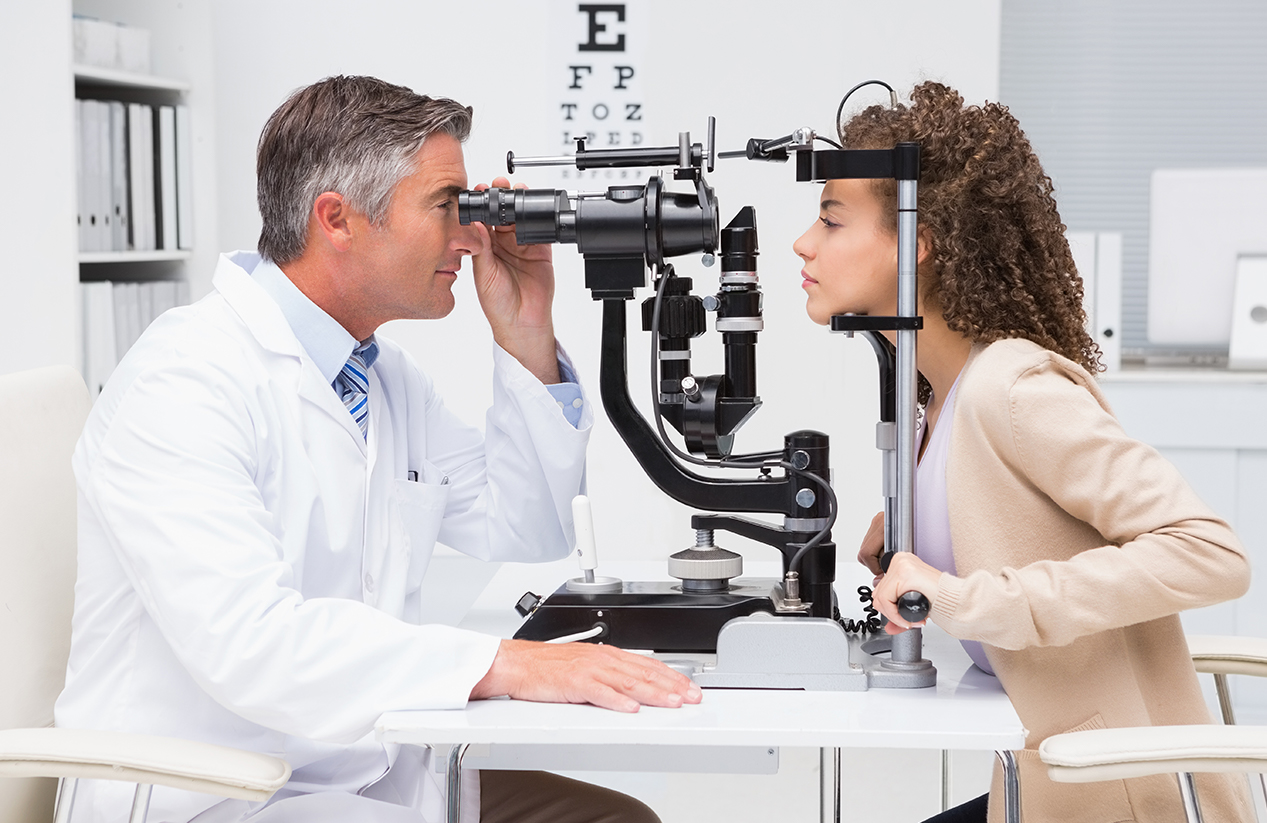
For most adults, experts recommend scheduling a comprehensive eye exam every one to two years. This interval generally works well for individuals with moderate visual demands and stable prescriptions.
However, for those who spend extended hours working on computers, tablets, or smartphones, annual vision checkups may be more appropriate. Prolonged screen exposure increases the risk of digital eye strain, making regular monitoring essential.
Routine exams help ensure that prescription glasses remain accurate and that the eyes are protected from ongoing visual stress. At EFE Glasses, we encourage adults to stay proactive about eye care, especially in today’s screen-heavy environments.
Eye Exams for Children and Teenagers
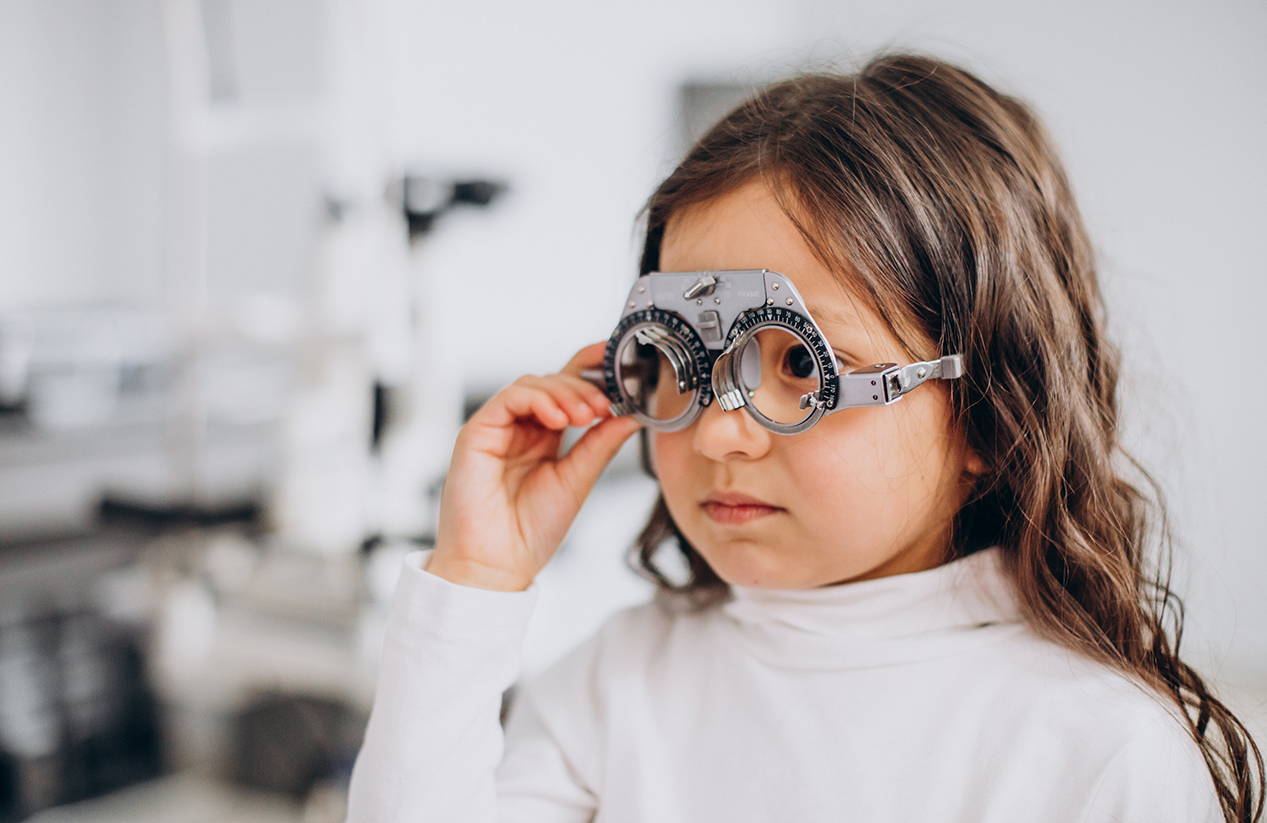
Children and teenagers require more frequent eye exams because their eyes are still developing. Vision changes, particularly the progression of myopia (nearsightedness), can occur quickly during these years.
If a child already wears glasses or shows signs such as squinting, blurred distance vision, or frequent headaches, scheduling an eye exam every six to twelve months is advisable.
Early monitoring allows parents and eye care professionals to intervene when necessary, helping slow myopia progression and support healthy visual habits. Regular eye exams also help ensure that children’s learning environments are visually comfortable and supportive.
Eye Health Monitoring for Adults Over 40
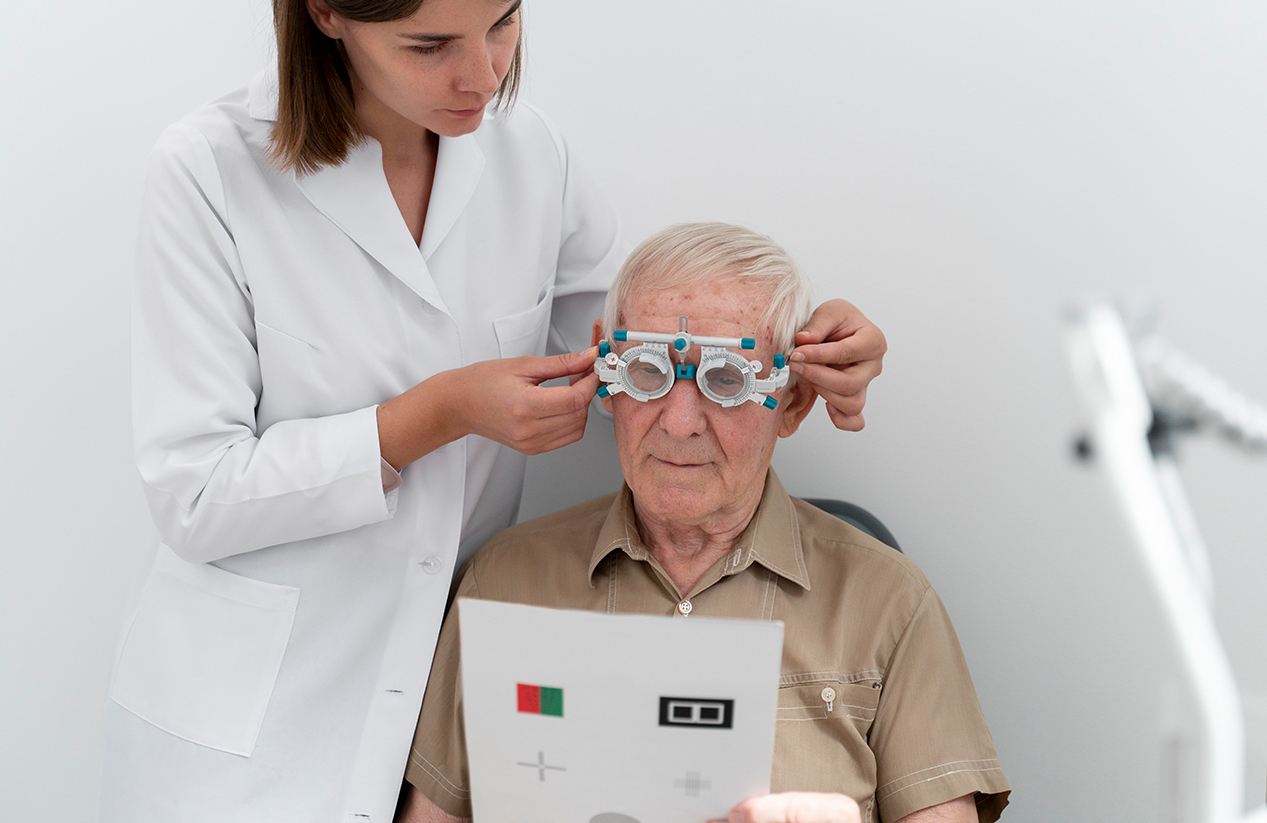
As people age, eye care needs change. After the age of 40, routine eye exams should focus not only on prescription updates but also on early detection of eye diseases.
Conditions such as presbyopia, cataracts, glaucoma, and macular degeneration become more common with age. Even if vision appears stable, regular eye health checkups are essential.
These exams may include:
Intraocular pressure testing
Retinal evaluations
Eye fundus examinations
Many serious eye conditions develop without noticeable symptoms in their early stages. Routine screenings can help detect issues early, allowing for timely treatment and better long-term outcomes.
Situations That Require Immediate Eye Exams
While following a regular eye exam schedule is important, certain symptoms require immediate attention.
Seek professional eye care if you experience:
Sudden vision loss or distortion
Flashes of light or increased floaters
Persistent eye pain or dryness
Unexplained visual discomfort
Prompt eye exams can help prevent further vision deterioration and minimize the impact on daily activities. At EFE Glasses, we emphasize the importance of timely care when unexpected visual changes occur.
Clear Vision and Quality of Life
Regular eye exams are not just about updating your glasses—they play a direct role in improving overall quality of life.
Clear, comfortable vision supports:
Workplace productivity
Academic performance
Safe driving and mobility
Daily comfort and wellbeing
Many individuals realize that symptoms such as headaches, eye fatigue, or difficulty focusing were linked to outdated prescriptions only after receiving updated, properly fitted eyewear.
By combining regular vision checkups with well-designed glasses from EFE Glasses, individuals can significantly enhance visual comfort and daily performance.

Making Eye Exams Part of Routine Health Care
Eye exams should be viewed as a routine part of overall health management rather than a response to problems. Preventive eye care helps maintain long-term vision stability and reduces the risk of developing serious conditions.
Establishing healthy visual habits—such as taking screen breaks, maintaining proper lighting, and wearing appropriate eyewear—works best when supported by regular professional evaluations.
At EFE Glasses, we encourage everyone to adopt a proactive approach to eye care. Consistent monitoring, accurate prescriptions, and thoughtfully designed eyewear together create a foundation for lasting visual clarity.
EFE Glasses Recommendation: Eye Exam Frequency by Age
For individuals without specific eye conditions, general guidelines include:
Adults: every 1–2 years
Children and teens: every 6–12 months
Adults over 40: follow professional recommendations for more frequent exams
By maintaining regular routine eye exams, wearing properly prescribed glasses, and practicing healthy visual habits, it is possible to protect your eyesight and enjoy clearer, more comfortable vision throughout life.

