Eyeglasses Guides
Full-Rim, Semi-Rimless, and Rimless Glasses: How Frame Structure Changes the Look


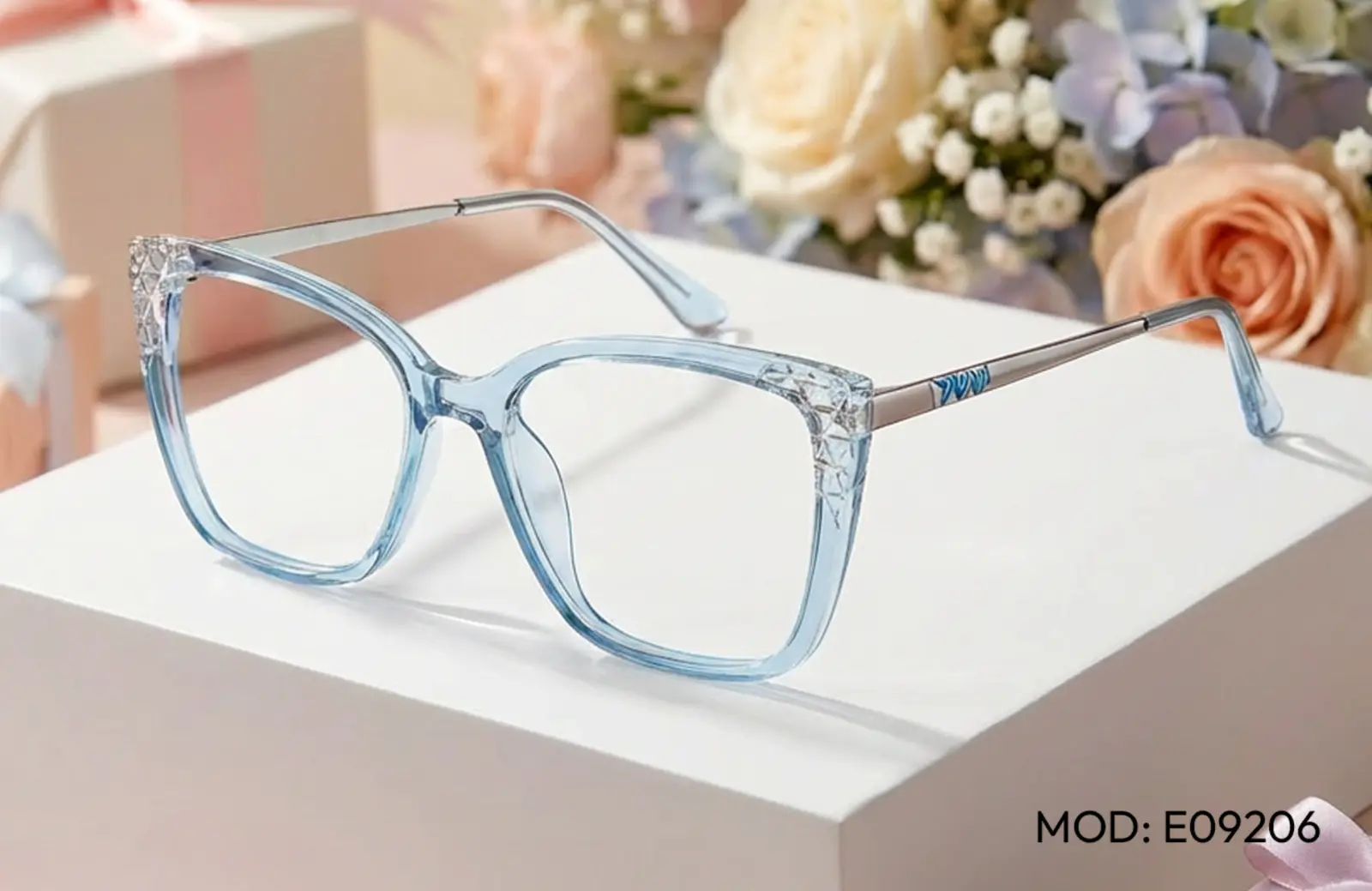
While frame geometry plays a significant role in eyewear aesthetics, frame structure defines the fundamental character and weight of a pair. Rimless, semi-rimless, and full-rim glasses each present a distinct visual balance on the face. Selecting the ideal structure depends on your desired level of frame presence, prescription thickness, lens edge exposure, and everyday personal style.
How Frame Structure Changes Style and Lens Appearance
The primary distinction among full-rim, semi-rimless, and rimless glasses lies in how much frame material encases the optical lenses.
Frame Structure | Structural Design | Facial Presence | Lens Edge Exposure | Aesthetic Character | Best Suited For |
|---|---|---|---|---|---|
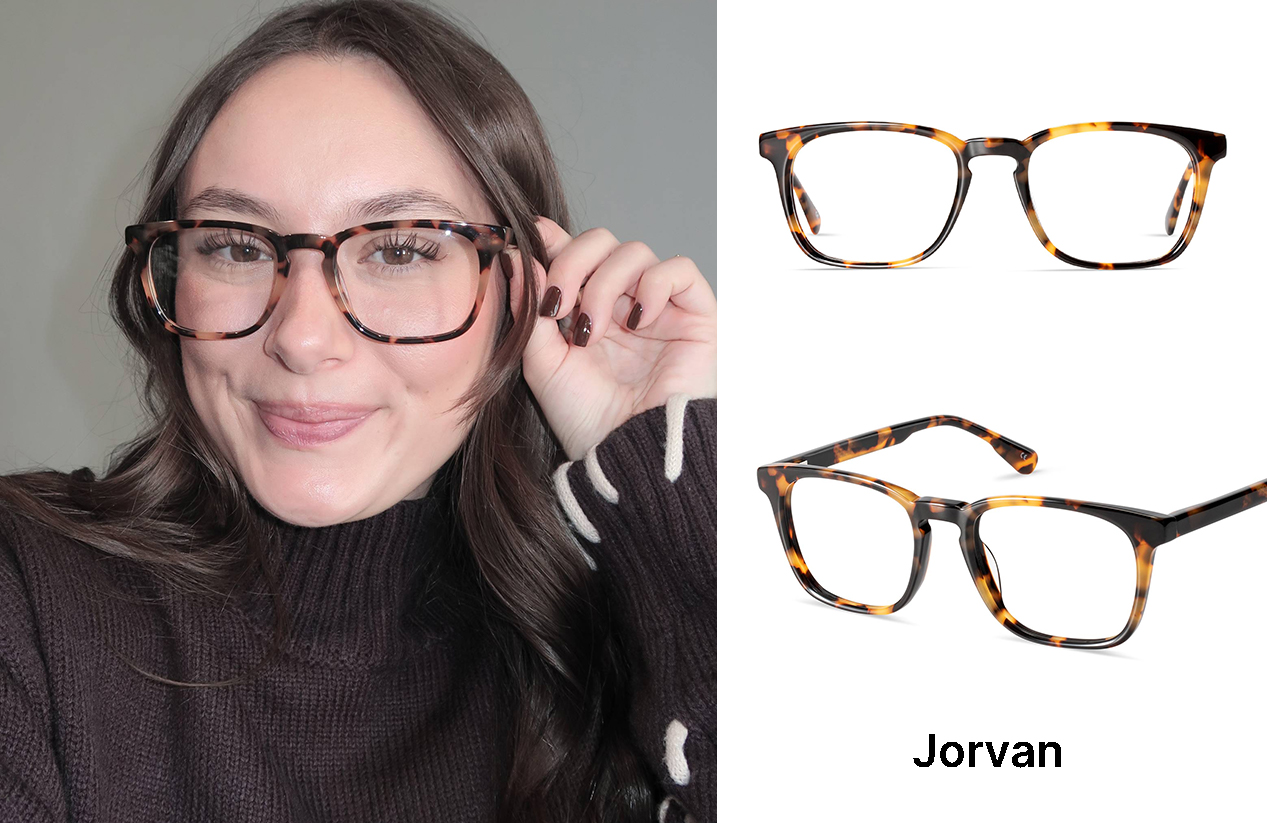
Full-Rim Glasses | Solid frame material fully surrounds both lenses | High visibility and bold outline | Completely concealed within frame grooves | Defined, architectural, classic, or bold | Strong personal style statements and higher prescriptions |
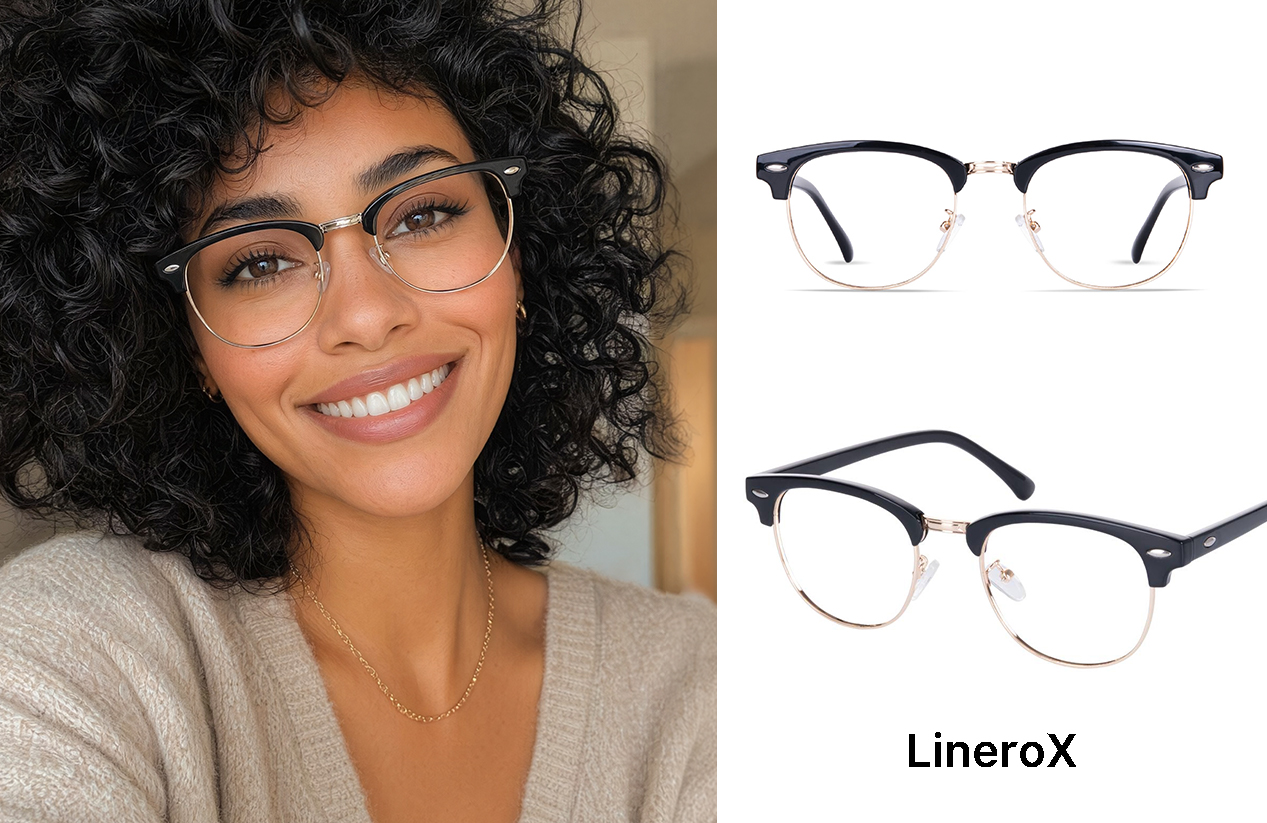
Semi-Rimless Glasses | Top browline is framed while lower rim is secured by nylon wire | Balanced and moderate | Partially visible along the lower perimeter | Polished, intellectual, lightweight, professional | Workplaces, reading, and balanced facial definition |
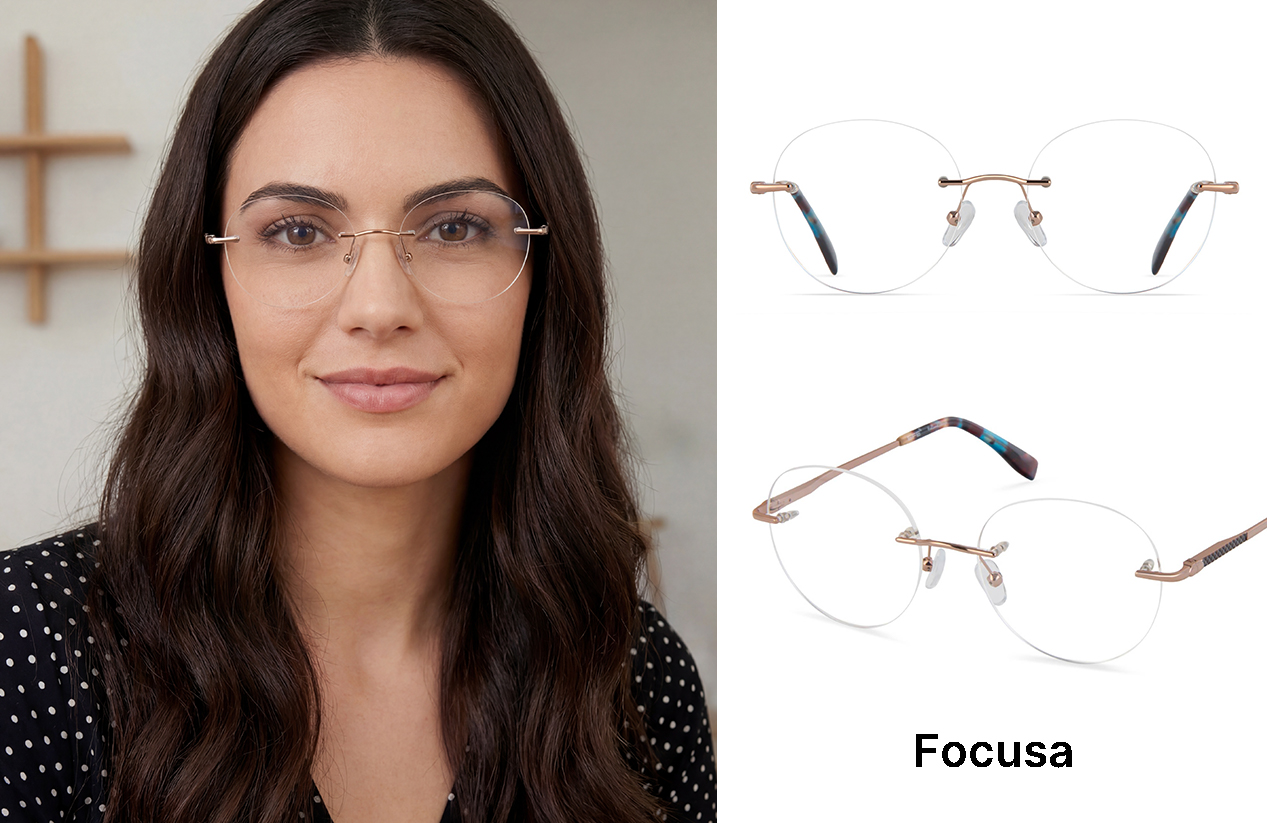
Rimless Glasses | Bridge and temple arms mount directly through drilled lenses | Subtle and nearly invisible | Fully exposed polished or faceted edges | Minimalist, open, ultra-lightweight | Unobstructed vision and highlighting natural facial features |
Full-rim designs make eyewear an intentional, prominent accessory within your wardrobe. Semi-rimless frames maintain upper browline structure while leaving the lower field of view open and airy. By contrast, rimless glasses minimize the frame silhouette entirely, ensuring that facial expressions, eye makeup, and facial contours remain front and center.
Lens geometry further influences this visual dynamic: an angular, geometric rimless lens provides contemporary architectural flair, whereas a slim full-rim titanium wire frame can look remarkably understated.

How Frame Structure Modulates Facial Presence
Facial presence refers to how prominently your eyewear commands attention in social interactions. Full-rim silhouettes create defined borders, semi-rimless frames establish structured balance, and rimless designs deliver seamless, minimalist integration.
Full-rim glasses: Excel when you want your frames to serve as a signature style element. Rich tortoiseshell, matte black, crystal acetate, and vibrant hues each project unique aesthetic moods.
Semi-rimless glasses: Accentuate the browline while keeping lower facial contours open, making them exceptionally versatile for corporate environments and creative professional settings.
Rimless glasses: Keep the eye area unobstructed, making them ideal for individuals who prefer their eyewear to blend seamlessly with their natural appearance.
No single frame structure is inherently more modern than another; a frame appears contemporary when its proportions, materials, and finish complement the wearer's facial features and personal style.
Lens Edge Visibility, Prescription Strength, and Frame Proportions
The openness of a frame structure directly dictates how visible the lens perimeter will be. Full-rim frames encase the lens bevel completely. Semi-rimless designs leave the lower edge exposed, requiring grooved lens edging. Rimless mountings leave the entire lens boundary visible, making lens edge finishing an integral part of the overall design.
For individuals with stronger optical prescriptions, frame dimensions and lens refractive index require careful coordination. Higher minus prescriptions produce thicker outer lens edges, which become more noticeable in open-edge rimless or semi-rimless configurations. Selecting compact lens diameters and high-index materials keeps lens thickness streamlined and visually balanced.
Clinical data from the American Academy of Ophthalmology EyeWiki on lens material properties details how optical materials differ in refractive index, Abbe value, and tensile impact resistance. In practical eyewear selection, choosing high-index polycarbonate, MR-8, or 1.67 high-index polymers provides the required structural durability for drill-mount rimless and grooved semi-rimless frames.
When reviewing prescription eyeglass options, examine the supported prescription range (RX range), pupillary distance tolerances, lens index upgrades, and precise frame measurements to ensure structural and visual harmony.
Comfort and Daily Wear Considerations
While rim structure impacts weight distribution, long-term wearing comfort depends on bridge width, temple geometry, nose pad materials, and overall frame balance.
Full-rim frames: Offer rigid structural integrity and evenly distributed lens retention, making them durable for active daily routines.
Semi-rimless frames: Reduce lower-rim weight while providing a secure upper chassis, delivering all-day ergonomic comfort for reading and computer work.
Rimless mountings: Provide an ultra-lightweight wearing experience by eliminating rim mass, reducing pressure across the nasal bridge.
Prescription lens mass: Heavier corrective lenses shift the center of gravity forward; pairing high-index lenses with balanced frame temples prevents unwanted slippage.
Bridge and temple ergonomics: Adjustable silicone nose pads and flexible temple tips allow fine-tuned adjustments that outweigh frame style alone in ensuring lasting comfort.
How to Evaluate Frame Structures When Shopping Online
High-resolution product imagery and detailed technical specifications enable you to select the right frame structure with confidence.
Evaluate the frontal silhouette to assess how the rim thickness frames your brow and cheekbones, then inspect side-profile views to evaluate temple thickness and hinge durability. Utilize virtual try-on software to see how full-rim, semi-rimless, and rimless designs interact with your face shape.
Next, cross-reference millimeter dimensions—including lens width, bridge width, frame width, and temple length—with a comfortable pair in your current eyewear collection to verify proper scaling.
Finally, review your prescription specifics using this guide to buying spectacles online to confirm that your optical correction aligns with the frame's mounting capabilities.
Explore EFE's comprehensive catalog of prescription eyeglasses frames to compare diverse materials, rim styles, and silhouettes.
Choosing the Right Frame Structure for Your Daily Routine
Each frame structure delivers distinct functional and stylistic benefits. Full-rim frames provide rich definition and conceal lens thickness. Semi-rimless designs combine polished professionalism with an airy lower field of view. Rimless mountings deliver featherlight comfort and an unobstructed, minimalist aesthetic. Aligning frame structure with your optical prescription, facial proportions, and lifestyle ensures clear vision and effortless personal style.
Common Questions About Glasses Frame Structures
Q1. Are Rimless Glasses Still in Style?
Yes. Modern rimless glasses remain a timeless eyewear choice, particularly when styled with contemporary geometric lens profiles and sleek titanium temples.
Q2. Are Semi-Rimless Glasses Good for Everyday Office Wear?
Yes. Classic semi-rimless browline glasses are exceptionally well suited for professional and office settings because they provide structured facial definition while leaving the lower field of view open for reading and screen navigation.
Q3. Are Full-Rim Glasses Better for High Prescriptions?
Yes. Full-rim eyeglasses provide the most effective structural support for higher prescriptions because the opaque rim completely conceals outer lens edge thickness.
Q4. Do Rimless Glasses Make Lens Edges More Noticeable?
Because rimless mountings lack an outer frame, the polished bevel of the lens is completely exposed. Pairing rimless designs with high-index lenses and moderate lens dimensions keeps the finished edges sleek and refined.
Q5. Which Frame Structure Looks the Most Minimalist on Camera?
Rimless glasses offer the most minimalist appearance because they eliminate visual frame boundaries around the eyes, ensuring maximum eye contact during video conferences and in-person conversations.