Eyeglasses Guides
Full-Rim vs Semi-Rim vs Rimless Glasses: Which Should You Choose?


When comparing full-rim vs semi-rim vs rimless glasses, the best option depends on your prescription strength, comfort preferences, lifestyle, and personal style. Full-rim frames offer maximum durability and support, semi-rimless frames deliver a lightweight and professional appearance, while rimless glasses create a clean, minimalist look that feels almost invisible.
Your eyewear is more than just vision correction—it reflects your personality and daily needs. The right pair should feel comfortable, complement your face shape, and fit seamlessly into your routine. With so many frame styles available today, choosing between full-rim, semi-rim, and rimless glasses can feel overwhelming. This guide breaks down the key differences to help you make a confident and informed decision—whether you're shopping your first pair or upgrading your current frames at EFE Glasses.
What Are Full-Rim Glasses?
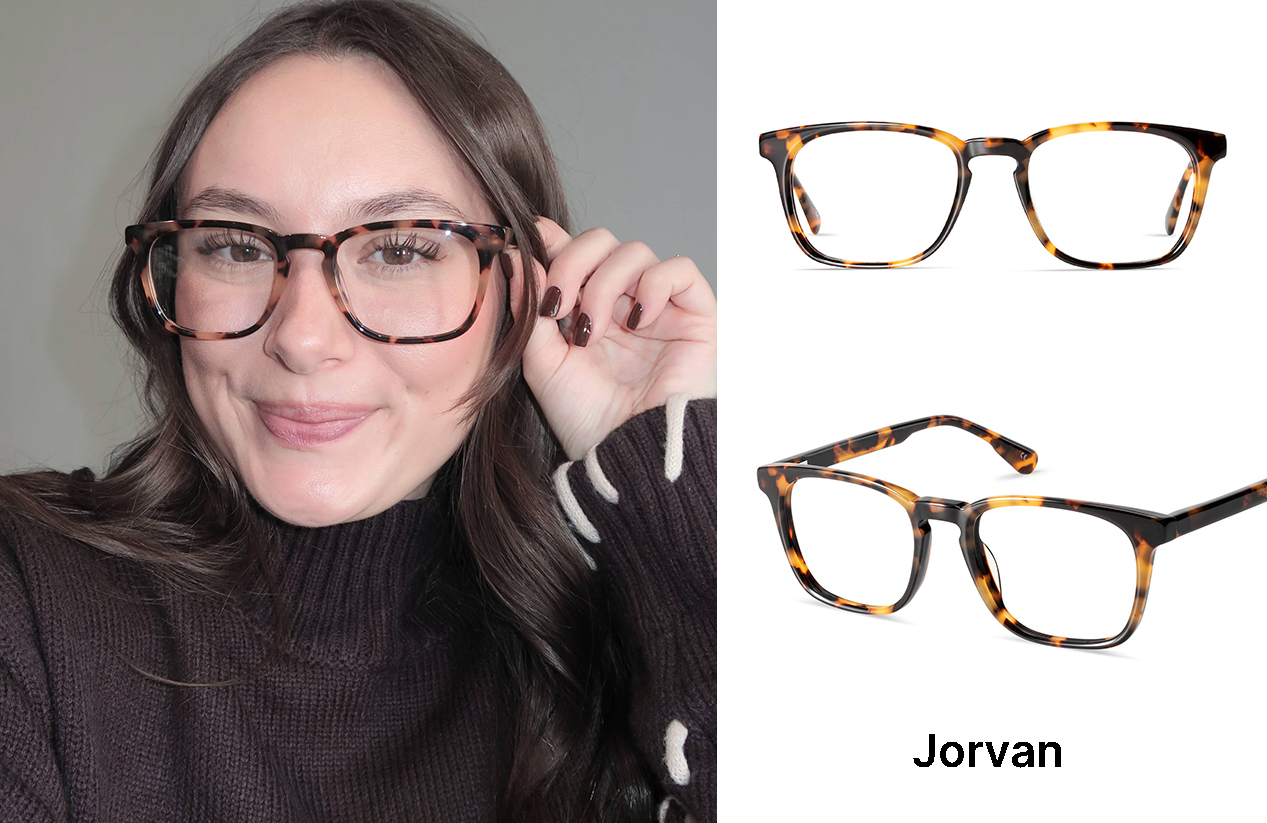
Full-rim glasses are frames that completely enclose the lenses. This structure provides strong support and protection, making them one of the most durable types of eyewear.
They are typically made from materials like acetate, stainless steel, titanium, TR90, or eco-friendly plastics. Full-rim frames come in a wide variety of styles—from bold oversized shapes to sleek minimalist designs—making them one of the most versatile options in modern eyewear.
Benefits of Full-Rim Glasses:
Strong and durable frame structure
Ideal for thick lenses or strong prescriptions
Wide variety of styles, colors, and materials
Better protection for lens edges
Best For:
High prescription lenses
Active lifestyles
People who want a bold or defined look
Style Tip: Oversized or angular full-rim frames add structure to softer facial features, while thinner designs offer a clean everyday aesthetic.
Why Full-Rim Frames Remain Popular
Full-rim glasses are often recommended by opticians because they provide full lens support, especially for people with stronger prescriptions. They also help conceal thick lens edges, improving overall appearance.
At EFE Glasses, full-rim designs are crafted to balance durability with modern style—ensuring both function and fashion are covered.
What Are Semi-Rimless Glasses?
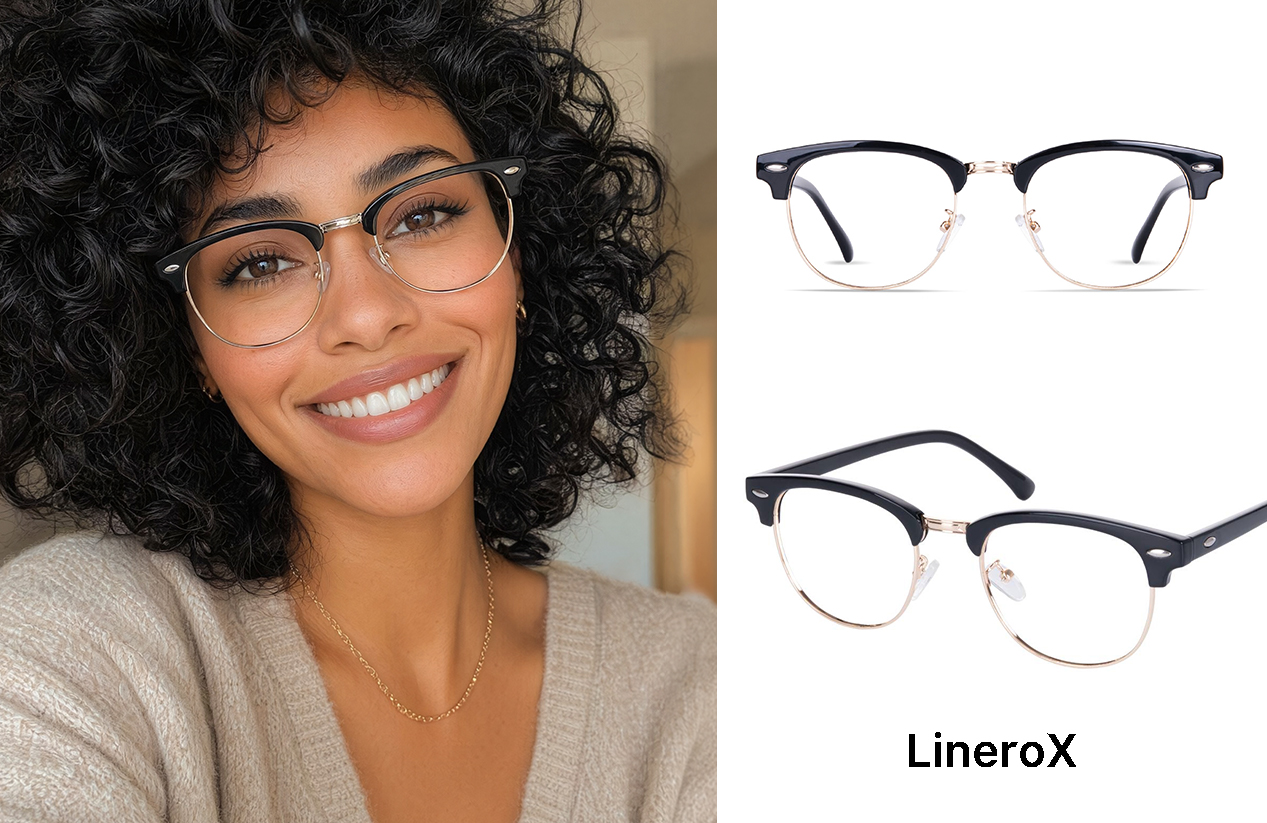
Semi-rimless (or half-rim) glasses feature a frame that only partially surrounds the lens, usually along the top. The lower part of the lens is secured with a thin nylon wire, creating a lighter and more open design.
These frames are commonly made from metal or titanium, offering both strength and reduced weight.
Benefits:
Lightweight and comfortable
Sleek, professional look
Less visual obstruction
Ideal for long-term wear
Best For:
Office professionals
Everyday wearers
Those who prefer subtle, refined style
Style Tip: Semi-rimless frames pair well with clean, modern outfits and create a polished, intelligent appearance without looking too bold.
Full-Rim vs Semi-Rim Glasses: Key Differences
Full-rim: Stronger, heavier, more protective
Semi-rim: Lighter, more minimal, slightly less durable
Semi-rim frames are perfect if you want a balance between structure and subtlety.
Are Semi-Rimless Glasses in Style?
Yes—semi-rimless glasses are very much in style. Their clean lines and lightweight feel align perfectly with modern eyewear trends that favor simplicity and comfort.
Rectangular and geometric half-rim frames are especially popular today, offering a contemporary look that works well in both professional and casual settings.
What Are Rimless Glasses?
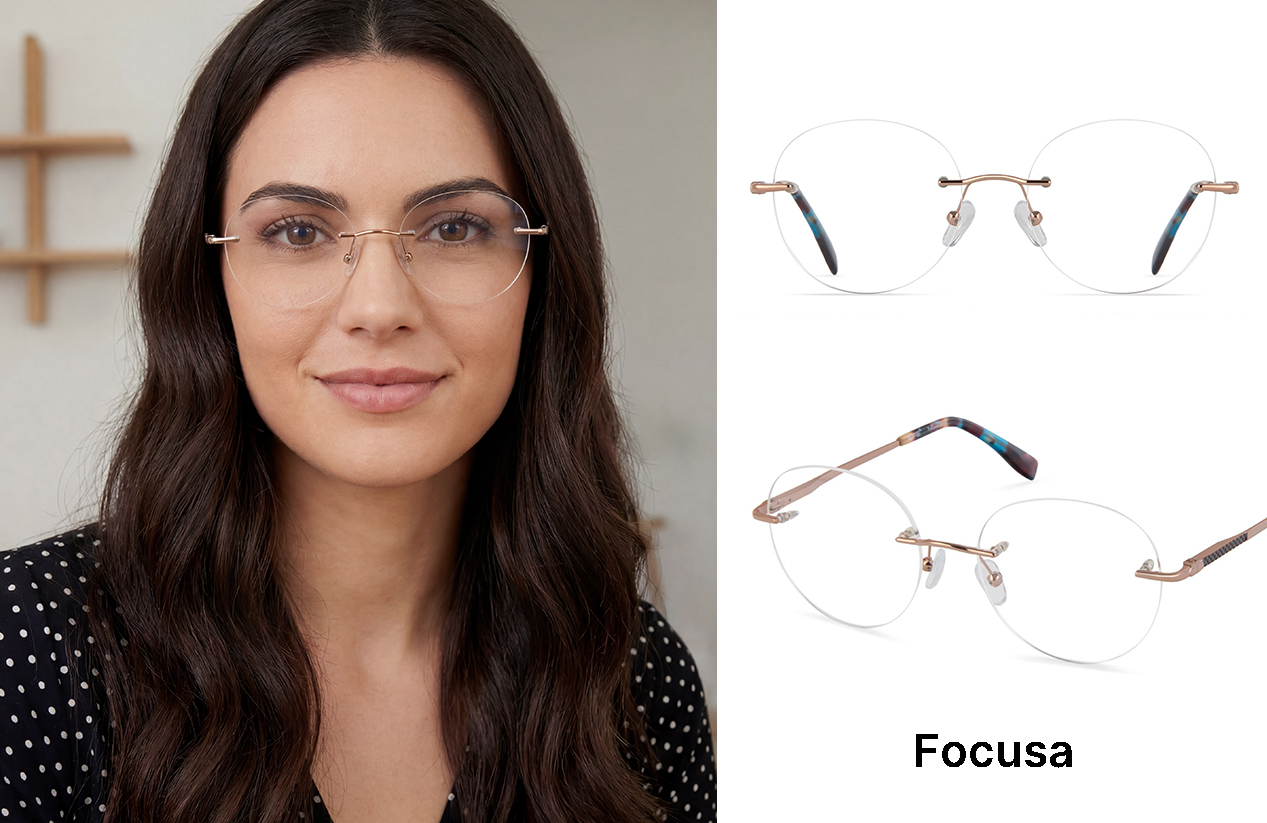
Rimless glasses remove the frame entirely. Instead, the lenses are directly mounted to the bridge and temples, creating a barely-there appearance.
This design is often paired with lightweight metals like titanium to ensure durability without bulk.
Benefits of Rimless Glasses:
Ultra-lightweight
Minimal visual obstruction
Clean, sophisticated look
Great for professional environments
Best For:
Minimalist style lovers
Lighter prescriptions
People who want facial features to stand out
Rimless Glasses Pros and Cons
Pros:
Extremely lightweight
Nearly invisible on the face
Elegant and understated
Cons:
Less protection for lenses
Not ideal for thick prescriptions
Lenses may feel more exposed
Because of this, rimless frames are typically recommended for people with lighter prescriptions.
Are Rimless Glasses Trending?
Rimless glasses are gaining popularity thanks to the rise of minimalist fashion. Their clean, refined look makes them ideal for everyday wear, especially in professional settings.
Modern rimless designs often include:
Slim titanium bridges
Subtle decorative temples
Soft oval or rectangular lens shapes
At EFE Glasses, rimless styles are designed to maintain durability while delivering that effortless, lightweight feel.

How to Choose Between Full-Rim, Semi-Rim, and Rimless Glasses
Choosing the right frame type comes down to three main factors:
1. Face Shape
Round face: Angular full-rim frames add definition
Square face: Rounded or rimless styles soften sharp features
Oval face: Most styles work well
Heart-shaped face: Rimless or thin semi-rim frames balance proportions
2. Lifestyle
Full-rim: Best for active lifestyles and bold style
Semi-rim: Ideal for work and everyday comfort
Rimless: Great for lightweight, low-profile wear
3. Lens Thickness
Strong prescriptions: Full-rim frames are best
Moderate prescriptions: Semi-rim frames work well
Light prescriptions: Rimless frames are suitable
Final Thoughts: Finding Your Perfect Frames
There’s no single “best” choice when comparing full-rim vs semi-rim vs rimless glasses—it all depends on your needs.
Full-rim: Durable, bold, and supportive
Semi-rim: Lightweight and professional
Rimless: Minimalist and elegant
The right pair should feel natural, enhance your style, and support your vision throughout the day. At EFE Glasses, you’ll find a wide range of frame styles designed to suit different face shapes, prescriptions, and lifestyles—making it easier to discover the perfect fit.
FAQs
What is the main difference between full-rim, semi-rim, and rimless glasses?
It’s all about how the frame supports the lens. Full-rim surrounds it completely, semi-rim supports part of it, and rimless has no surrounding frame.
Are semi-rimless glasses still in style?
Yes, they remain popular due to their lightweight and modern look.
Which frames are best for thick lenses?
Full-rim glasses are best because they provide full support and hide thick edges.
Are rimless glasses durable?
They can be durable with high-quality materials, but they are generally less robust than full-rim frames.
How do I choose the right frame?
Consider your prescription, comfort needs, lifestyle, and personal style—and try different options to see what feels best.