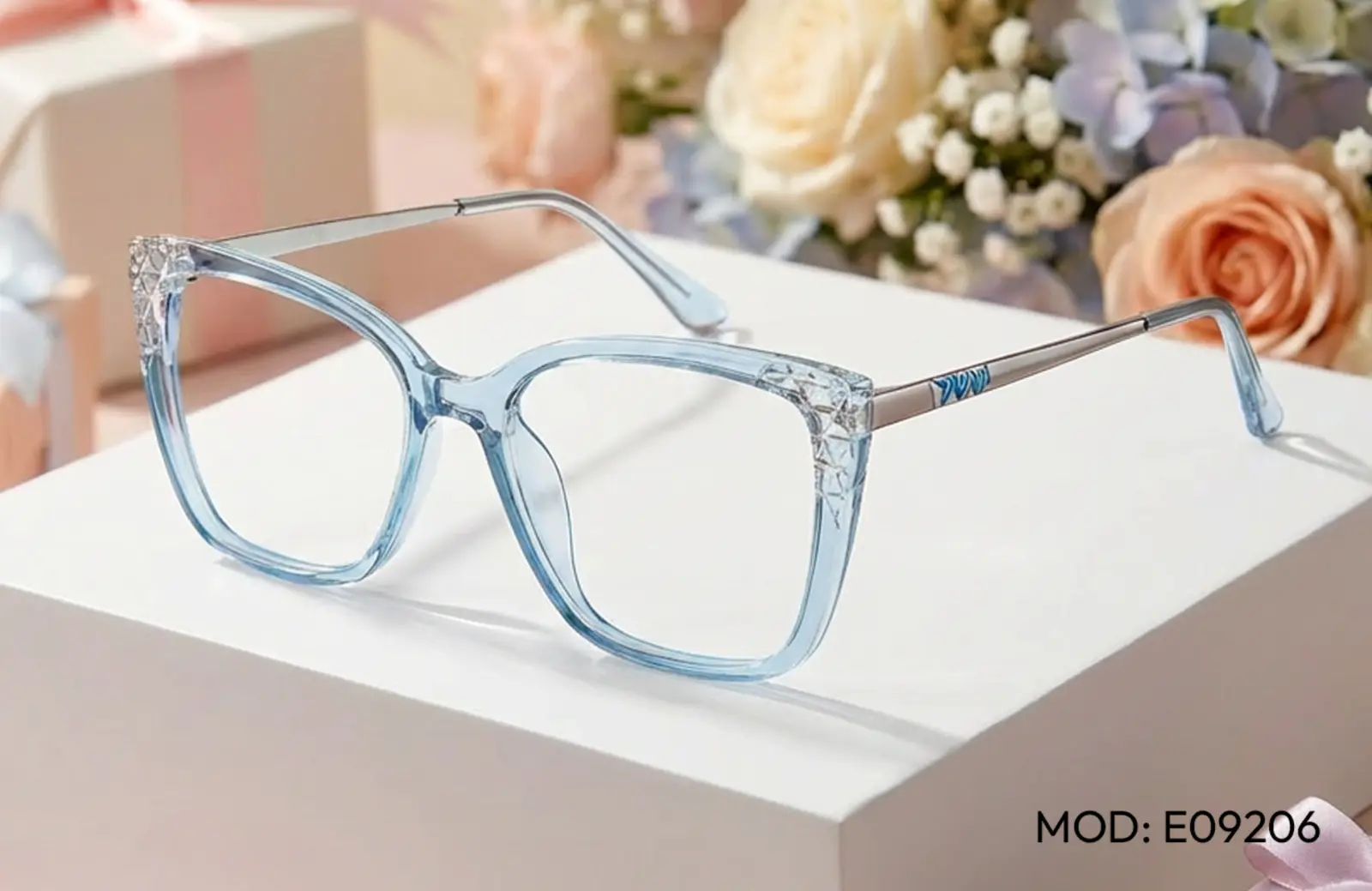
Kids do not just wear glasses while sitting still. They run, read, climb, learn, play, and sometimes forget their glasses are even on their face. That is why choosing glasses for kids is different from choosing frames for adults. The best pair should feel light, stay in place, match the child's prescription needs, and handle daily movement without making vision care feel like a struggle.
Quick Answer
To choose durable and comfortable glasses for kids, parents should check:
Frame sizes that match the child's face width, bridge, and temple length
Lightweight materials that feel comfortable for all-day wear
A secure nose bridge that helps reduce slipping
Gentle temple arms that sit comfortably behind the ears
Full-rim frames that help hold lenses steadily
A style the child feels happy to wear
Why Active Kids Need Durable Glasses for Kids
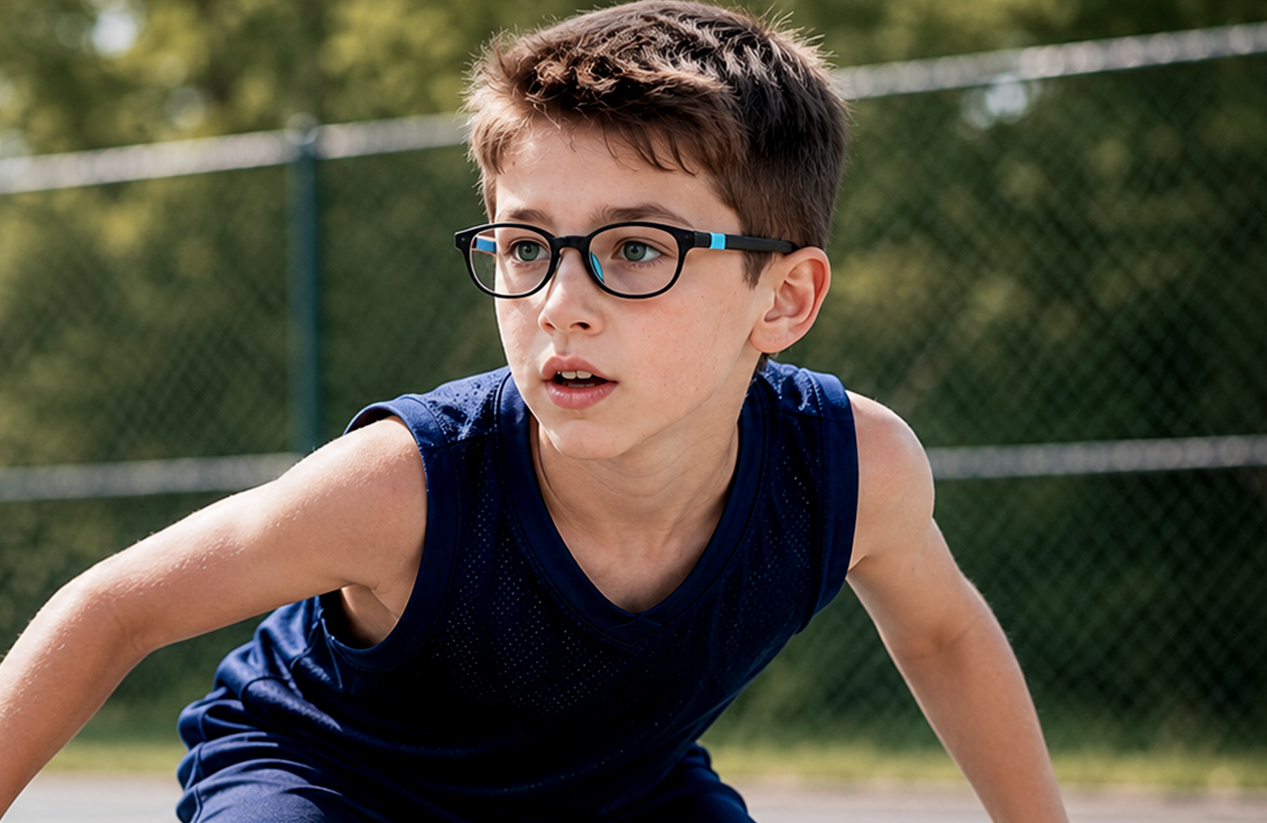
Active children need glasses that can move with them through school, play, reading, and outdoor time. Good glasses for kids should feel light on the face, stay steady during movement, and support clear vision without becoming a daily distraction.
Durability is not only about strength. For kids, it also means comfort, flexibility, and a fit that encourages regular wear. A pair that feels secure and easy to wear can help children focus more on learning and playing.
Parents can look for durable kids glasses with:
Lightweight frames for all-day comfort
A secure bridge fit to reduce slipping
Smooth temple arms that sit gently around the ears
Full-rim designs that hold lenses steadily
Flexible details that support daily movement
Lens coatings that help with everyday handling
Children may not always explain fit issues clearly. If a child keeps pushing the frame up, taking the glasses off often, or avoiding them during play, the frame size or fit may need a closer look.

How to Choose the Right Frame Sizes for Kids Glasses Online
When buying kids glasses online, frame size is one of the most useful details to check first. Frame sizes usually include lens width, bridge width, and temple length. These numbers help parents compare new glasses with a pair the child already wears comfortably.
Here are the core steps parents can follow:
Step 1: Check the Current Pair First
If your child already has glasses that fit well, look inside the temple arm for the size numbers. These measurements can be a helpful starting point when choosing new glasses for kids online.
Step 2: Match the Frame Width to the Child's Face
The frame should not look much wider than the face or press into the temples. A balanced frame helps the glasses sit naturally and stay more stable during movement.
Step 3: Look at the Bridge Width
The bridge is the part that sits over the nose. If it is too wide, the glasses may slide down. If it is too narrow, the frame may feel uncomfortable after longer wear.
Step 4: Check the Temple Length
Temple arms should rest gently around the ears. They should help hold the frame in place without squeezing the side of the head.
Step 5: Consider Prescription Needs
For spectacles for myopia, also called nearsightedness glasses, frame size can affect lens comfort and appearance. Smaller or moderate lens shapes may work better for some stronger prescriptions, depending on the child's eye prescription.
A good fit should let the child look forward, read, move, and play without constantly adjusting the frame.
Best Materials for Lightweight Glasses for Kids
Frame material affects how children's glasses feel during daily wear. Some materials offer a light feel, while others add flexibility or extra structure. The best choice depends on the child's age, activity level, and comfort needs.
The table below shows common material and design features found in kids glasses and how they support durability and comfort.
Material or Feature | What It Means | Why It Helps Kids |
|---|---|---|
Plastic Frames | A lightweight frame material often used for children's eyewear | Helps reduce pressure on the nose and ears |
Flexible Design Features | Frame details designed to support movement and daily wear | Helps frames return to shape after everyday bumps and movement |
Silicone Details | Soft material often used in temple or comfort areas | Adds a gentler feel against the skin |
Small metal parts that help the temples open and close | Help temples flex outward and reduce pressure during movement | |
Full-Rim Frames | Frames that fully surround the lenses | Helps hold lenses securely in place |
A lens coating that helps reduce minor surface scratches during daily use | Supports clearer lenses during daily handling |
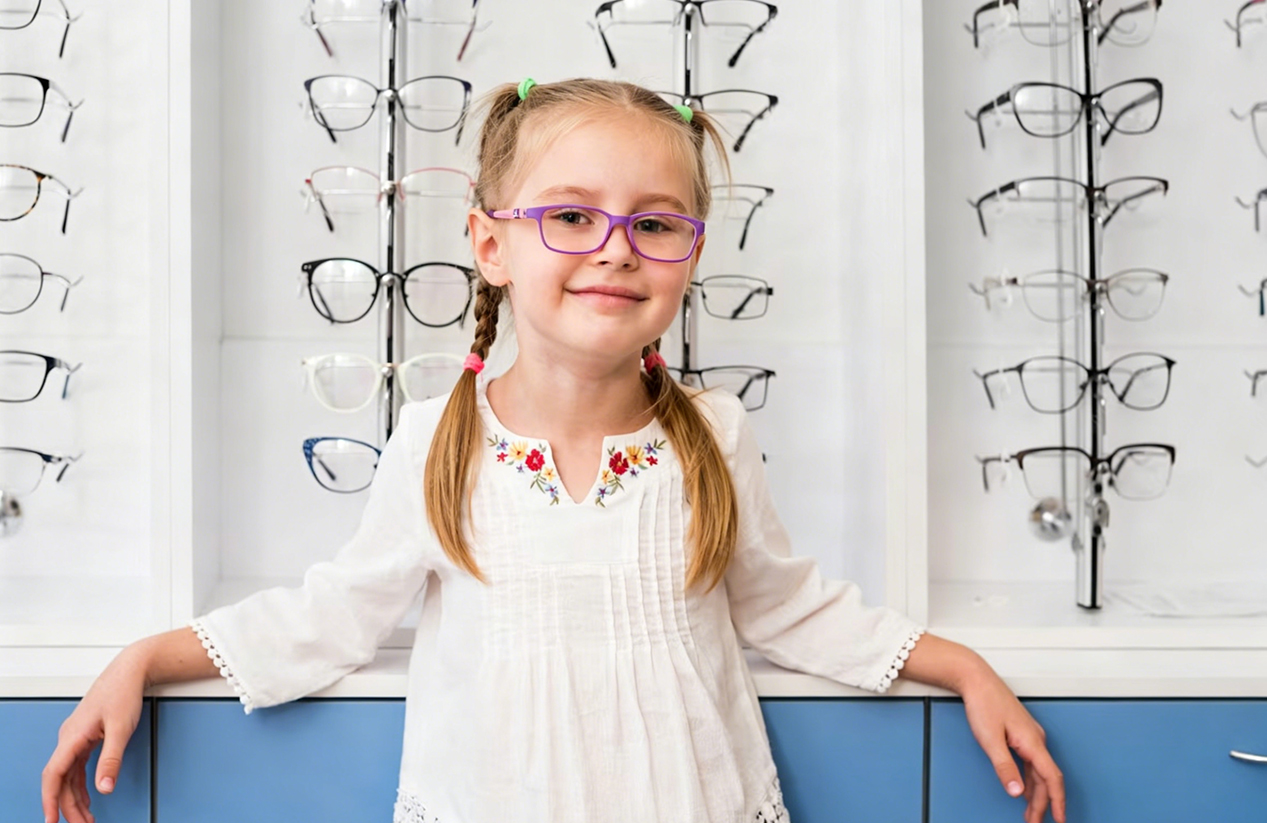
A material does not have to be heavy to be durable. For active children, lightweight frames with secure construction often work best because they support movement without adding extra pressure.
Style still matters too. Kids are more likely to wear glasses they like, so color, shape, and comfort should work together.
How Nose Bridge and Temple Fit Affect Kids Glasses
The nose bridge and temple arms determine how stable kids glasses feel during the day. Even when the frame size is correct, these two areas can affect slipping, pressure, and comfort.
The nose bridge should sit evenly on the child's nose. A good bridge fit helps keep the lenses in the right position, which is important for clear vision. If the bridge fits too loosely, the glasses may slide during reading or play.
Temple arms should sit gently along the sides of the head and behind the ears. They should help the frame stay steady without feeling tight. For active children, a secure temple fit can make glasses feel more natural during movement.
Parents can do a quick fit check:
The glasses stay level on the face.
The child does not push them up often.
The frame does not rest heavily on the cheeks.
The temples do not leave deep marks.
The lenses sit in front of the eyes, not too high or too low.
A comfortable fit helps children wear their glasses more consistently. That matters just as much as the frame style.
How to Help Kids Keep Their Glasses Comfortable Every Day
Even durable glasses for kids need simple daily care. Good habits can help frames stay comfortable and lenses stay clear for school, reading, play, and family routines.
Teach children to use both hands when putting on or removing glasses. This helps the frame stay balanced. A case is also useful when the glasses are not being worn, especially during sports, sleep, or travel.
A simple care routine can include:
Clean lenses with a microfiber cloth.
Keep glasses in a case when not in use.
Avoid placing glasses lens-side down.
Check the temples and bridge for comfort regularly.
Ask the child if the frame feels loose or tight.
As children grow, their fit needs can change. Parents can check frame sizes from time to time, especially if the child starts adjusting the glasses more often or says the frame feels different.
For kids glasses online, keeping the original frame measurements can make the next purchase easier. It gives parents a clearer reference point when comparing new styles, shapes, and sizes.
Find Glasses for Kids That Fit Real Life
Choosing glasses for kids works best when comfort, durability, frame sizes, and daily habits come together. Active children need frames that feel good, stay steady, and support clear vision through school, play, and family routines. When buying kids glasses online, compare measurements, check material details, and think about how your child moves each day. A well-fitted pair can make wearing glasses feel simple, natural, and confidence-building.
Browse EFE's kids glasses collection to compare frame sizes, materials, and styles that suit active children.
FAQs
Q1. What Glasses Are Best for Myopia in Kids?
For many children with myopia, lightweight full-rim frames can be a practical choice. They hold prescription lenses securely and keep the correct lens position throughout the day. A stable bridge and comfortable temple arms also help myopia glasses stay in place during school and play. EFE's kids glasses include a range of frame sizes and styles suited to different prescription needs.
Q2. What Prescription Lenses Are Used for Myopia?
Children with myopia usually wear single-vision corrective lenses. These lenses are made to match the child's prescription and help bring distant objects into focus. When buying kids glasses online, parents can enter the prescription details during checkout so the lenses are made to the correct specifications.
Q3. What Frame Sizes Work Best for Active Kids?
Active kids usually need frame sizes that match their face width, bridge fit, and temple length. The glasses should sit level, stay comfortable, and avoid sliding during normal movement. Parents can compare new kids glasses online with a pair the child already wears comfortably.
Q4. How Often Should Kids Get New Glasses?
Children's prescriptions can change more frequently than those of adults, especially during school-age years. Most eye care professionals recommend an annual check-up to monitor any changes. When a new prescription is confirmed, getting a fresh pair of kids glasses helps the child see clearly. Buying kids glasses online at affordable price points also makes it easy to keep a backup pair on hand.