
Learning Center
The Best Foods for Eye Health and Vision: What to Eat for Healthy Eyes


Maintaining clear vision involves more than scheduling regular eye exams. Your daily diet plays an essential role in supporting long-term eye health and vision. Many scientific studies show that certain vitamins, minerals, and antioxidants can help protect the retina, reduce oxidative stress, and support healthy visual function.
If you're trying to build healthier habits or simply want to protect your eyesight for the future, focusing on foods for eye health is a great place to start. Nutrient-rich foods can help strengthen eye tissues, support retinal health, and lower the risk of age-related eye conditions such as cataracts and macular degeneration.
At EFE Glasses, we believe that protecting your vision involves a combination of healthy lifestyle choices, proper eye care, and high-quality eyewear. Below, we explore some of the best foods for eye health and simple ways to include them in your daily meals.
Why Nutrition Matters for Eye Health
Your eyes depend on a wide range of nutrients to function properly. Essential vitamins like vitamin A, vitamin C, and vitamin E, along with minerals such as zinc and antioxidants like lutein, zeaxanthin, and omega-3 fatty acids, play important roles in maintaining healthy vision.
A balanced diet for eye health can help:
Reduce the risk of age-related macular degeneration (AMD)
Support tear production and relieve dry eye symptoms
Strengthen blood vessels in the retina
Improve night vision
Reduce inflammation and oxidative stress
While nutrition alone cannot prevent every eye condition, maintaining a healthy diet provides a strong foundation for long-term vision care—especially when combined with regular eye exams and protective eyewear from trusted brands like EFE Glasses.
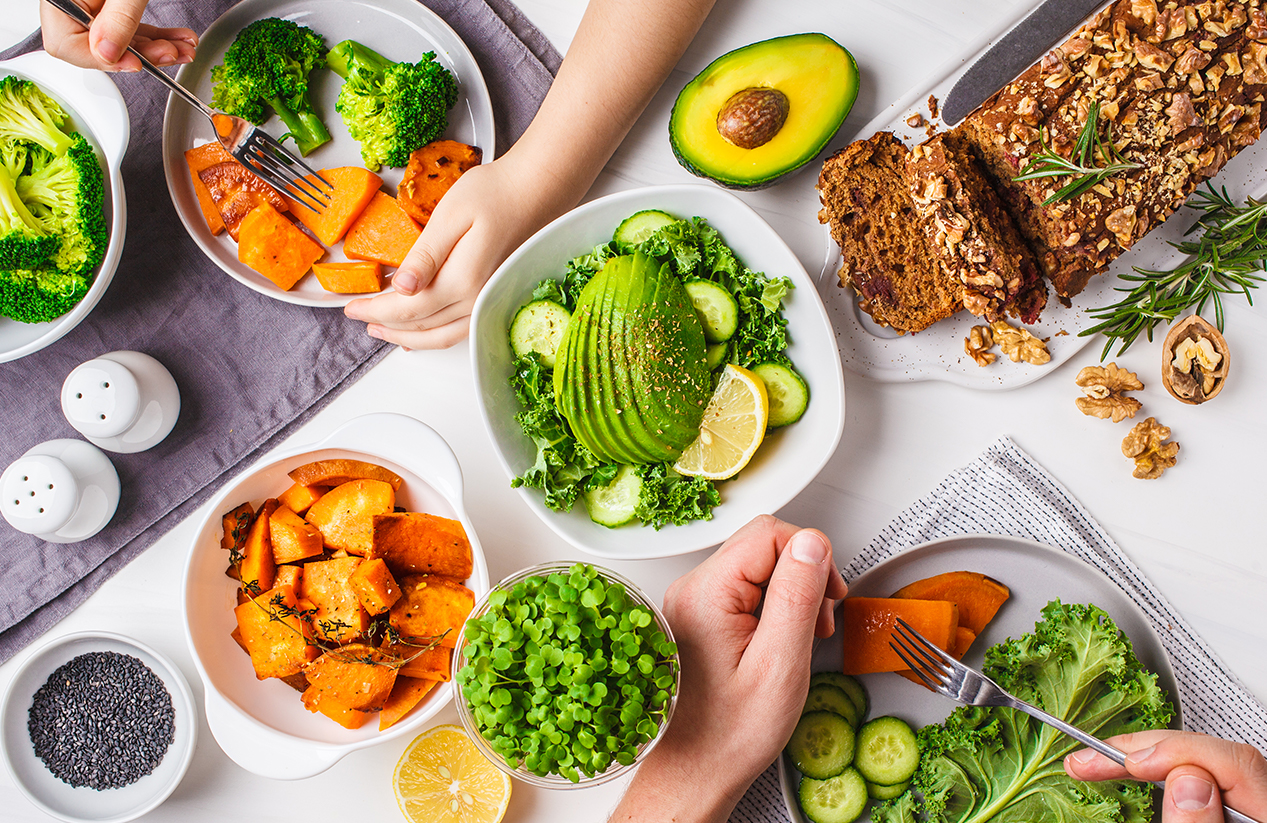
The Best Foods for Eye Health
Below are some of the most important nutrients for eyesight, where to find them, and how to easily incorporate them into your daily routine.
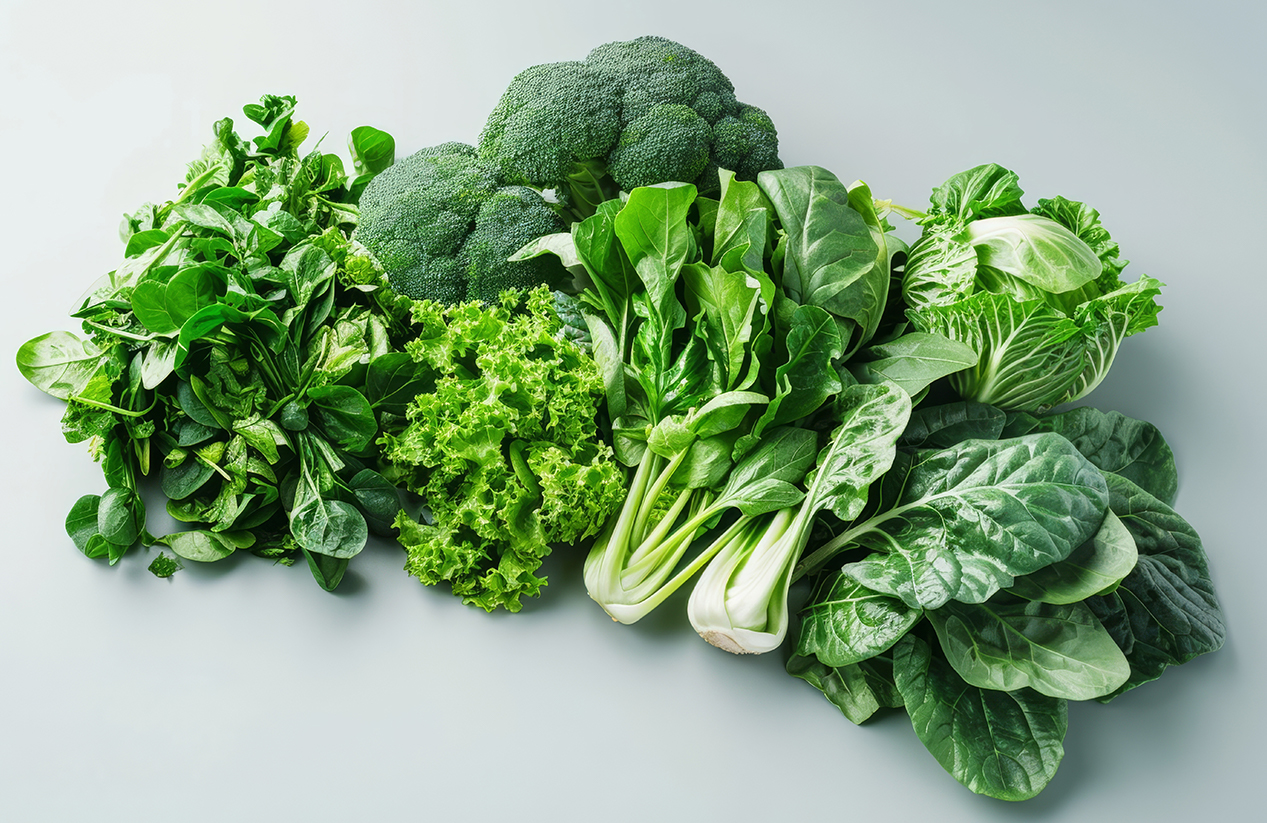
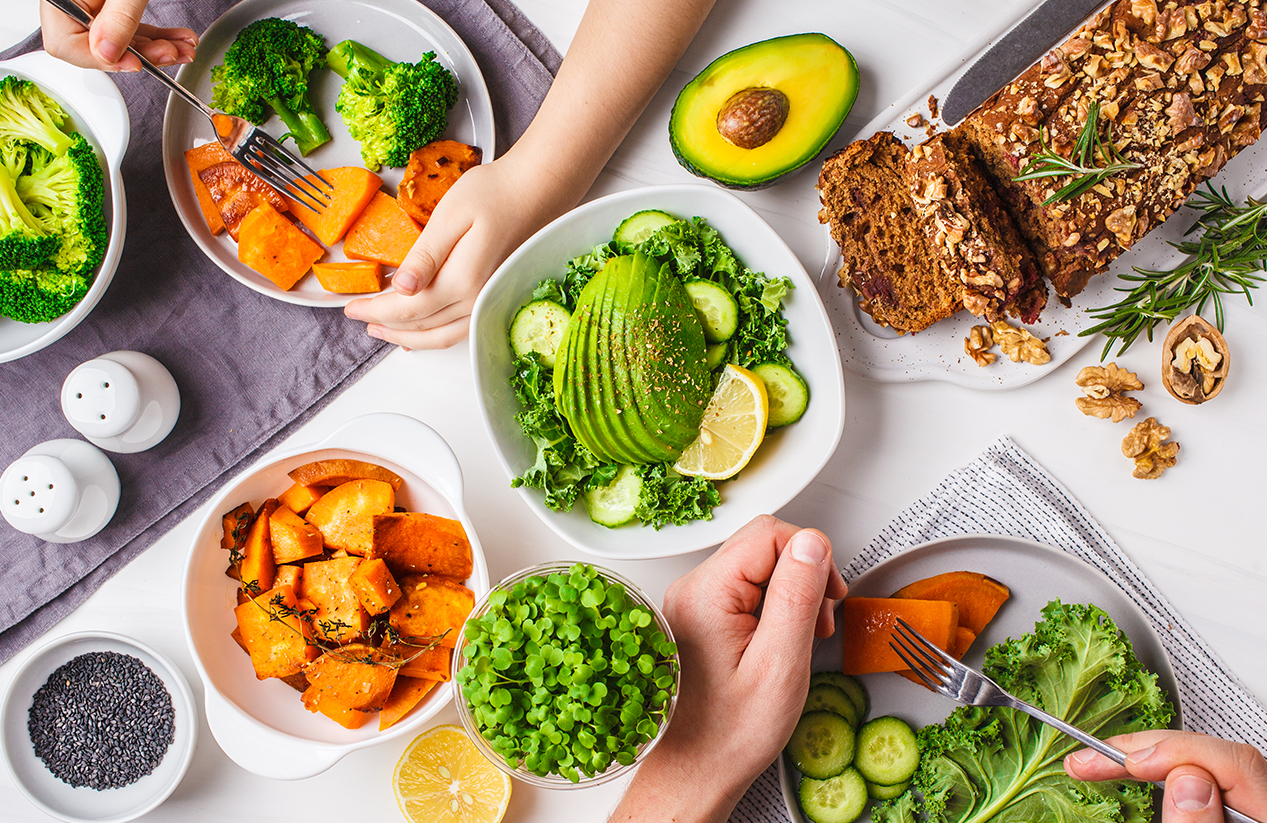
Leafy Green Vegetables: Lutein and Zeaxanthin for Macular Health
Dark leafy greens such as kale, spinach, broccoli, and collard greens are among the most powerful foods for healthy eyes. These vegetables contain carotenoids—particularly lutein and zeaxanthin—which accumulate in the macula, the part of the retina responsible for central vision.
Benefits for your eyes
Help filter harmful blue light and UV rays
Protect eye cells from oxidative damage
Support macular health
May reduce the risk of cataracts and macular degeneration
Easy ways to eat more leafy greens
Add spinach to smoothies or omelets
Bake kale chips as a healthy snack
Mix steamed broccoli into pasta or grain bowls
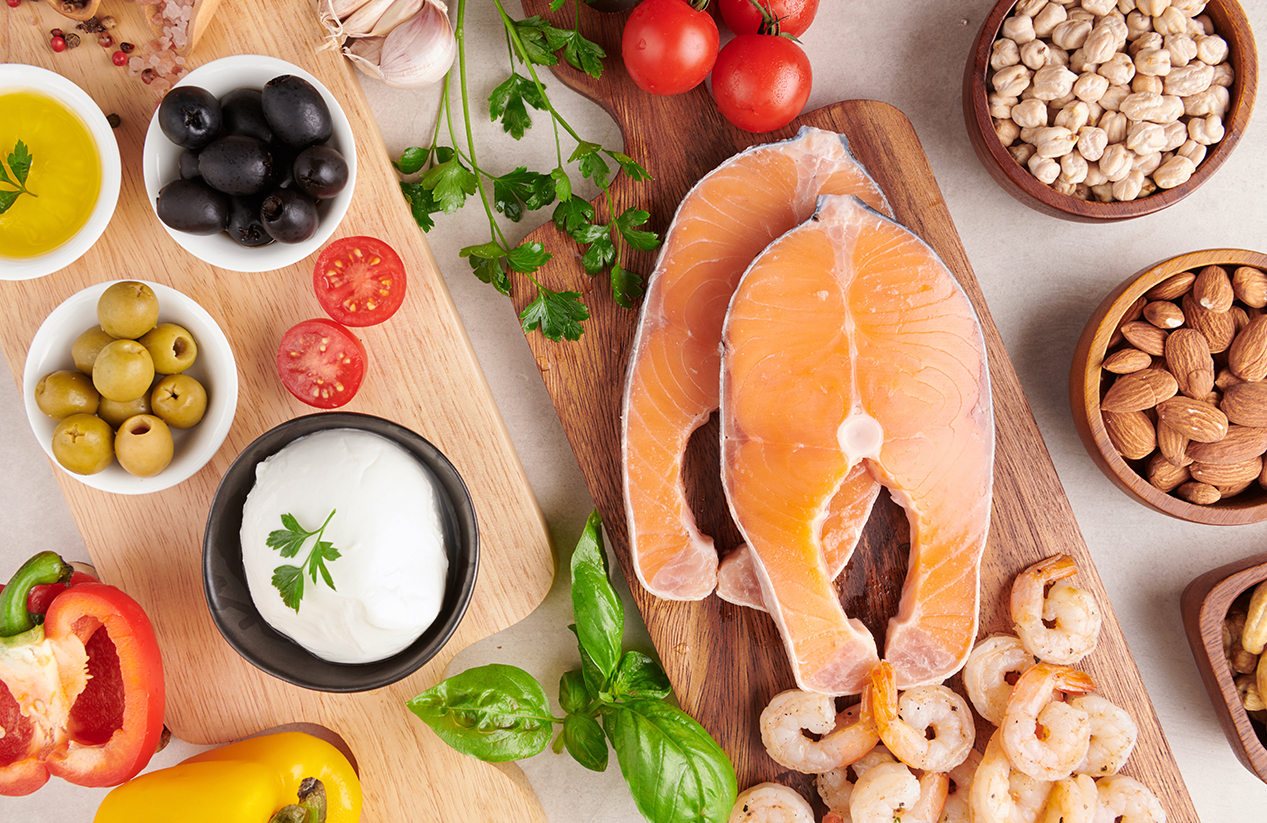
Oily Fish, Nuts, and Seeds: Omega-3 Fatty Acids for Retinal Health
Omega-3 fatty acids are widely recognized as one of the best nutrients for eyesight. Fatty fish such as salmon, sardines, trout, and mackerel are excellent sources of DHA and EPA, which help support retinal health.
Plant-based sources include walnuts, chia seeds, flaxseeds, and hemp seeds.
Why omega-3s support eye health
Promote healthy retinal function
Reduce inflammation in eye tissues
Improve tear quality and reduce dry eye symptoms
Help regulate eye pressure
How to add them to your diet
Sprinkle chia or flaxseeds over yogurt or oatmeal
Snack on a handful of walnuts
Eat salmon or another oily fish two to three times per week
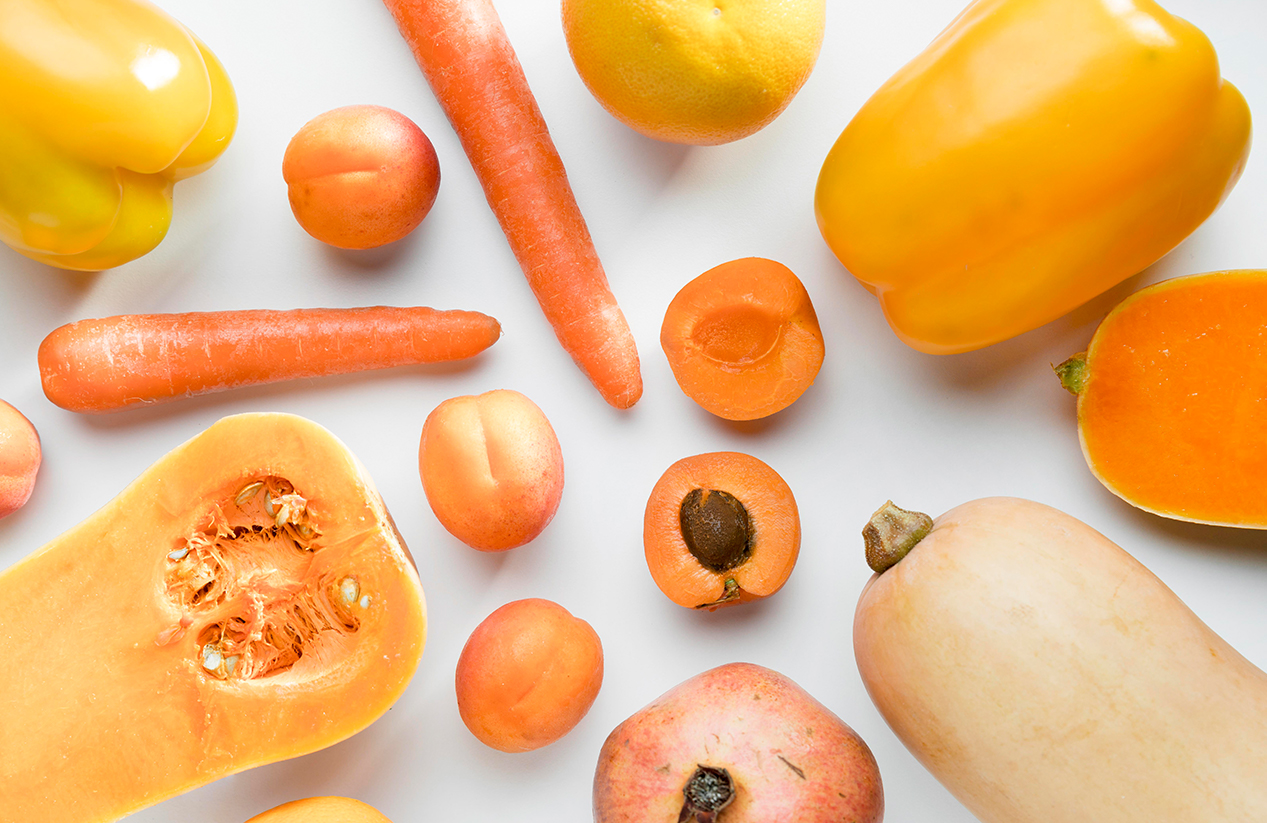
Orange-Colored Fruits and Vegetables: Vitamin A for Night Vision
Foods like carrots, sweet potatoes, apricots, and butternut squash are rich in beta-carotene, which the body converts into vitamin A—one of the most important vitamins for eye health.
How vitamin A supports vision
Maintains a healthy cornea
Helps protect retinal cells
Supports strong vision in low-light conditions
Prevents night blindness
Simple serving ideas
Add roasted sweet potatoes to dinner
Prepare warming carrot or squash soups
Snack on dried apricots
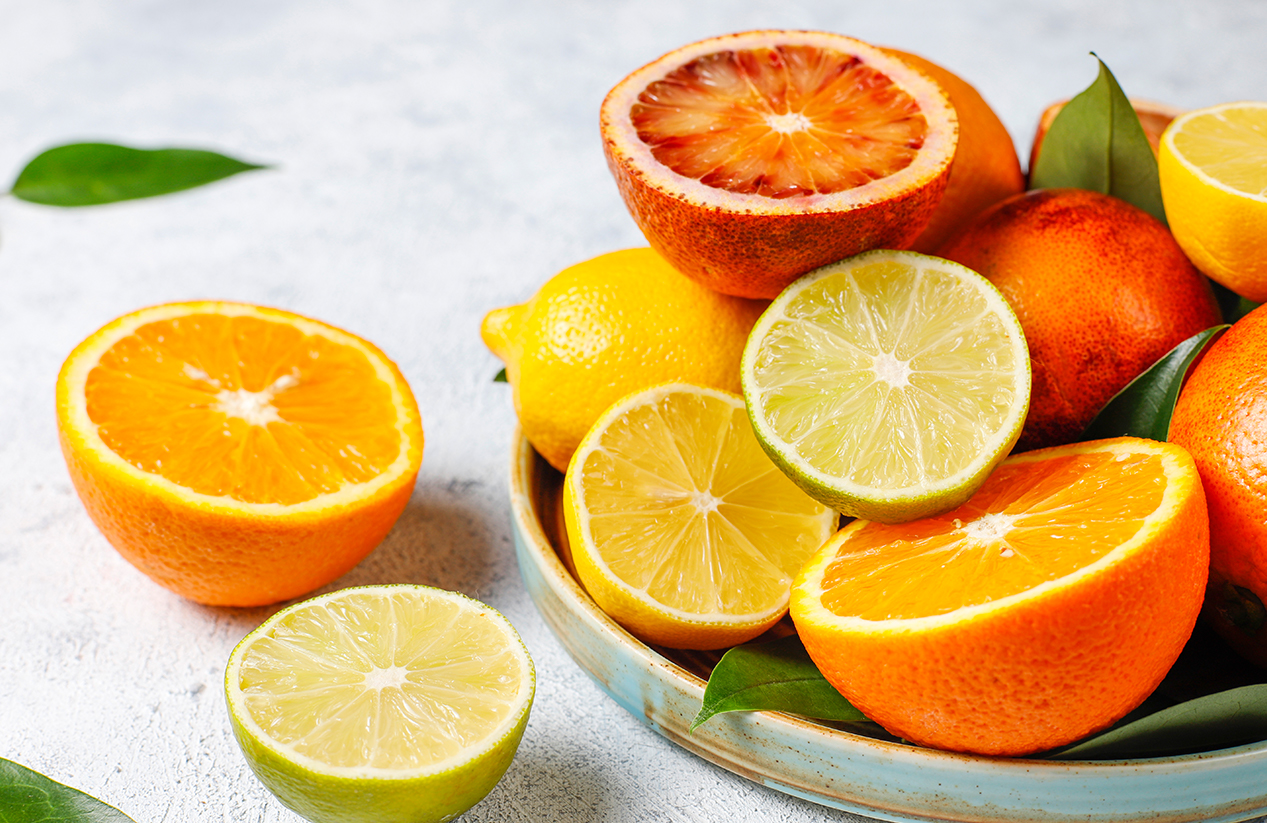
Citrus Fruits: Vitamin C for Healthy Eye Blood Vessels
Vitamin C is a powerful antioxidant that supports healthy blood vessels in the eyes and helps protect against oxidative damage.
Foods rich in vitamin C include:
Oranges
Grapefruits
Lemons
Strawberries
Bell peppers
Kiwi
Tomatoes
Brussels sprouts
Benefits for eye health
Strengthens blood vessels in the retina
Supports collagen production
Helps reduce the risk of cataracts
Protects eye tissues from free radicals
Easy ways to include them
Drink fresh citrus juice in the morning
Snack on sliced bell peppers and hummus
Roast Brussels sprouts as a side dish
Sunflower Seeds and Avocados: Vitamin E for Retinal Protection
Vitamin E is another important antioxidant that helps protect delicate eye tissues from oxidative stress.
Good sources include:
Sunflower seeds
Almonds and hazelnuts
Avocados
Peanuts
Olive oil
Why vitamin E supports vision
Reduces oxidative damage in eye tissues
Helps maintain clear lenses
Supports long-term retinal health
Serving suggestions
Spread mashed avocado on whole-grain toast
Add sunflower seeds to salads or baked goods
Sprinkle crushed nuts on stir-fries or noodle dishes

Red Meat, Poultry, and Legumes: Zinc for Eye Function
Zinc plays a key role in transporting vitamin A from the liver to the retina. It also helps support melanin production, which protects the eyes from UV damage.
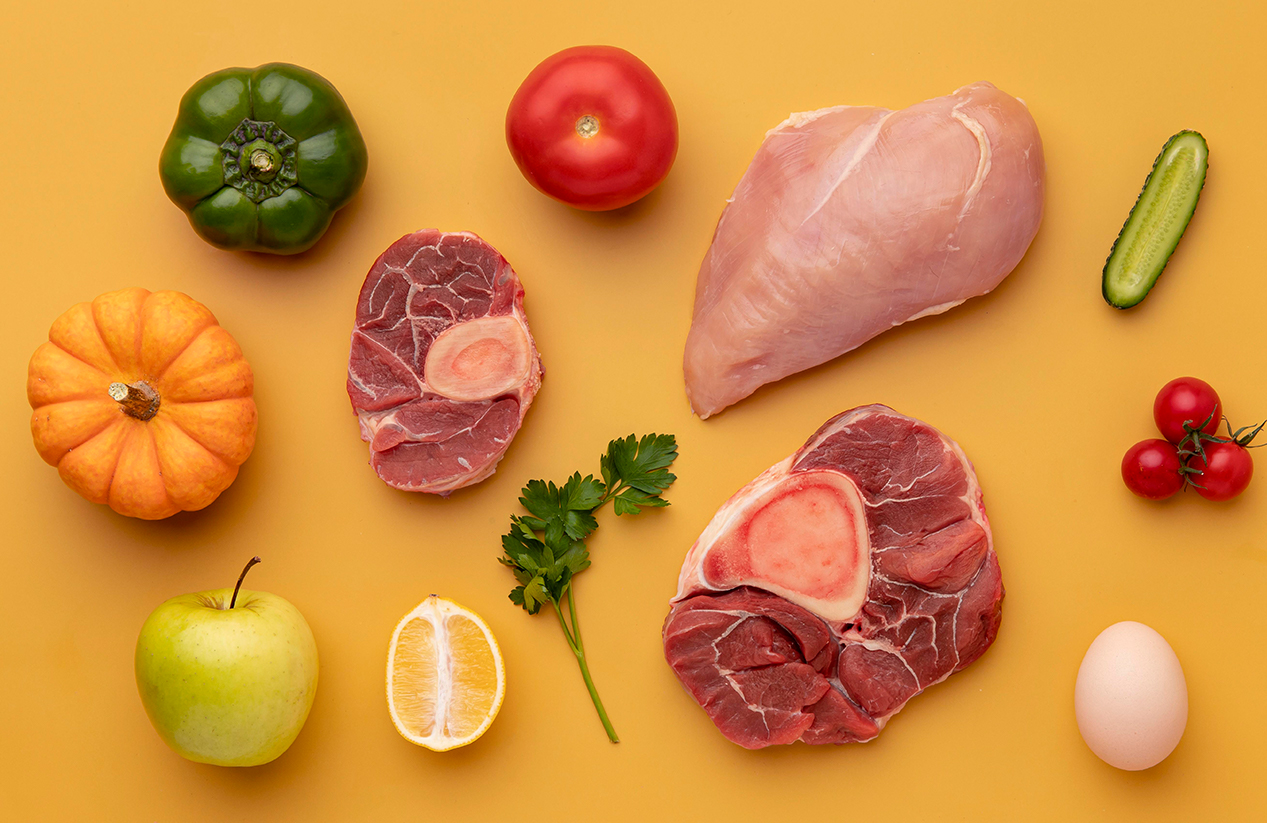
Foods rich in zinc include:
Beef and poultry
Oysters
Chickpeas
Lentils
Kidney beans
Tofu
Benefits of zinc for eyesight
Supports vitamin A metabolism
Maintains healthy retinal function
May slow the progression of age-related eye diseases
Easy meal ideas
Add chicken to stir-fries
Roast chickpeas for a healthy snack
Use lentils or beans in soups and grain bowls
Additional Foods That Support Eye Health
Several other foods can also contribute to healthy vision:
Blueberries – rich in anthocyanins that protect retinal cells
Egg yolks – provide lutein and zeaxanthin
Whole grains – help stabilize blood sugar and reduce risk of diabetic eye disease
Mangoes – offer vitamin A and antioxidants
Including a variety of these foods in your meals helps ensure your eyes receive the nutrients they need.
Maintaining a Balanced Diet for Healthy Eyes
A healthy nutrition plan for eye health should include a balanced mix of nutrients.
A well-rounded diet typically contains:
Plenty of fruits and vegetables
Whole grains and high-fiber carbohydrates
Lean proteins from fish, meat, or plant sources
Dairy or fortified alternatives
Healthy fats such as olive oil and nuts
At the same time, it’s best to limit foods that are high in salt, sugar, and saturated fats, as these may increase inflammation and oxidative stress that can harm eye tissues.
Consistency matters more than perfection. Small daily improvements in your diet can make a meaningful difference over time.
Additional Eye Health Tips
Nutrition is only one part of protecting your eyesight. Healthy lifestyle habits also play an important role.
Helpful eye health tips include:
Stay hydrated
Proper hydration supports tear production and helps prevent dry eyes.
Schedule regular eye exams
Routine eye tests can detect many conditions early, even before symptoms appear.
Wear UV-blocking sunglasses
Quality sunglasses protect your eyes from harmful UV rays.
Take breaks from screens
Frequent breaks reduce digital eye strain and help your eyes relax.
Use blue-light filtering lenses if needed
Many people who spend long hours on digital devices benefit from lenses designed for screen use.
At EFE Glasses, we encourage people to combine good nutrition with high-quality eyewear to support long-term eye comfort and protection.
In Summary
A healthy, nutrient-rich diet is one of the most effective ways to support long-term eye health and vision. By incorporating foods rich in vitamins, antioxidants, and essential minerals, you can help protect your eyes from oxidative stress and maintain clear vision throughout life.
When combined with good daily habits, routine eye exams, and well-designed eyewear from EFE Glasses, these nutritional choices can help safeguard your eyesight for years to come.

