
Learning Center
Diabetes and Vision Loss: Why Early Screening Is Your Best Defense


Did you know that diabetes can directly impact your vision? Many adults living with diabetes worry about potential vision loss, and while that concern is valid, there’s also reassuring news: most diabetes-related eye problems can be prevented or managed effectively with early detection.
High blood sugar doesn’t just affect energy levels—it can gradually damage the delicate blood vessels in your eyes. Over time, this may lead to diabetic eye disease, particularly diabetic retinopathy, one of the leading causes of vision loss worldwide. The challenge is that symptoms often appear late, which is why regular diabetic eye screening and comprehensive eye exams are essential.
Imagine this: one morning, Maria noticed a tiny floating spot while reading. She ignored it at first, but small visual changes like this can sometimes signal early eye issues. Recognizing these subtle signs and acting early can make all the difference in preserving your sight.
In this guide, we’ll break down how diabetes affects the eyes, explain diabetic retinopathy stages, highlight the importance of early screening, and explore treatment options—so you can protect your vision with confidence.
The Science: How Diabetes Affects Eye Health
Think of excess sugar in your bloodstream as a slow, damaging force. Over time, it weakens the tiny blood vessels in the retina—the part of your eye responsible for detecting light and sending visual signals to your brain.
When these vessels are damaged, several things can happen:
They may swell or leak fluid, causing blurry vision
They can become blocked, reducing oxygen supply
The eye may grow fragile new vessels that can bleed easily
This is not just a refractive issue that glasses can fix—it’s a medical condition affecting the internal structure of the eye. That’s why early diabetic eye exams are critical.
Fluctuating blood sugar levels can also temporarily change the shape of the eye’s lens, leading to inconsistent vision. One day your sight feels clear, the next it’s blurry—this is a common but important signal that your eyes need attention.
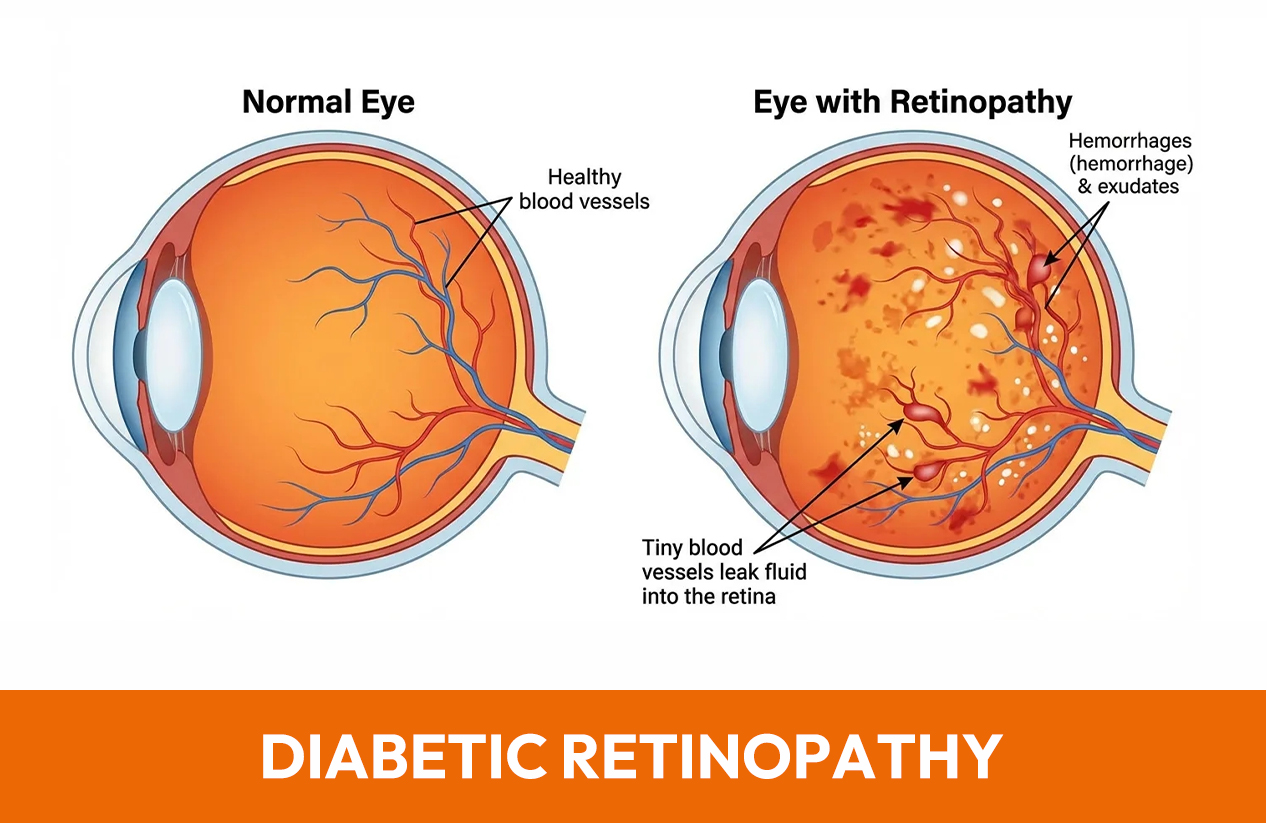
What Is Diabetic Retinopathy? Stages & Symptoms
Diabetic retinopathy develops in stages, and understanding them helps with early intervention:
1. Early Stage (Non-Proliferative Diabetic Retinopathy - NPDR)
Often no noticeable symptoms
Small blood vessel damage begins
Vision may still feel normal
2. Advanced Stage (Proliferative Diabetic Retinopathy - PDR)
New, fragile blood vessels form
Risk of bleeding inside the eye
Increased chance of vision loss
Common Symptoms to Watch For:
Floaters (spots or strings drifting in vision)
Blurred or fluctuating vision
Difficulty seeing colors clearly
Dark or empty areas in your field of vision
Sudden vision loss
One key point: you may have no symptoms in the early stages. Waiting until vision changes become obvious can delay treatment and increase risk.
The Best Defense: Regular Eye Screening
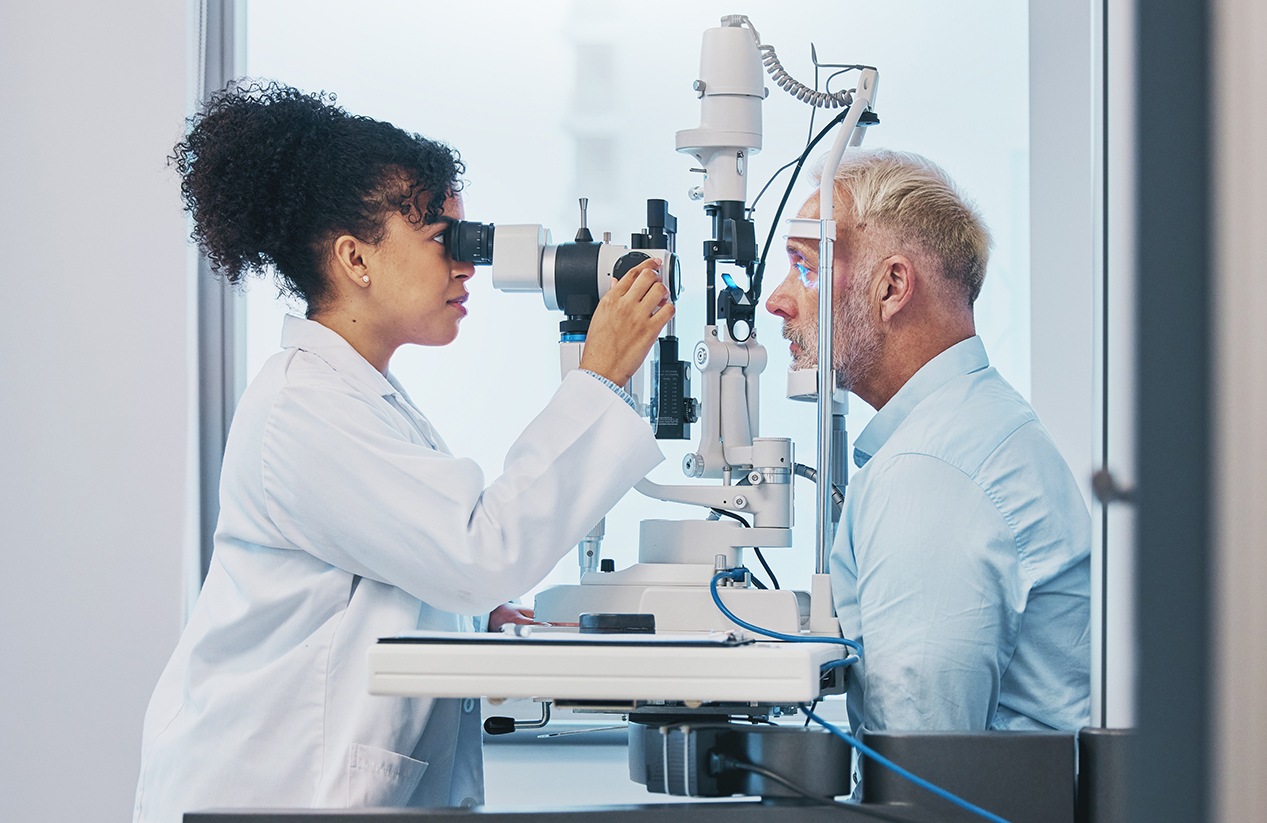
A standard vision test only checks whether you need glasses—it does not assess eye health. For people with diabetes, a comprehensive dilated eye exam is essential.
During this exam:
Eye drops widen (dilate) your pupils
Doctors examine the retina in detail
Advanced scans like OCT can detect hidden fluid or damage
Recommended Screening Schedule:
Type 1 diabetes: First exam within 5 years of diagnosis
Type 2 diabetes: Eye exam immediately after diagnosis
Ongoing care: At least once a year, or as advised
Yes, dilation may blur your vision temporarily—but it’s a small inconvenience compared to the risk of undetected damage.

Treatment Options for Diabetic Eye Disease
Treatment depends on how advanced the condition is. An eye specialist will recommend the most appropriate approach.
Common Treatments Include:
Anti-VEGF Injections
Help reduce swelling and stop abnormal blood vessel growthLaser Therapy (Photocoagulation)
Seals leaking vessels and prevents further damageVitrectomy Surgery
Removes blood or scar tissue in severe cases
Early treatment is always more effective. Delaying care can lead to permanent vision loss, so timely action is crucial.
Managing Vision Changes & Choosing the Right Eyewear
Blood sugar fluctuations can cause temporary vision changes, making it difficult to maintain a consistent prescription. That’s why it’s important not to update your glasses until your blood sugar levels are stable.
People with diabetes may need to update prescriptions more frequently, so having access to affordable, high-quality eyewear is key.
Brands like EFE Glasses offer a wide range of prescription glasses for changing vision needs, combining comfort, durability, and modern style. Whether you need lightweight frames for daily wear or updated lenses for improved clarity, choosing the right eyewear can support both your vision and confidence.
Having an extra pair of glasses or flexible lens options can also help you adapt more easily to changes.
Conclusion: Protect Your Vision with Early Action
When it comes to diabetes and eye health, the strategy is simple:
Control your blood sugar and overall health
Screen your eyes regularly with professional exams
Treat any issues early to prevent complications
Vision loss is not inevitable. With proactive care, consistent monitoring, and the right support—including reliable eyewear from brands like EFE Glasses—you can maintain clear, comfortable vision for years to come.
If it’s been a while since your last eye exam, now is the perfect time to schedule one. Your future vision depends on the steps you take today.

