


Thinking about switching from glasses to contacts? You’re not alone. Plenty of glasses wearers reach a point where they wonder:“Can I just use my eyeglass prescription for contact lenses?”It feels logical—both correct your vision, right? But here’s the truth: you can’t use one prescription for both. Eyeglass prescriptions and contact lens prescriptions are completely different because contacts sit directly on your eye, while glasses sit a short distance away. That small gap changes everything about how your prescription is calculated. Let’s break down exactly why.
Why They’re Different: The Role of Vertex Distance
The most important difference is something called vertex distance—the space between your glasses lens and your eye, usually around 12–14 mm. It sounds tiny, but it affects how light enters your eye and where it focuses. Eyeglass prescriptions are written specifically for that distance. Contacts, however, sit directly on your cornea. No gap.
No travel distance for the light. No buffer. So the prescription has to be recalculated. For mild prescriptions, the difference might be small. But for stronger prescriptions, the conversion becomes essential.
Example:
A glasses prescription of –6.00 may translate to about –5.50 in contacts. Using the glasses power directly would make the contacts too strong—causing headaches, eye strain, and blurry vision.
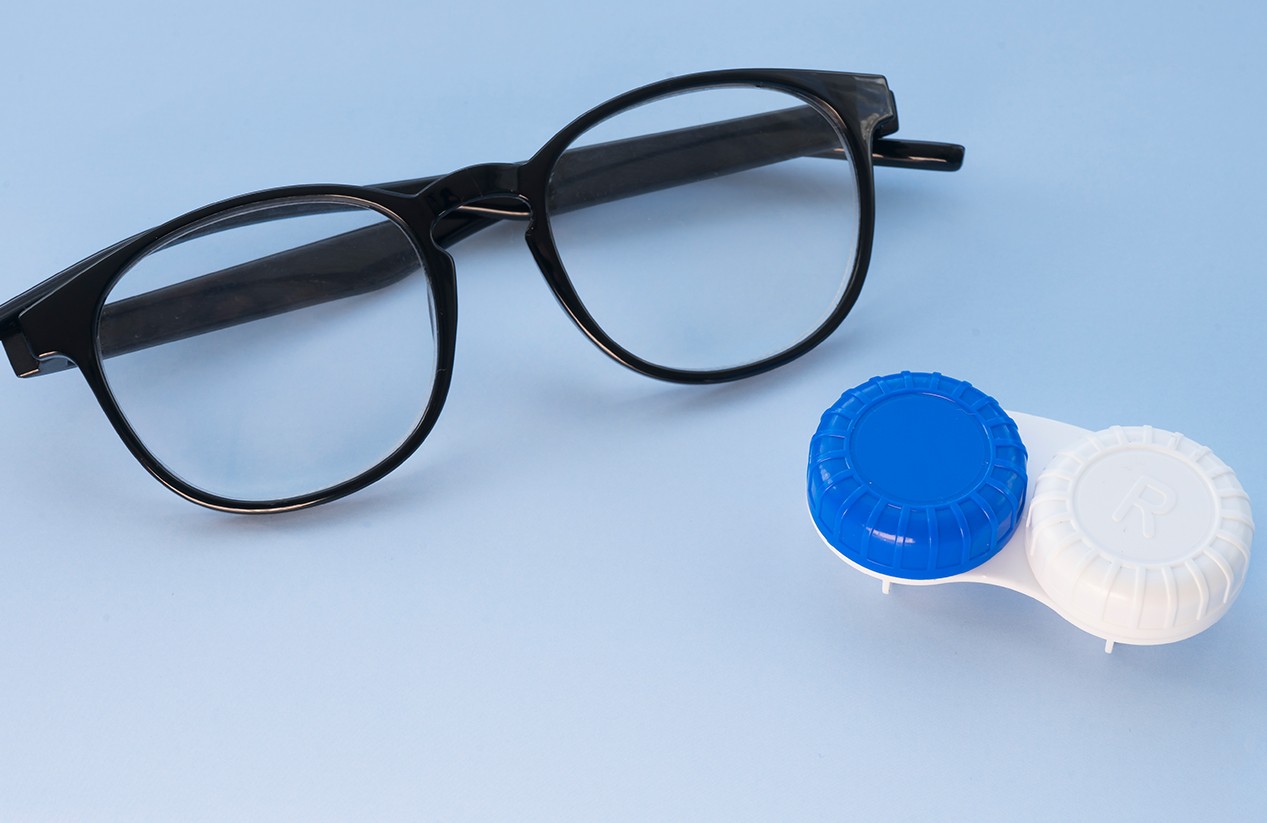
What’s Missing: Why Glasses Prescriptions Aren’t Enough
Even if you somehow adjusted for vertex distance, your glasses prescription still doesn’t include the information needed to safely fit contact lenses. A contact prescription requires:
1. BC — Base Curve
This determines how curved the contact lens is.
Too tight = pain, redness, irritation
Too loose = shifting lens, blurry vision, discomfort
2. DIA — Diameter
Controls how far the lens extends across your eye’s surface.
Wrong diameter = unstable lens movement + potential injury
3. Lens Brand & Material
Not all contact lenses are the same. Your eye doctor selects:
High-oxygen materials
Water content level
Lens stiffness
Wear schedule (daily, biweekly, monthly)
A glasses prescription tells you none of this. That’s why a professional contact lens fitting is non-negotiable.
Why Professional Fitting Matters (Not Optional!)
Some people try ordering contacts online using only their glasses prescription. Please don’t.
A contact lens fitting checks whether your eyes can handle contacts safely. During this appointment, your eye care provider will:
Measure your corneal shape
Evaluate your tear film
Check eye health
Test various lens types
Monitor the lens movement when you blink
This ensures the lens fits comfortably and doesn’t damage your eye surface.
Most fittings take 30–60 minutes and include instructions on:
How to insert and remove contacts
Cleaning routines
Safe wearing habits
This appointment is essential, not optional.
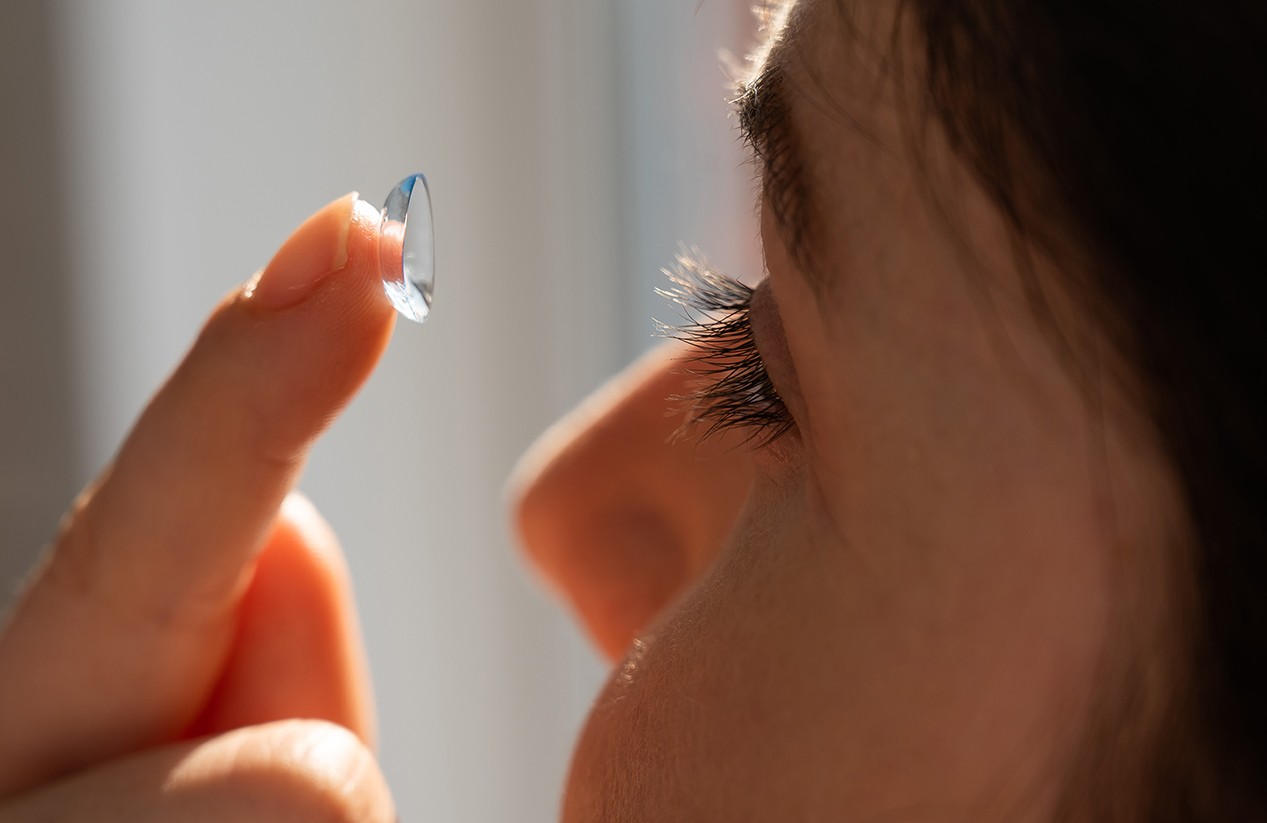
Why Using the Wrong Contact Prescription Is Dangerous
Let’s talk honestly: using your eyeglass prescription for contacts isn’t just inconvenient—it can be harmful. Here’s what can happen:
Immediate Problems
Blurry vision
Struggling to switch focus
Eye strain
Headaches
Halos around lights
Tired, irritated eyes
Your brain works overtime trying to compensate for the incorrect power.
Symptoms of a Poor Fit
Contacts that don’t match your eye shape feel terrible:
Scratchy or gritty feeling
Redness or swelling
Excessive dryness
Lens shifting or popping out
Watering eyes
This is your eye trying to flush out a lens that doesn't belong there.
Long-Term Risks (The Serious Part)
Wearing lenses that are too tight or the wrong shape can lead to:
1. Hypoxia (Low Oxygen to the Cornea)
A tight lens blocks oxygen, leading to:
Corneal swelling
Pain
Long-term sensitivity
2. Corneal Neovascularization
Your eye grows new blood vessels across the cornea—this can permanently affect vision.
3. Abrasions & Ulcers
Poorly fitting lenses can scratch your cornea.
Scratches → infections → corneal ulcers
Ulcers can cause permanent scarring or even vision loss.
4. Giant Papillary Conjunctivitis (GPC)
Irritation under the eyelid leads to:
Large bumps
Excess mucus
Severe discomfort
Inability to keep wearing contacts
This is a common reason people are forced to stop contact lens use entirely.
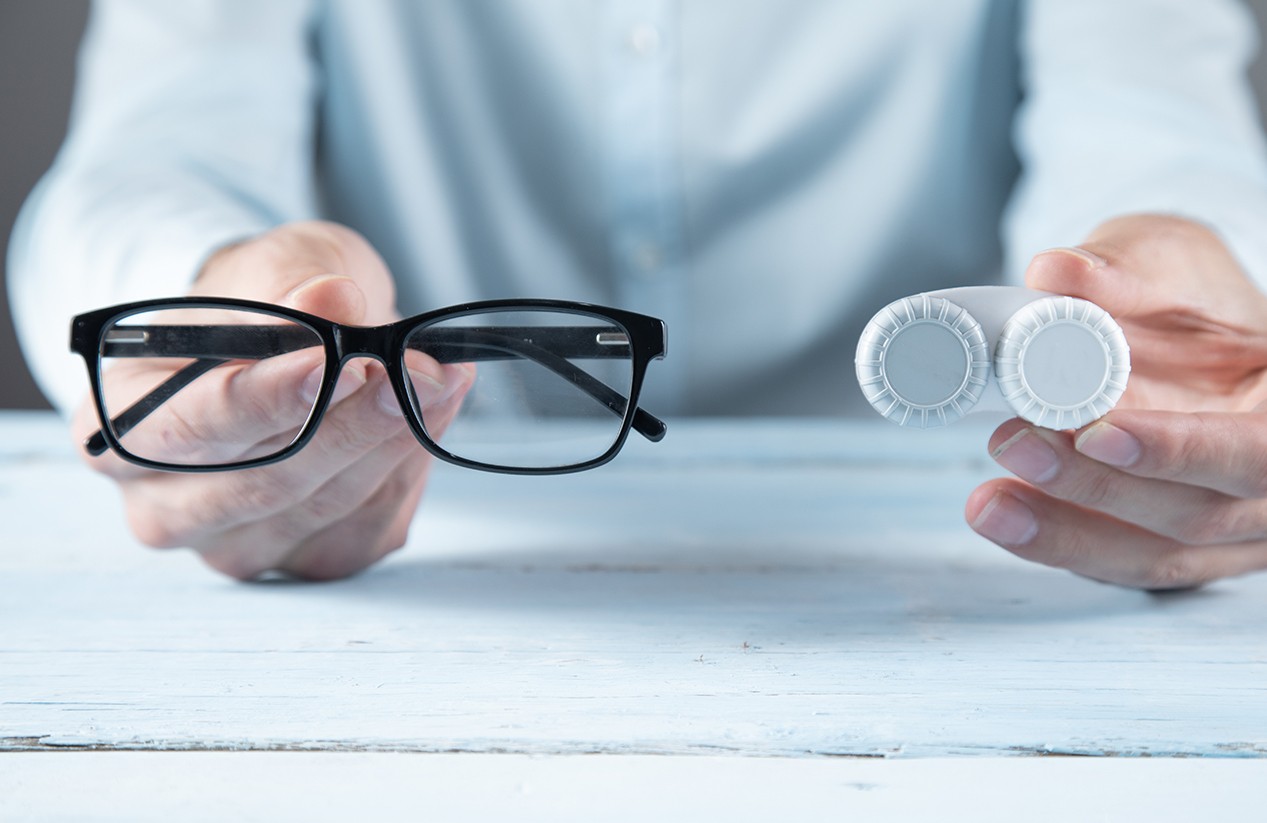
So… Can You Use Your Eyeglass Prescription for Contacts?
Absolutely not—and now you know exactly why. Your eyes deserve accurate, safe, and professionally measured prescriptions. Get a proper contact lens exam, protect your vision, and avoid unnecessary risks.
Don’t Forget Your Glasses: Backup Pairs Matter
Even if you plan to wear contacts most of the time, you still need a reliable pair of glasses for:
Mornings & nights
Days when your eyes feel sensitive
Allergy season
Screen-heavy days
Rest days for your cornea
This is where EFE Glasses comes in.
EFE Glasses offers stylish, lightweight, and affordable frames designed for all-day comfort. Whether you prefer classic designs or bold modern looks, EFE Glasses provides high-quality eyewear that supports your eye health—and keeps you looking good.
Explore EFE Glasses’ latest collections to find your perfect backup (or primary!) pair.
Conclusion
Can you use a glasses prescription for contacts? No—you simply can’t. They require different measurements, different data, and a professional fitting to ensure comfort and safety. Your eyes aren’t something to gamble with. Schedule a proper contact lens exam, get the correct prescription, and keep a trustworthy pair of glasses from EFE Glasses for everyday use. Healthy eyes begin with informed choices. Start today.