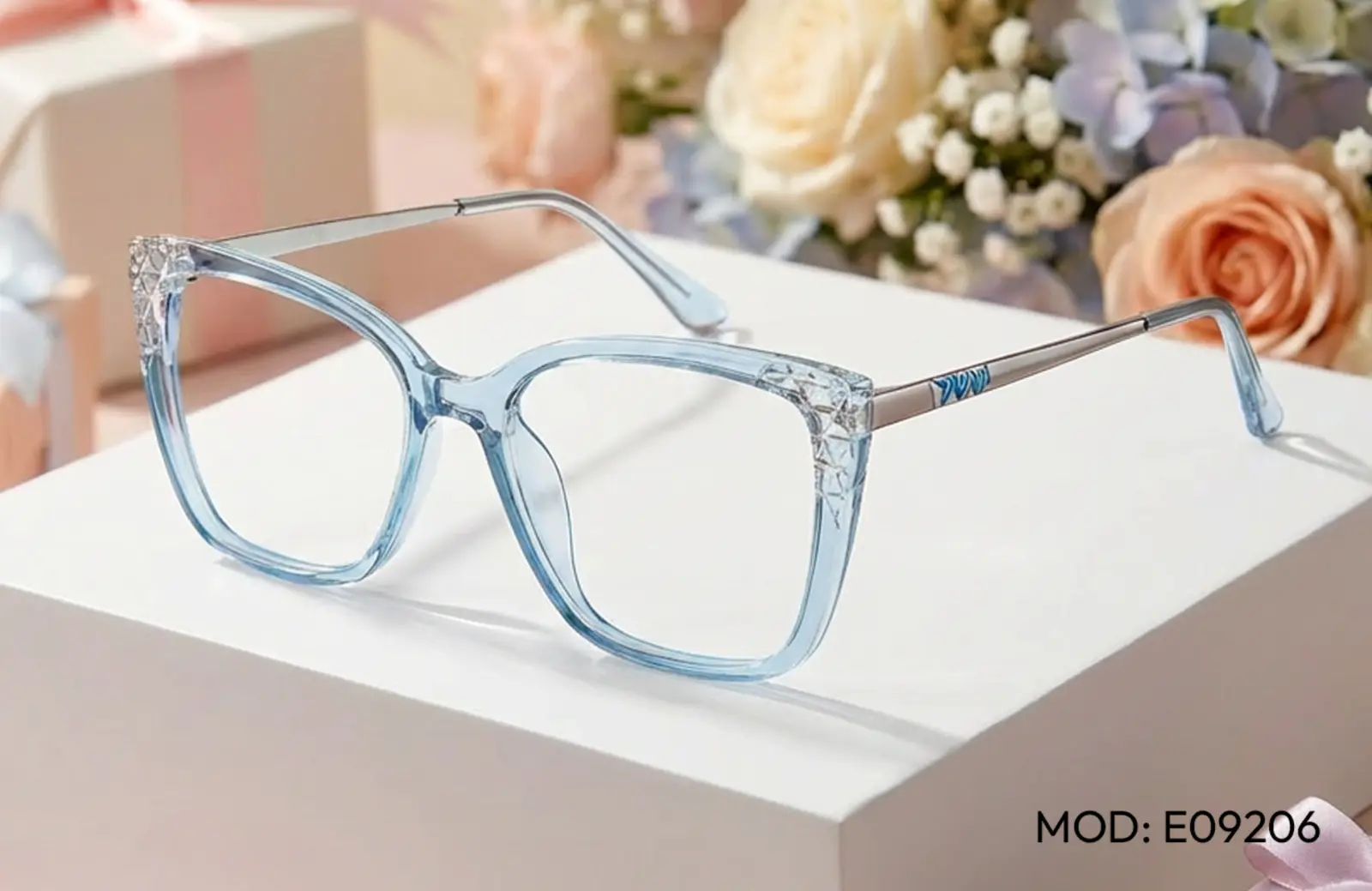
The exact moment when glasses were invented remains uncertain. Historians still debate who invented glasses and how these essential vision aids first appeared. What is widely accepted, however, is that the earliest wearable spectacles emerged in Italy — most likely in Venice during the 13th century, a period when glassmaking craftsmanship reached extraordinary levels.
These early optical devices marked a turning point in the history of eyewear, enabling people with vision problems to read, write, and function more independently. Over centuries, they evolved into the modern prescription glasses, contact lenses, and blue light glasses that millions rely on today.
From simple magnifying tools to sophisticated fashion accessories, eyewear has undergone remarkable transformation. Today, brands like EFE Glasses continue to innovate by blending optical performance with contemporary style, reflecting how glasses have become both a necessity and a personal statement.
Let’s explore the fascinating journey of eyewear — from ancient visual experiments to the advanced modern eyewear technology shaping the future.
Who Invented Glasses? Understanding the Origins
Determining who invented glasses is complex because their development spanned centuries and multiple cultures. Early optical experimentation occurred long before wearable spectacles were created.
Ancient Visual Aids: Nero and Early Magnification
The earliest recorded use of visual enhancement dates back to ancient Rome. Emperor Nero was said to watch gladiator battles through a polished emerald to improve clarity. While not technically glasses, this example illustrates early attempts to manipulate light for vision.
Roman scholars also discovered that curved glass could magnify objects, laying foundational knowledge for later optical innovations.
9th–12th Century: Reading Stones and Early Optical Tools
In the 9th century, Arab scholar Abbas ibn Firnas developed “reading stones,” small dome-shaped magnifiers used to enlarge text. These tools were especially helpful for people with presbyopia, marking the first functional step toward the invention of corrective lenses.
By the 12th century, similar devices spread across Europe, where monks and scholars used them to read manuscripts. This period played a crucial role in the prescription glasses history we recognise today.
13th Century: The Birth of Wearable Glasses in Italy
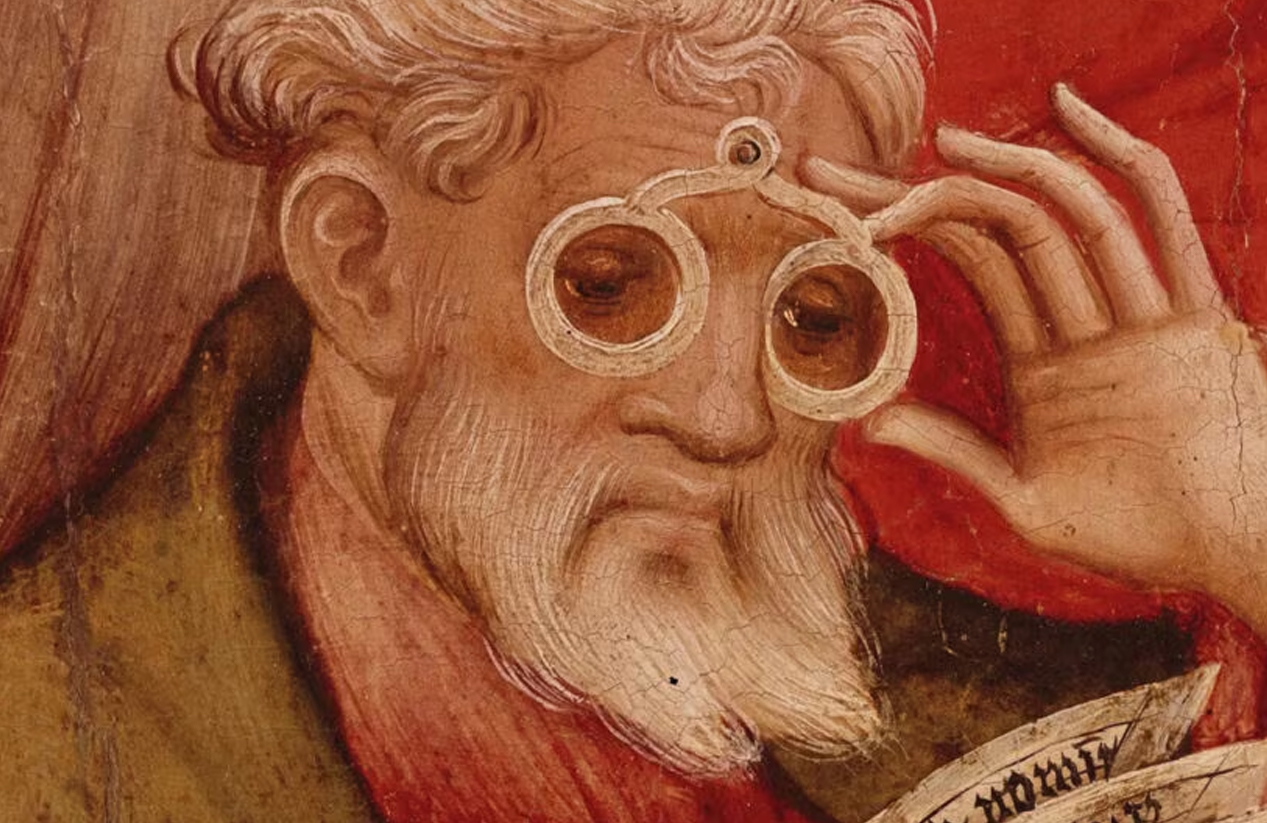
Most historians agree that the first wearable eyeglasses appeared in Venice during the 13th century. These early spectacles were crafted from glass or crystal and were typically hand-held rather than worn.
Used primarily by scholars and clergy, they quickly became symbols of intellect and social status. Despite their simplicity, they represent the true beginning of the history of eyeglasses.
14th–15th Century: Early Styles and Optical Discoveries
As vision correction became more widespread, new eyewear designs emerged. The French introduced pince-nez, which rested on the nose without arms. Meanwhile, scissor glasses gained popularity among wealthy Europeans for their portability.
During this period, scientific understanding also improved. Johannes Kepler accurately explained how concave lenses corrected myopia while convex lenses addressed hyperopia — a breakthrough in optical science.

17th–18th Century: Design Innovations and Bifocal Lenses
By the 18th century, eyewear design had improved significantly. In 1727, English optician Edward Scarlett introduced side arms, allowing glasses to rest securely behind the ears — a design still used today.
Later, Benjamin Franklin invented bifocal glasses, enabling wearers to see both near and far without switching between multiple pairs. This innovation transformed everyday visual convenience.
19th Century Eyewear: Industrial Growth and Optical Advancements
The 19th century saw rapid developments in eyecare. Thomas Young identified astigmatism and introduced cylindrical lenses to correct it, enhancing the functionality of prescription eyewear.
Frame materials also evolved. Steel wire frames became popular, offering lighter and more comfortable designs. With the growth of industrial manufacturing, eyewear became more accessible to the general public.
20th Century: Fashion Meets Function
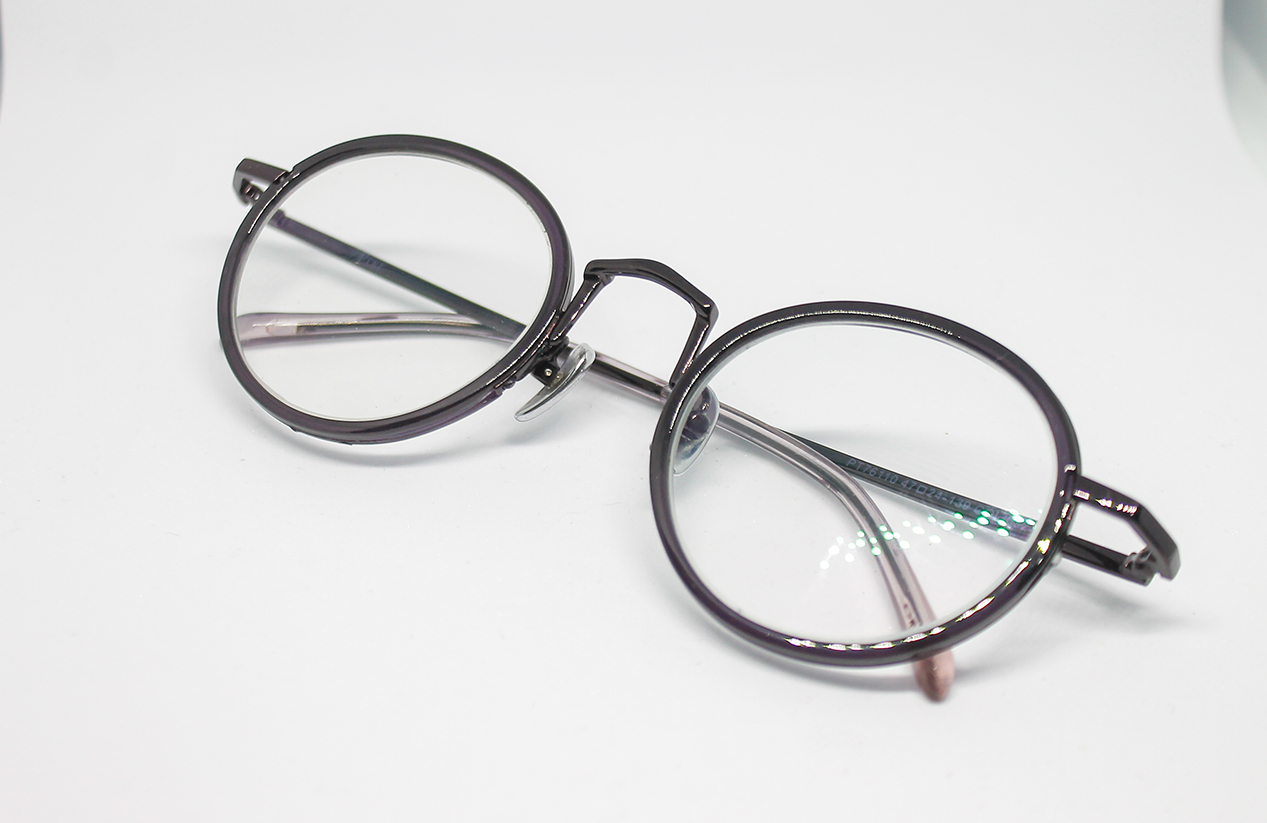
By the 20th century, glasses had become fashion statements. The introduction of plastic lenses and frames made eyewear more affordable and versatile.
Iconic styles emerged, from the elegant cat-eye frames of the 1950s to bold oversized designs of the 1980s. Glasses were no longer just medical devices — they became expressions of personality and cultural trends.
Optometry also advanced significantly. Progressive lenses offered smooth transitions between viewing distances, improving comfort for wearers.
Sunglasses gained popularity as both protective and fashionable accessories, evolving from functional tools to global style essentials.
The Modern Era: Contact Lenses, Blue Light Protection, and Smart Glasses
The invention of contact lenses provided a discreet alternative to traditional spectacles. In recent decades, blue light lenses have become increasingly popular as digital device usage increased, helping reduce eye strain and fatigue.
Today, smart glasses represent the cutting edge of modern eyewear technology. Devices such as Ray-Ban Meta integrate cameras, audio, and connectivity features. Some innovative designs even combine visual correction with hearing assistance.
Brands like EFE Glasses continue to reflect this evolution by offering stylish frames paired with advanced optical solutions, ensuring eyewear remains relevant in both function and fashion.
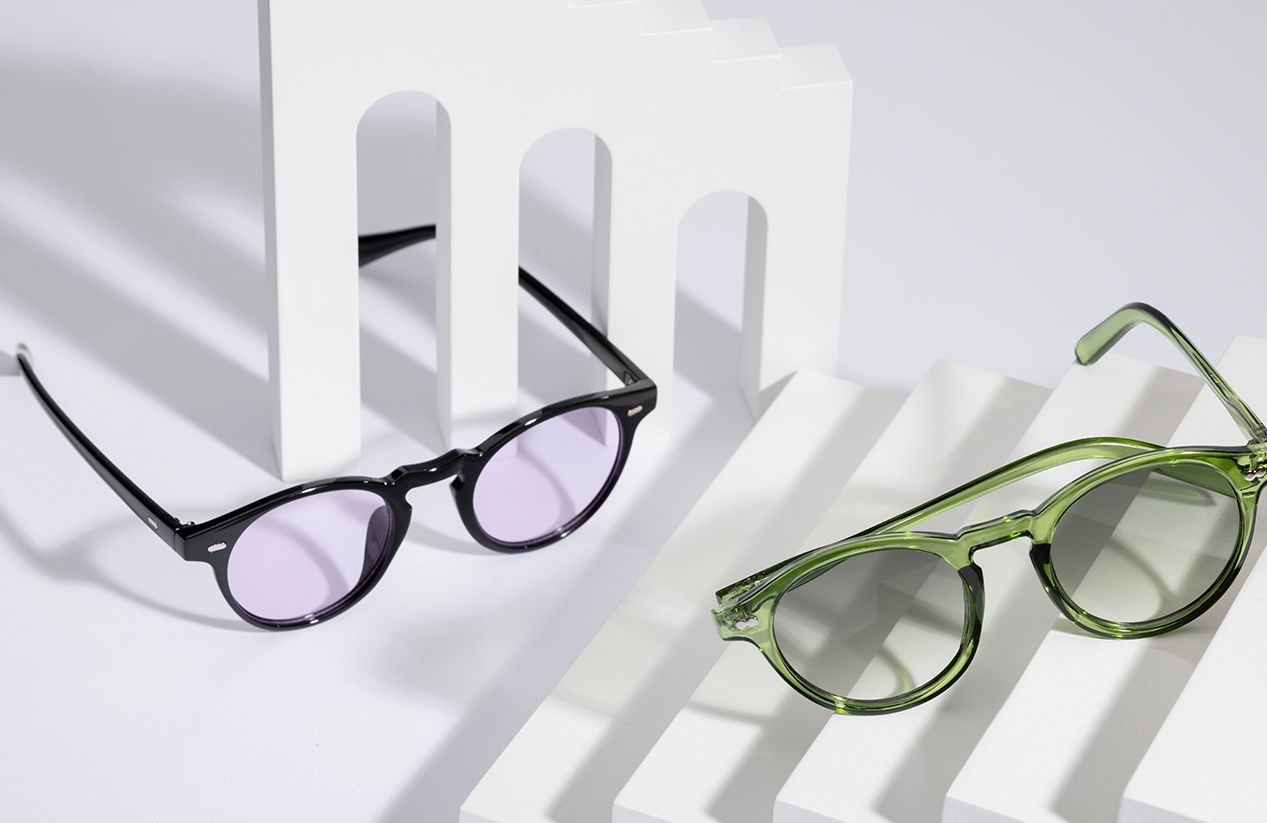
The Future of Eyewear: Innovation and Sustainability
From Nero’s emerald to AI-powered lenses, the history of eyewear reflects humanity’s enduring quest for clearer vision. Over more than 800 years, glasses have transformed from luxury tools into everyday essentials.
The future promises exciting developments, including:
Sustainable frame materials
Adaptive smart lenses
Personalised AI optical solutions
Enhanced digital vision protection
Whether you wear prescription glasses, contact lenses, or modern blue light eyewear, each pair connects you to centuries of innovation.
One thing is certain: our fascination with seeing the world more clearly — and our curiosity about when glasses were invented — will continue to shape the future of eyewear design.