Scratches on eyeglasses are one of the most common frustrations for anyone who wears prescription glasses. Even tiny marks can reduce visual clarity, increase glare, and make everyday tasks like driving or using digital screens more uncomfortable.
The good news? Most scratched lenses aren’t caused by accidents—they come from small daily habits. With the right care routine and lens choices, you can keep your eyewear clear and long-lasting. Brands like EFE Glasses also emphasize durable materials and protective coatings to help reduce everyday wear.
Why Preventing Scratches on Glasses Matters
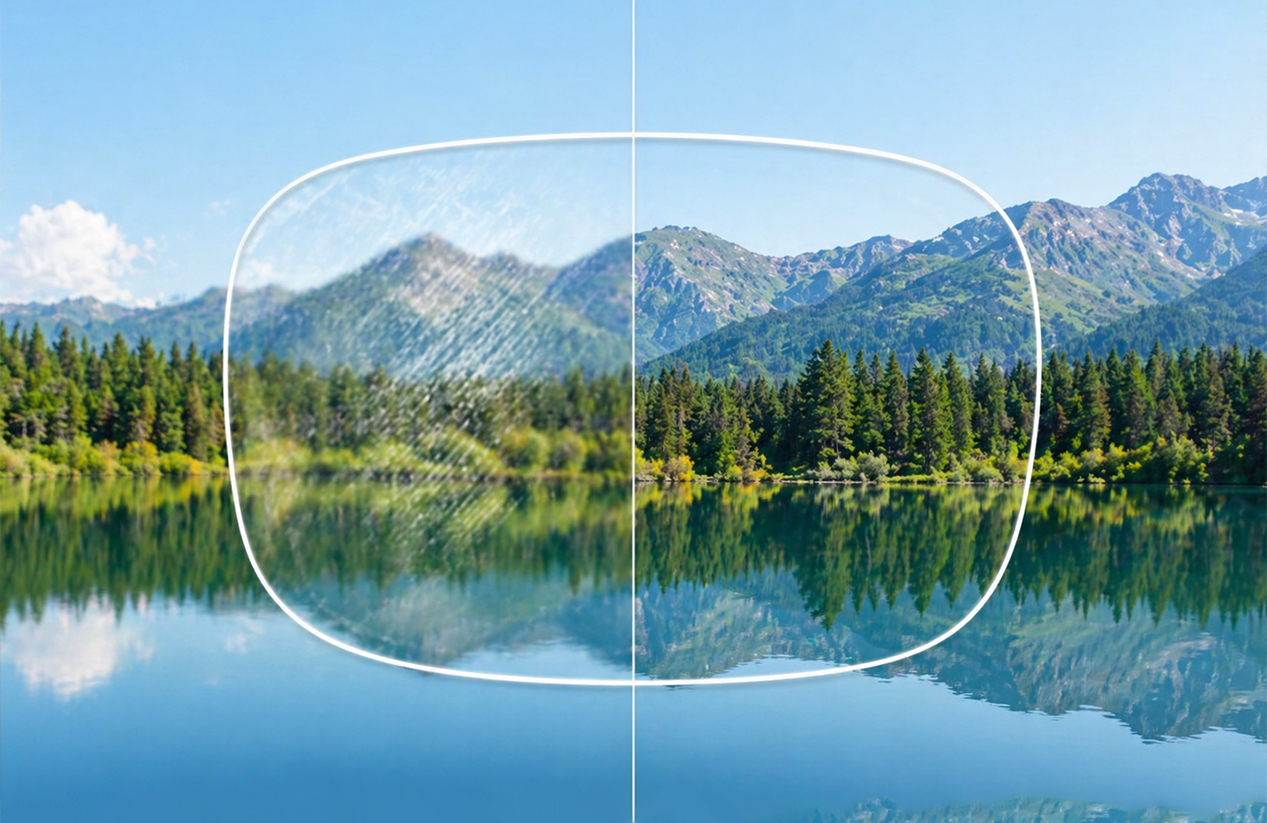
Scratches don’t just affect how your glasses look—they directly impact your vision quality. When light hits a scratched surface, it scatters, leading to:
Reduced sharpness and clarity
Increased glare (especially at night)
Eye strain during screen use
Difficulty driving in low light
Over time, damaged lenses may require replacement, making scratch prevention essential for both comfort and cost savings.
Common Causes of Scratched Glasses
Most scratches happen during routine use rather than major accidents. Common causes include:
Cleaning lenses with paper towels or clothing
Using household glass cleaners instead of lens-safe solutions
Wiping lenses while dry (with dust or debris present)
Carrying glasses loosely in bags or pockets
Attempting DIY fixes like baking soda or toothpaste
These habits gradually wear down protective coatings and damage lens surfaces.
How to Prevent Scratches on Glasses
1. Always Use a Protective Case
A hard case is one of the easiest ways to protect your glasses.
Store your glasses in a case when not in use
Avoid placing them lens-down on surfaces
Keep them away from keys or sharp objects
This simple habit prevents most accidental scratches and pressure damage.
2. Clean Glasses the Right Way
Proper cleaning is key to scratch-free lenses.
Best method:
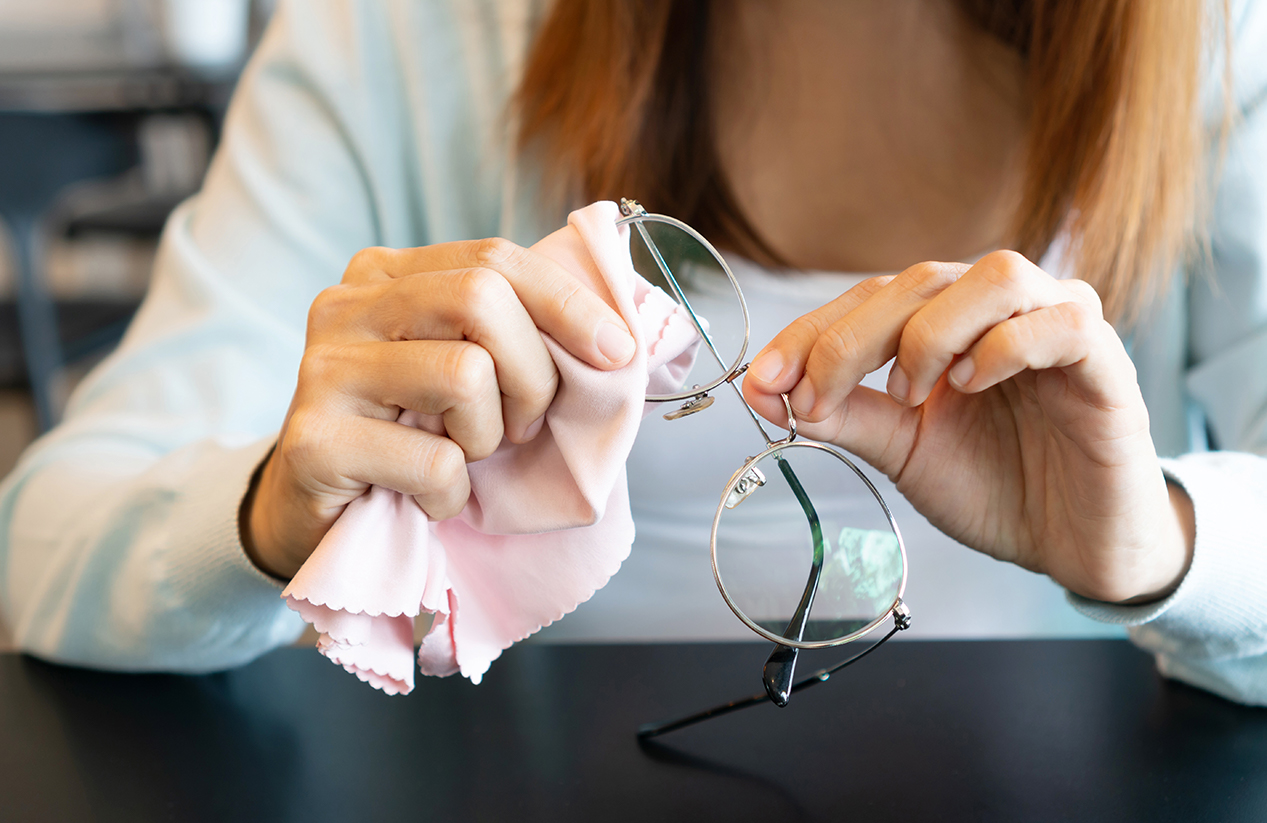
Rinse lenses with lukewarm water
Apply a small amount of lens cleaner or mild soap
Gently clean using your fingers
Dry with a clean microfibre cloth
Never wipe lenses when dry—this is one of the fastest ways to create scratches.
3. Use Proper Cleaning Materials
Only use tools designed for eyewear:
Microfibre cloth
Lens cleaning spray
Optical wipes
Avoid:
Paper towels
Tissues
Clothing fabrics
Household cleaners
These materials can damage coatings and cause micro-abrasions.
4. Choose Scratch-Resistant Lens Coatings
Modern lenses often include:
Anti-scratch coating
Anti-reflective (AR) coating
Blue light filtering
While no lens is completely scratch-proof, these coatings significantly improve durability. Many collections from EFE Glasses offer advanced coatings designed for daily wear and long-term clarity.
Choosing the Right Lenses for Durability
Your lens material also plays a role in scratch resistance.
Recommended options:
Polycarbonate or high-index lenses (durable and lightweight)
Lenses with multi-layer coatings
Blue light lenses for digital comfort
Investing in better lens technology upfront can extend the life of your glasses.
What NOT to Do with Scratched Glasses
Many people search for ways to fix scratched lenses—but most DIY solutions cause more harm.
Avoid:
Toothpaste
Baking soda mixtures
Car wax or polish
These methods can strip coatings and worsen damage.
Best solution:
Visit an optician to replace lenses if scratches affect your vision.
Daily Habits for Long-Term Lens Care
Consistency is key. Build a simple routine:
Clean lenses daily with proper solution
Carry a microfibre cloth with you
Store glasses in a hard case
Avoid placing lenses face down
Handle frames gently
These small habits can dramatically extend the life of your eyewear.

Glasses vs Contact Lenses: Scratch Considerations
Unlike contact lenses, which are replaced frequently, glasses are long-term investments. That means:
More exposure to dust and debris
Greater need for cleaning and storage care
Higher importance of protective coatings
Taking care of your glasses ensures consistent clear vision day after day.
Conclusion: Protect Your Glasses, Protect Your Vision
Preventing scratches on glasses doesn’t require complicated steps—just the right habits. Clean lenses properly, store them safely, and choose high-quality coatings from the start.
If your current lenses are already scratched, replacing them may be the best option. Investing in durable eyewear from brands like EFE Glasses can also help reduce future damage while keeping your vision sharp and comfortable.
With the right care, your glasses can stay clear, stylish, and reliable for years.
FAQs
How do you stop glasses from getting scratched?
Use a microfibre cloth, clean lenses properly, store them in a case, and choose scratch-resistant coatings.
What is the safest way to clean glasses?
Rinse with water, clean with mild soap or lens spray, and dry with a microfibre cloth.
Do anti-scratch coatings really work?
Yes. They don’t make lenses scratch-proof but significantly improve durability.
Can scratched lenses be repaired?
Not effectively. It’s best to replace them if scratches impact your vision.
What is the best cloth for glasses?
A microfibre cloth—designed to clean without scratching or damaging coatings.