


Exposure to ultraviolet (UV) rays can have a serious impact on your eye health. Both UVA and UVB rays may increase the risk of eye conditions such as cataracts, macular degeneration, photokeratitis, and long-term vision damage. One of the best ways to protect your eyes is by wearing sunglasses with 100% UV protection, limiting excessive sun exposure, and choosing high-quality protective eyewear.
At EFE Glasses, we believe healthy vision starts with daily protection and smart eye care habits—especially during the summer months when UV levels are strongest.
Quick UV Eye Protection Tips
Wear sunglasses with 100% UV protection
Choose polarised sunglasses or Transitions® lenses
Apply broad-spectrum SPF sunscreen
Avoid direct sunlight between 11am–3pm
Wear a wide-brimmed hat and protective eyewear
Stay hydrated to reduce dry eyes
Avoid sunbeds and artificial UV exposure
What Is Sun Awareness Week?
Sun Awareness Week is a campaign focused on educating people about the dangers of UV radiation and encouraging healthier sun protection habits. The campaign highlights the importance of reducing the risk of skin cancer, preventing UV-related eye damage, and improving overall eye health awareness.
It’s also the perfect reminder to review your summer eye care routine and make sure your eyes are protected from harmful UV rays.
Why UV Eye Protection Matters
The sun emits different forms of ultraviolet radiation, mainly UVA rays and UVB rays, both of which can damage the eyes over time.
UVA rays penetrate deeper into the eye and are associated with cataracts and macular degeneration
UVB rays mainly affect the surface of the eye and can cause photokeratitis, also known as sunburn of the cornea
Repeated exposure to UV light may contribute to long-term eye conditions, while short-term overexposure can lead to:
Eye strain
Dry eyes
Irritation
Light sensitivity
That’s why wearing UV protection sunglasses should be part of your daily routine—not only in summer, but all year round, even on cloudy days.
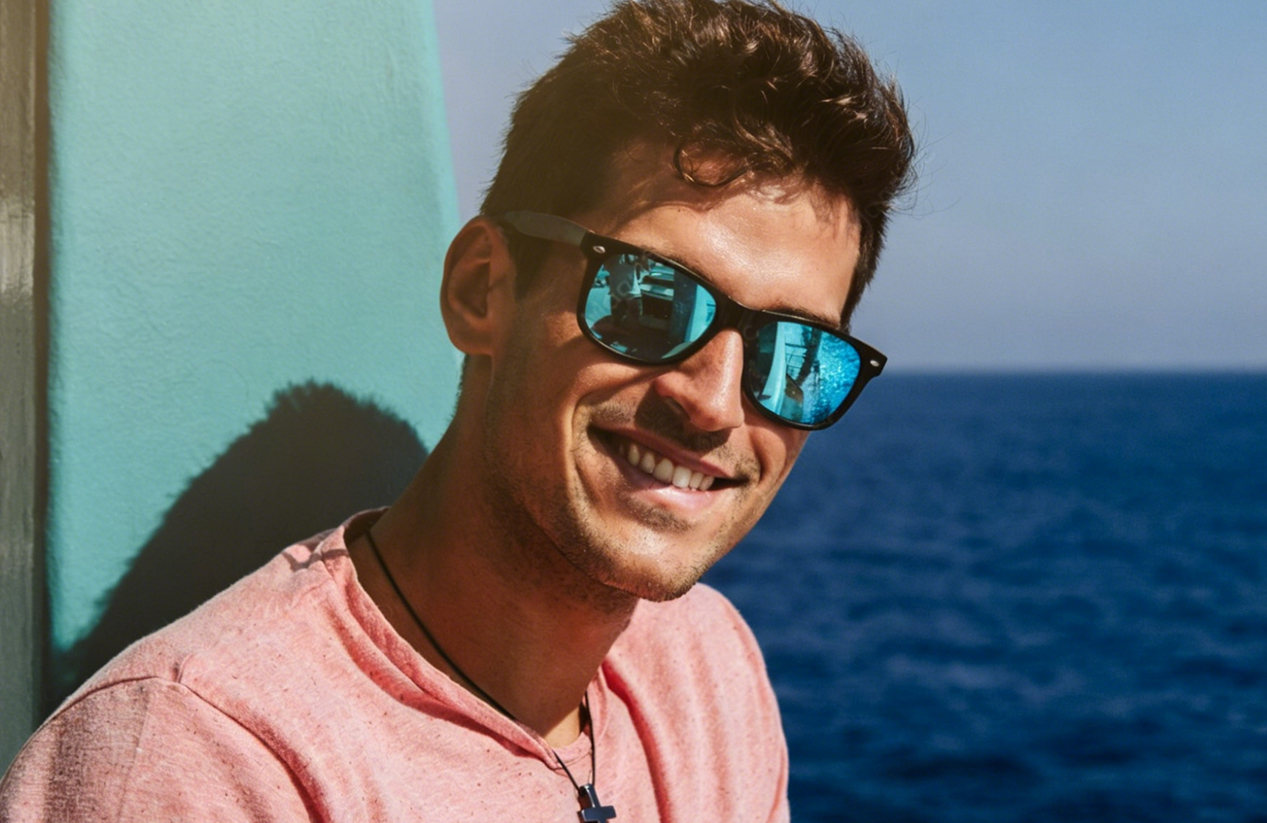
Top Tips for Protecting Your Eyes from UV Rays
1. Wear Sunglasses with 100% UV Protection
The most effective way to protect your eyes outdoors is by choosing sunglasses that block 100% of UVA and UVB rays.
Look for features such as:
UV400 protection
Wraparound frame styles
Larger lenses for better eye coverage
Polarised lenses for glare reduction
High-quality UV protection sunglasses from brands like EFE Glasses can help reduce glare, eye strain, and harmful sun exposure during outdoor activities.
Polarised lenses are especially useful near water, roads, and sandy environments where reflected sunlight is stronger.
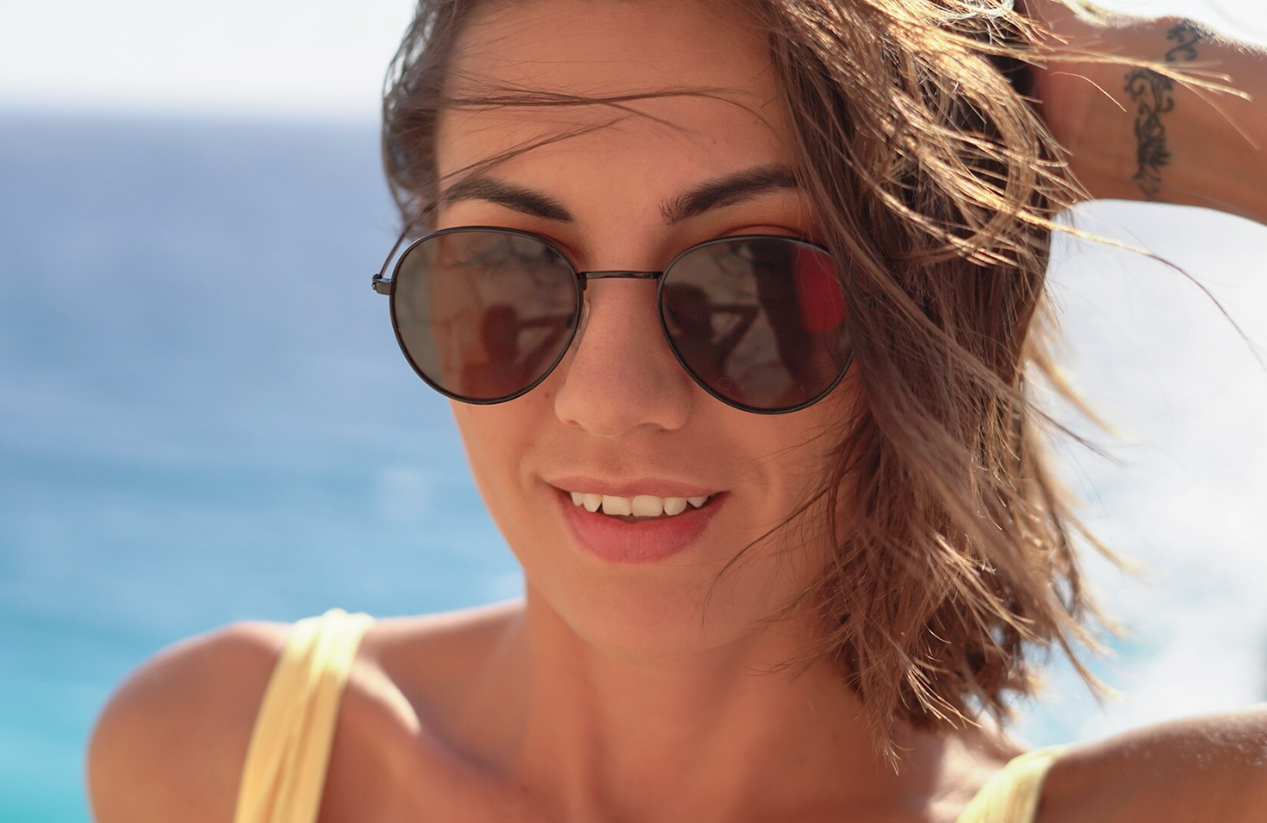
2. Choose Lenses That Fit Your Lifestyle
If you regularly move between indoor and outdoor spaces, consider lenses designed for everyday convenience.
Popular options include:
Transitions® lenses that darken automatically in sunlight
Blue light and UV protection lenses
Anti-reflective coatings to reduce glare
At EFE Glasses, modern lens technology combines comfort, visual clarity, and UV eye protection for daily wear.
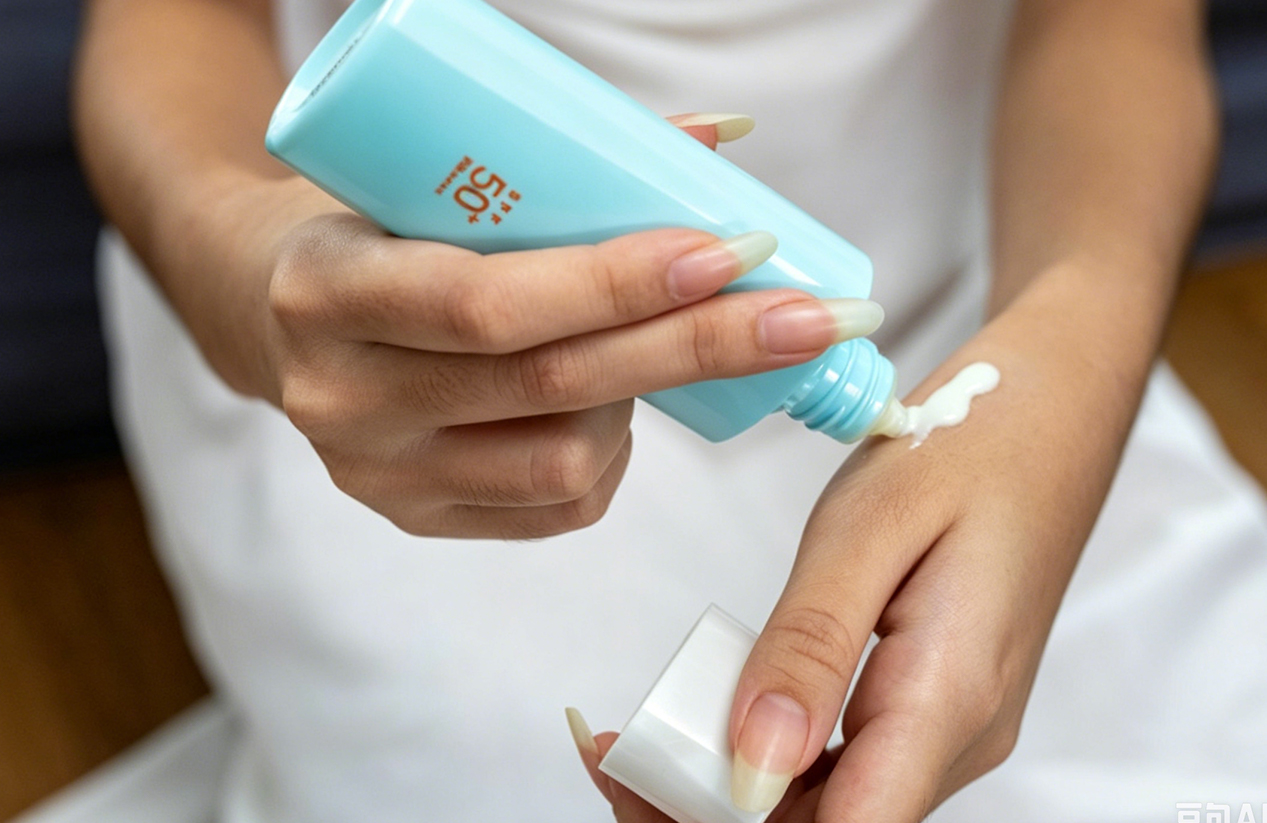
3. Protect the Skin Around Your Eyes with Sunscreen
The delicate skin around your eyes is highly vulnerable to UV damage and premature aging.
For better protection:
Use sunscreen with at least SPF 30
Choose broad-spectrum formulas that block both UVA and UVB rays
Reapply sunscreen every two hours outdoors
Protecting the skin around the eyes also helps lower the risk of sun-related skin conditions.
4. Limit Sun Exposure During Peak UV Hours
UV radiation is strongest between 11am and 3pm.
To reduce UV exposure:
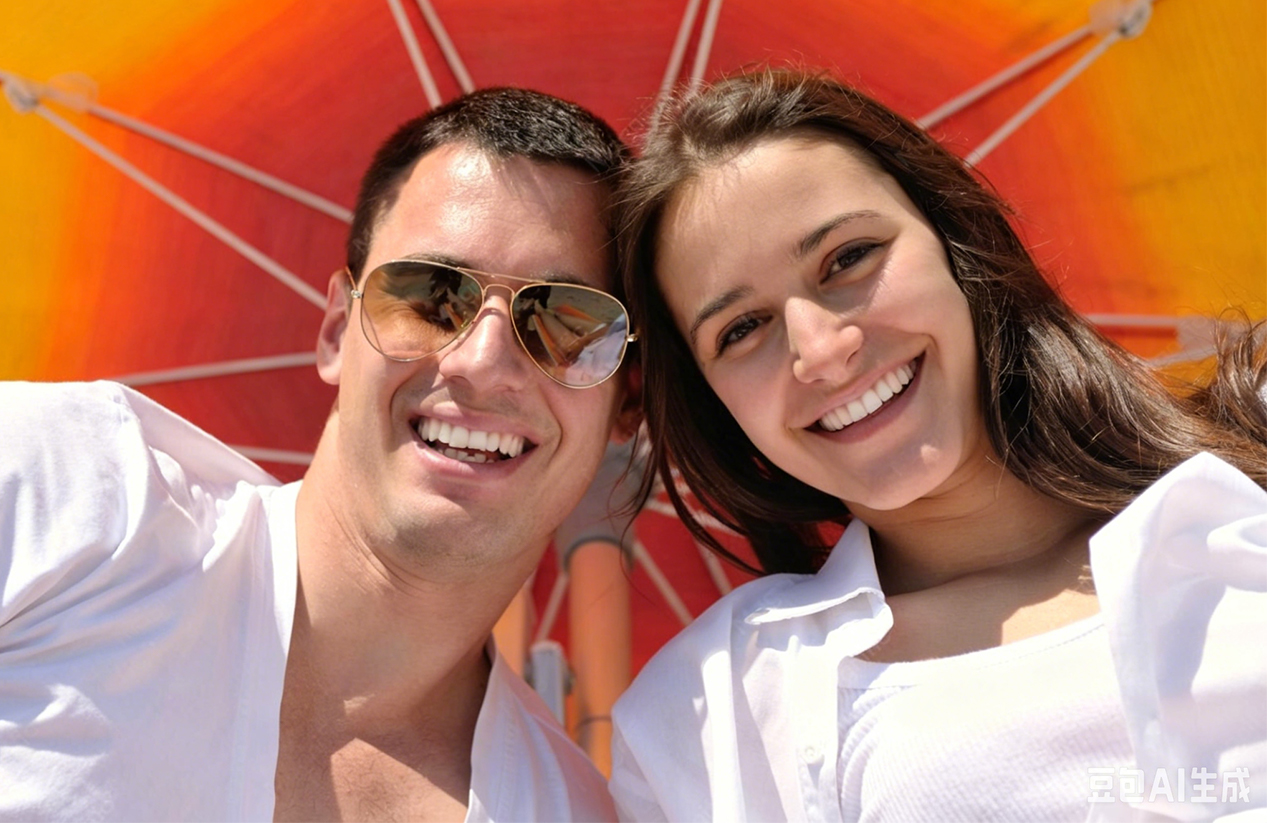
Stay in shaded areas when possible
Use umbrellas or covered outdoor spaces
Check the daily UV Index before outdoor activities
Even when it’s cloudy, up to 80% of UV rays can still penetrate through clouds.
5. Wear Protective Accessories
Adding extra physical protection can significantly reduce UV exposure.
Helpful accessories include:
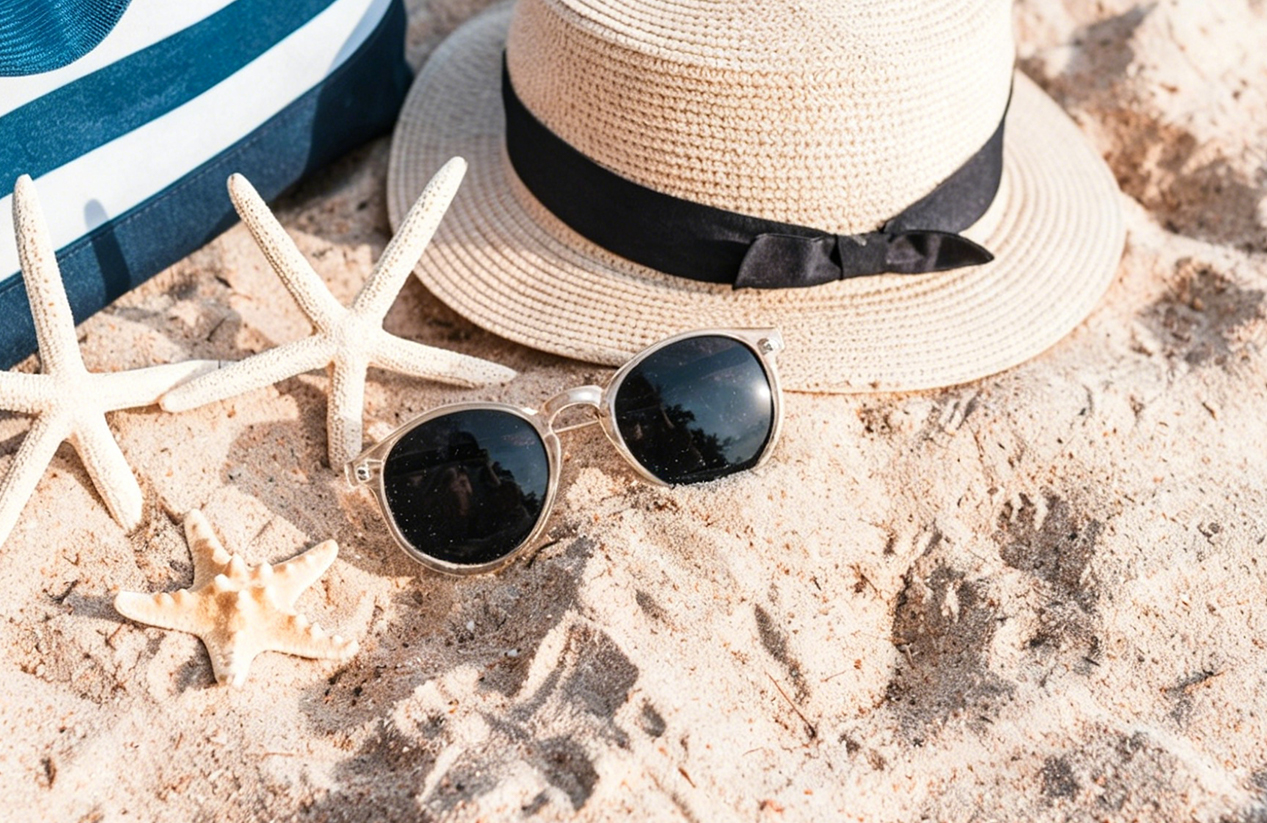
Wide-brimmed hats
UV-blocking sunglasses
Protective outdoor eyewear
Combining hats with UV protection glasses creates more complete coverage for both your eyes and face.
6. Keep Your Eyes Hydrated
Summer heat, wind, and outdoor activities can increase dryness and irritation.
To keep your eyes comfortable:
Drink plenty of water
Use lubricating eye drops if needed
Reduce excessive screen time after sun exposure
This is especially important for people who wear contact lenses, as dry environments may increase discomfort.
7. Avoid Artificial UV Exposure
Artificial tanning devices such as sunbeds and tanning booths emit intense UV radiation that may harm both your skin and eyes.
To lower your risk:
Avoid tanning beds whenever possible
Consider safer alternatives like spray tanning
Always wear eye protection around artificial UV sources
Reducing total UV exposure helps support long-term eye health and vision protection.
UV Protection Is Important All Year Round
Many people associate UV protection with summer, but UV rays are present throughout every season.
Reflections from:
Water
Sand
Snow
Pavement
can increase UV exposure even during colder months.
Making UV eye protection part of your daily lifestyle can help preserve your vision long term.
When Should You See an Optician?
Routine eye exams are essential for maintaining healthy vision and detecting early signs of eye disease.
Visit an optician or eye care professional if you experience:
Increased sensitivity to light
Persistent dry eyes
Blurred vision or visual changes
Frequent eye irritation
Regular eye check-ups can help identify early signs of cataracts, macular degeneration, and other UV-related eye conditions.
Protect Your Eyes with Confidence
Protecting your eyes from UV rays doesn’t require major lifestyle changes—just consistent habits and the right eyewear.
By wearing 100% UV protection sunglasses, limiting direct sun exposure, staying hydrated, and choosing high-quality eyewear from EFE Glasses, you can support long-term eye health while staying comfortable and stylish all summer long.
FAQs: UV Protection and Eye Care
Do I need sunglasses on cloudy days?
Yes. UV rays can still pass through clouds, so wearing sunglasses with UV protection is important even on overcast days.
Can UV rays damage eyes during winter?
Yes. Snow, water, and reflective surfaces can intensify UV exposure during winter months.
Are polarised lenses the same as UV protection?
No. Polarised lenses reduce glare, but you still need lenses with full UV400 protection to block harmful UV rays.
Can contact lenses protect against UV rays?
Some contact lenses provide partial UV filtering, but they should not replace proper UV protection sunglasses.
What is photokeratitis?
Photokeratitis is a painful temporary condition caused by UV damage to the cornea, similar to a sunburn on the eye.