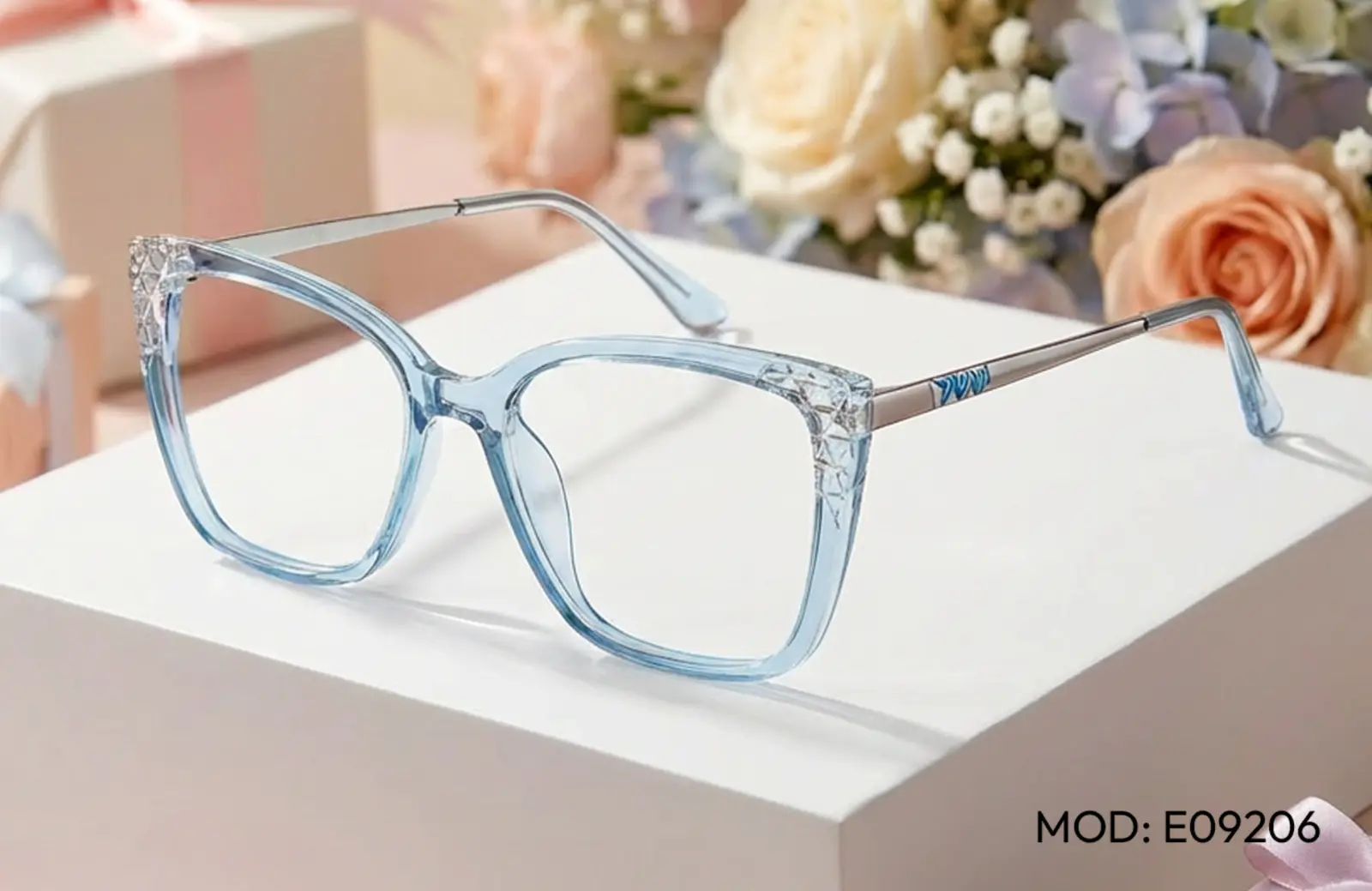
Every school day asks a lot from a child's glasses. They need to stay comfortable during reading, play, classroom activities, and family routines. Getting the right pair of kids glasses online starts with knowing how fit, frame size, lens safety, and everyday comfort work together.
Why Kids Glasses Fit Differently from Adult Frames
Children's faces are still growing. That means the proportions are different from adults — not just smaller. The nose bridge tends to be flatter, the head is rounder, and the ears sit at a different height relative to the eyes. A frame designed for adults will often sit too low, slide constantly, or press uncomfortably against the cheeks.
Kids glasses are built around these differences. The bridge is usually narrower and lower, the temple arms are shorter, and the overall frame is lighter to reduce pressure on developing facial structures.
There is also a behavioral factor. Children move more, touch their faces more, and are less likely to notice or report discomfort. A frame that fits well from the start reduces the chances of glasses being pushed up, taken off, or avoided entirely.

How to Find the Right Frame Size When Buying Kids Glasses Online
Frame sizing is the most common concern parents have when buying kids glasses online. Frame measurements make it easier to compare sizes with confidence.
Frame Measurements Explained
Every pair of glasses has three key measurements printed on the inside of the temple arm. These numbers are listed in millimeters and follow this order: lens width, bridge width, and temple length.
Lens width refers to the horizontal width of one lens
Bridge width is the distance between the two lenses across the nose
Temple length is the full length of the arm from hinge to tip
If your child already has a pair that fits well, check those numbers first. They give you a reliable baseline when comparing new frames online.
Matching the Right Size to Your Child's Face
Once you have the current measurements, use them as a guide rather than a strict rule. Here is what to watch for:
Lens width: The frame should sit close to the child's face width without extending too far past the temples.
Bridge width: The bridge should rest comfortably on the nose and help keep the glasses steady.
Temple length: The temple arms should sit gently behind the ears without pressing or slipping.
For glasses for kids with stronger prescriptions, a slightly smaller lens width can also help reduce lens thickness and keep the glasses looking and feeling more comfortable.
Frame Features That Make Glasses for Kids More Durable and Comfortable
Once the size is right, material and construction details determine how long the glasses hold up and how comfortable they feel over time.
The table below gives a quick overview of common frame features and why they matter for active children.
Feature | Why It Matters for Kids |
|---|---|
Lightweight plastic frames | Reduces pressure on the nose and ears during long wear |
Full-rim construction | Keeps lenses held securely in place |
Flexible frame material | Supports gentle flexibility during everyday movement |
Silicone nose pads or tips | Adds grip and comfort against the skin |
Spring hinges | Allow the temples to flex outward slightly, helping reduce stress during everyday movement |
Different kids glasses may combine these features in different ways, so parents can focus on the details that matter most for their child's routine.
Color and style matter too. Children are far more likely to wear glasses for kids they feel good about. Letting them choose within a shortlist of well-fitting options can make daily wear a much easier habit to build.
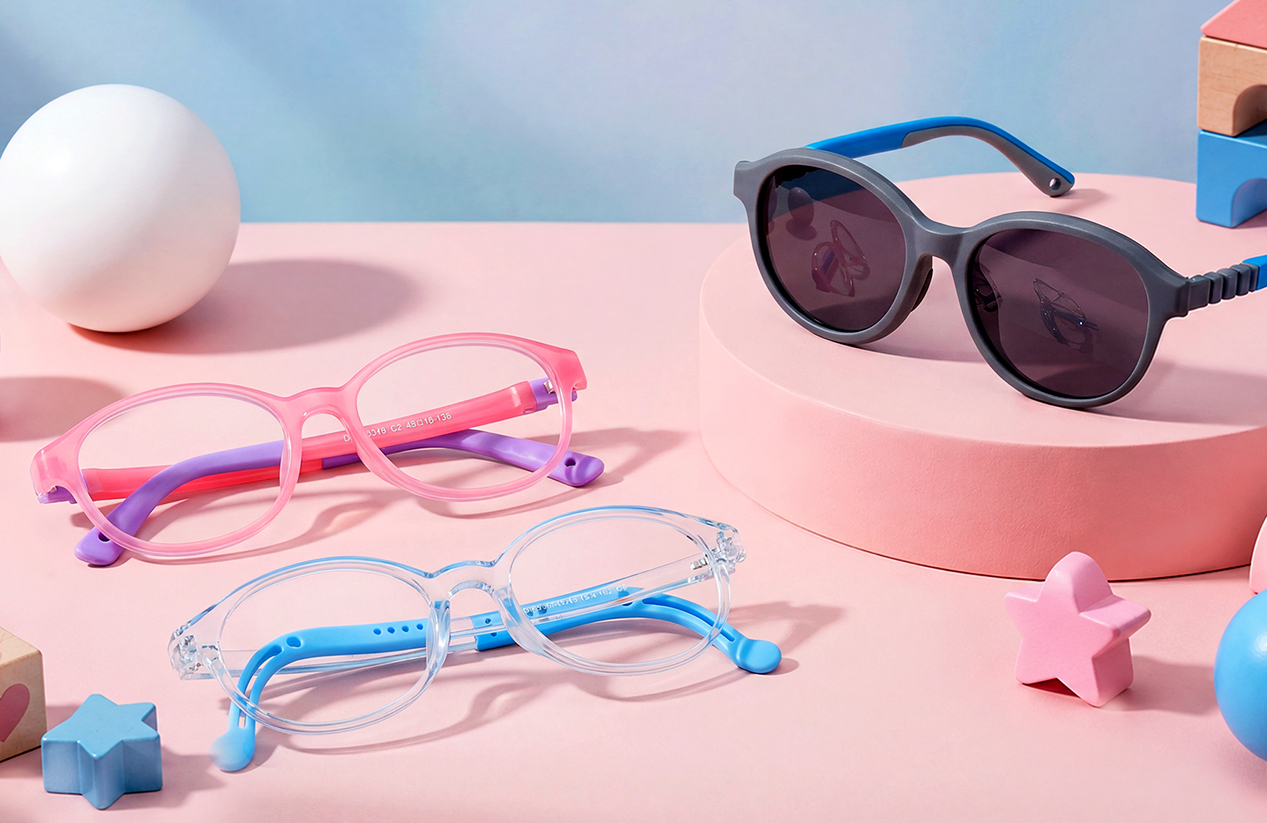
What Parents Should Know About Lenses for Children's Spectacles
Children's spectacles (eyeglasses prescribed and made specifically for children) carry different lens requirements than adult eyewear. The priority is not just vision correction — it is also impact resistance, weight, and protection from daily handling.
Lens Material
Polycarbonate lenses are the most commonly recommended option for children. Polycarbonate is a lightweight, impact-resistant plastic that is significantly more shatter-resistant than standard plastic or glass lenses. It also comes with built-in UV protection, which blocks ultraviolet rays from reaching the eye.
For children with higher prescriptions, high-index lenses are another option. High-index lenses are thinner and lighter than standard lenses at the same prescription strength, which helps reduce the thick appearance and keeps the glasses more comfortable to wear.
Lens Coatings Worth Considering
Anti-scratch coating helps the lens surface resist everyday scuffs from handling and storage
Anti-reflective (AR) coating reduces glare from screens and indoor lighting, which is especially helpful for children spending time on tablets or in classrooms
UV protection blocks harmful ultraviolet rays and is particularly important for outdoor wear
Lens coatings do not change how a prescription works. They simply protect the lens and improve visual comfort over time.
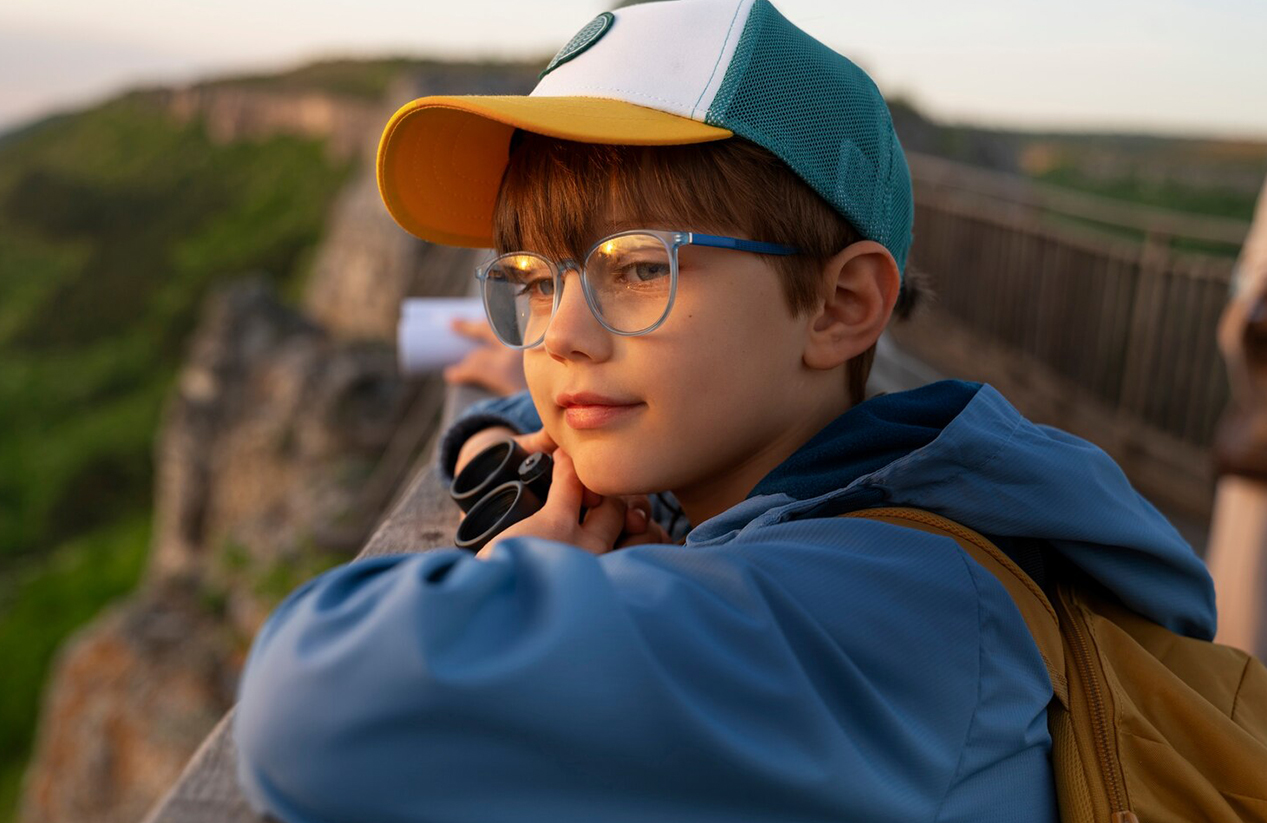
How to Help Kids Adjust to Wearing Their New Glasses Every Day
A well-fitted pair makes daily wear much easier, but children may still need a little time to build the habit. Start with short wear periods and build up gradually over the first week. Pair glasses time with activities the child enjoys, like reading, watching a show, or doing a puzzle. Positive association matters more than enforcement.
A Few Practical Habits That Also Help
Teach children to use both hands when putting glasses on and taking them off
Keep a hard case nearby so glasses have a safe place when not in use
Avoid leaving glasses lens-side down on surfaces
Check the fit every few months as the child grows
If a child keeps removing the glasses or says they feel uncomfortable after the first week, parents can check the fit and confirm whether the prescription is still current.
Find the Right Kids Glasses Online for Your Child
Buying kids glasses online does not have to feel like a guessing game. When parents know what measurements to look for, which frame features matter, and how to support daily wear, the process becomes much more straightforward. Start with accurate sizing, check the lens options carefully, and involve your child in the choice. A pair of children's spectacles that fits well and feels comfortable is one a child will actually want to wear.
FAQs
Q1. How Do I Know If Kids Glasses Online Will Actually Fit My Child?
Use your child's current glasses as a sizing reference. The three measurements printed on the temple arm — lens width, bridge width, and temple length — give you a reliable starting point. Most online retailers list these measurements for every frame, so comparing numbers before ordering reduces the guesswork significantly.
Q2. Is It Okay to Order Kids Glasses Online?
Yes, ordering kids glasses online is a practical and reliable option for many families. As long as you have an up-to-date prescription from an eye care professional and accurate frame measurements, the process is straightforward. Many online retailers also provide detailed sizing guides to help parents choose the right fit with confidence.
Q3. Can Glasses Help With Astigmatism?
Yes. Prescription glasses can help children with astigmatism see more clearly when the lenses are made according to an eye care professional's prescription. Astigmatism occurs when the cornea or lens of the eye is irregularly shaped, causing blurred or distorted vision. A correctly prescribed pair of children's spectacles can bring vision back into focus and make daily activities like reading and screen time much more comfortable.
Q4. What Is the 20-20-20 Rule for Kids?
The 20-20-20 rule is a simple eye care habit: every 20 minutes of close-up screen or reading time, look at something 20 feet away for 20 seconds. It helps reduce eye strain during long study or screen sessions. For children who wear kids glasses, combining this habit with regular eye exams and a well-fitted pair supports better daily visual comfort.