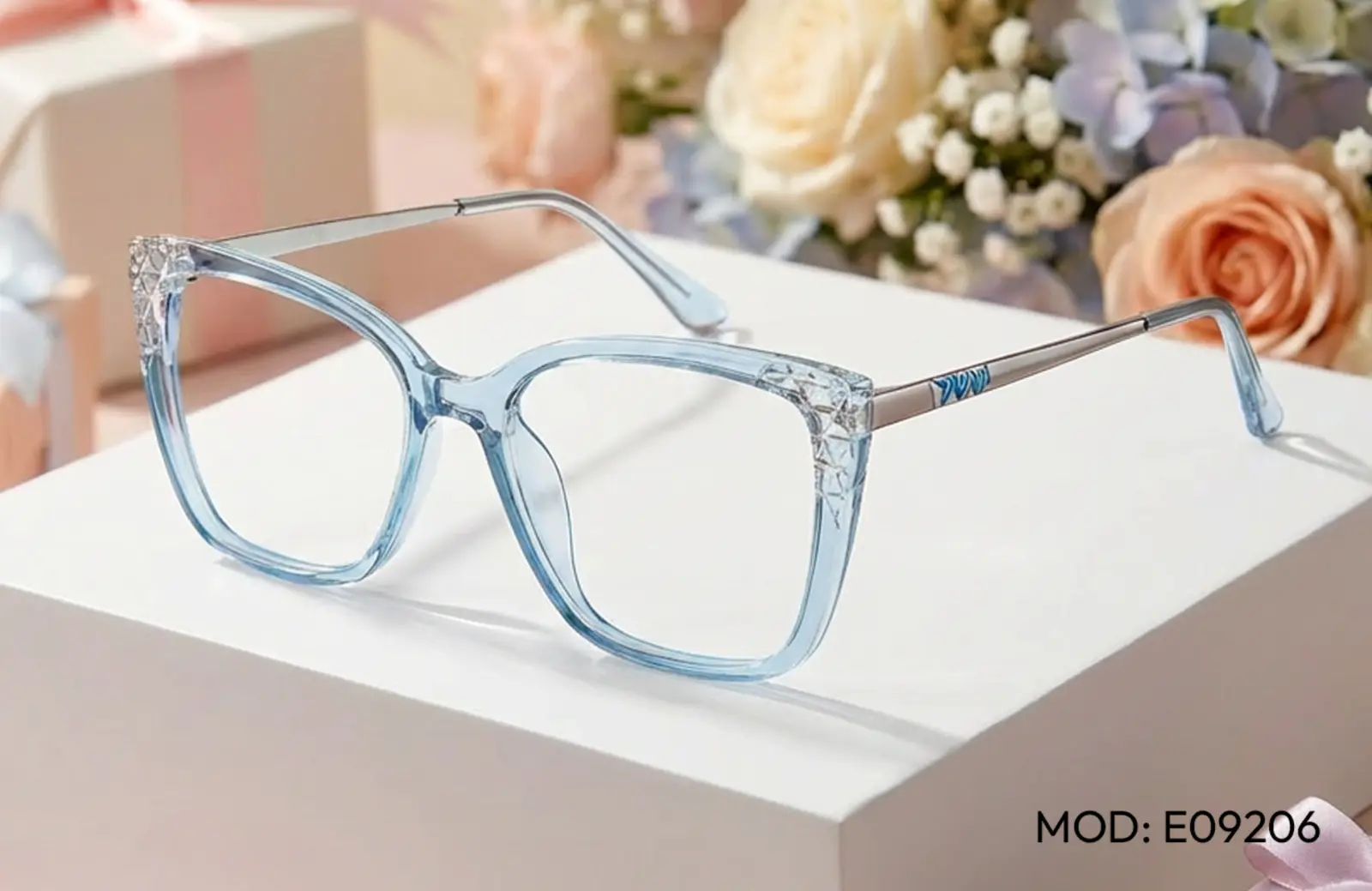
When shopping for a new pair of glasses, most people pay attention to frame style, shape, or color—but one of the most important factors is often overlooked: lens index. Your lens index directly affects how thick, lightweight, and comfortable your lenses will be. It can also influence how your glasses look overall.
At EFE Glasses, we believe choosing the right lenses should be simple and stress-free. Understanding the differences between high-index lenses and standard lenses can help you find the perfect balance between comfort, appearance, and vision quality.
What Is Lens Index?
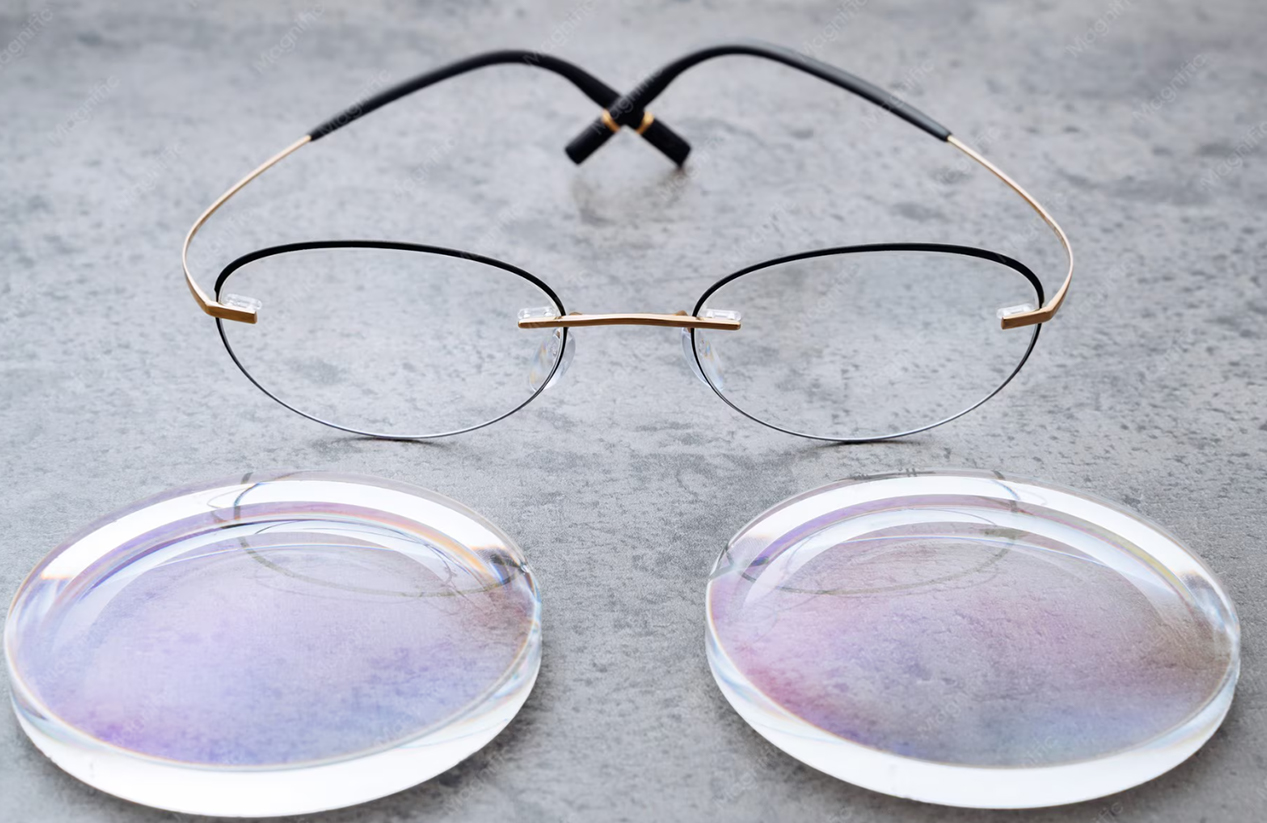
Lens index refers to how efficiently a lens bends light. In simple terms, the higher the lens index, the thinner the lens can be while still correcting the same prescription.
That’s why high-index lenses are popular among people with stronger prescriptions—they help reduce lens thickness and weight while improving the overall appearance of the glasses.
Common lens index options include:
1.56 index lenses
1.61 index lenses
1.67 high-index lenses
1.74 ultra-thin lenses
At EFE Glasses, we always emphasize that a higher index is not automatically the best choice. The ideal lens index depends on your prescription strength, frame style, lifestyle, and comfort preferences.
For lower prescriptions, standard lenses can already provide excellent clarity and value. For stronger prescriptions, thinner high-index lenses may create a lighter and more polished look.
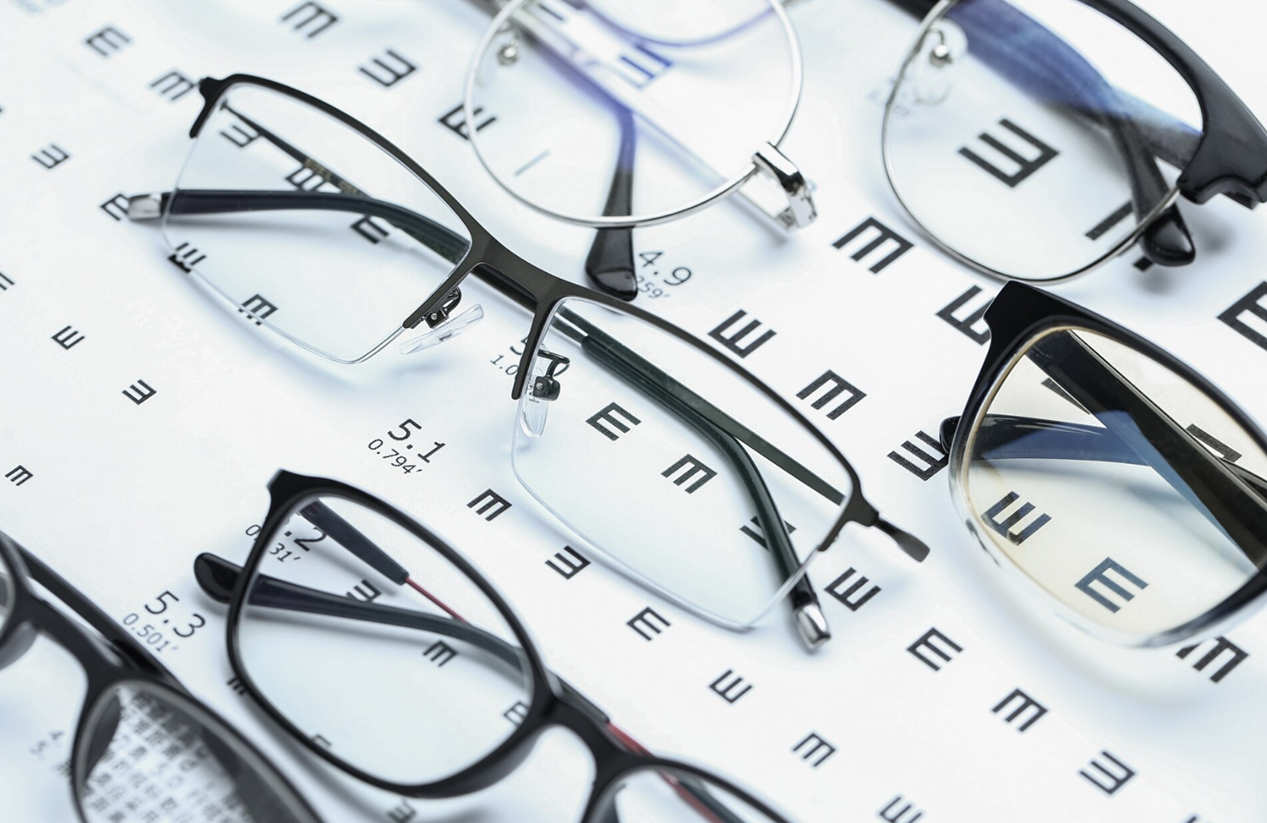
Which Lens Index Is Right for Your Prescription?
Different prescriptions are better suited to different lens indexes. Choosing the correct option can improve both comfort and aesthetics.
Low Prescription: 1.56 Index Lenses
If you have a mild prescription for nearsightedness or farsightedness, 1.56 lenses are often a practical and affordable choice.
Benefits include:
Clear everyday vision
Lightweight feel for mild prescriptions
Budget-friendly pricing
For many wearers, standard index lenses provide everything needed for daily comfort.
Moderate Prescription: 1.61 Index Lenses
For medium-strength prescriptions, 1.61 lenses offer a balanced combination of thinness, durability, and cost.
These lenses are:
Thinner than standard lenses
More comfortable for daily wear
A good middle-ground option
At EFE Glasses, 1.61 lenses are often recommended for people who want slimmer lenses without paying for ultra-high-index materials.
Strong Prescription: 1.67 High-Index Lenses
If you have a stronger prescription, 1.67 high-index lenses can significantly reduce edge thickness and improve overall appearance.
Advantages include:
Thinner and lighter lenses
Reduced “thick lens” appearance
Better comfort for all-day wear
More refined look in larger frames
For many people with higher prescriptions, high-index lenses make glasses feel noticeably lighter and more comfortable.
Ultra-Strong Prescription: 1.74 Ultra-Thin Lenses
For very high prescriptions, 1.74 lenses are among the thinnest options available.
These lenses are ideal for:
Maximum thickness reduction
Lightweight eyewear comfort
Strong prescriptions paired with stylish frames
However, thinner isn’t always necessary. At EFE Glasses, we recommend choosing lenses based on your actual visual needs instead of simply selecting the highest index available.
Other Important Factors to Consider
Lens index is important, but several other factors also affect how your glasses perform and feel.
Frame Size Matters
Larger frames require larger lenses, which can increase lens edge thickness. Even high-index lenses may appear thicker in oversized frames.
Choosing the right frame size can help create a thinner and more balanced look.
Lens Coatings and Features
Modern lenses offer additional features that improve everyday vision and eye comfort, including:
Blue light filtering lenses
Anti-reflective coatings
UV protection lenses
Scratch-resistant coatings
At EFE Glasses, we focus on combining visual clarity with practical features that support comfortable daily wear.
Comfort and Weight
Lighter lenses reduce pressure on the nose and ears, especially during long periods of wear.
High-index lenses are often preferred because they:
Feel lighter on the face
Improve long-term comfort
Create a more natural appearance
Comfort is just as important as clear vision when choosing eyewear.

Choosing the Right Lens Index for Your Lifestyle
The best lens index depends on your unique needs, including:
Prescription strength
Frame style and size
Daily screen time
Work environment
Comfort preferences
At EFE Glasses, we believe the perfect pair of glasses should combine style, comfort, and clear vision in one complete solution.
The Bottom Line
Choosing the right lens index for glasses is about finding the best balance between thickness, comfort, appearance, and budget. While high-index lenses can provide a slimmer and lighter feel, they are not always necessary for every prescription.
By understanding how lens indexes work and considering your personal lifestyle needs, you can make a more confident eyewear decision.
At EFE Glasses, we’re committed to helping you find lenses that deliver sharp vision, lightweight comfort, and everyday confidence.