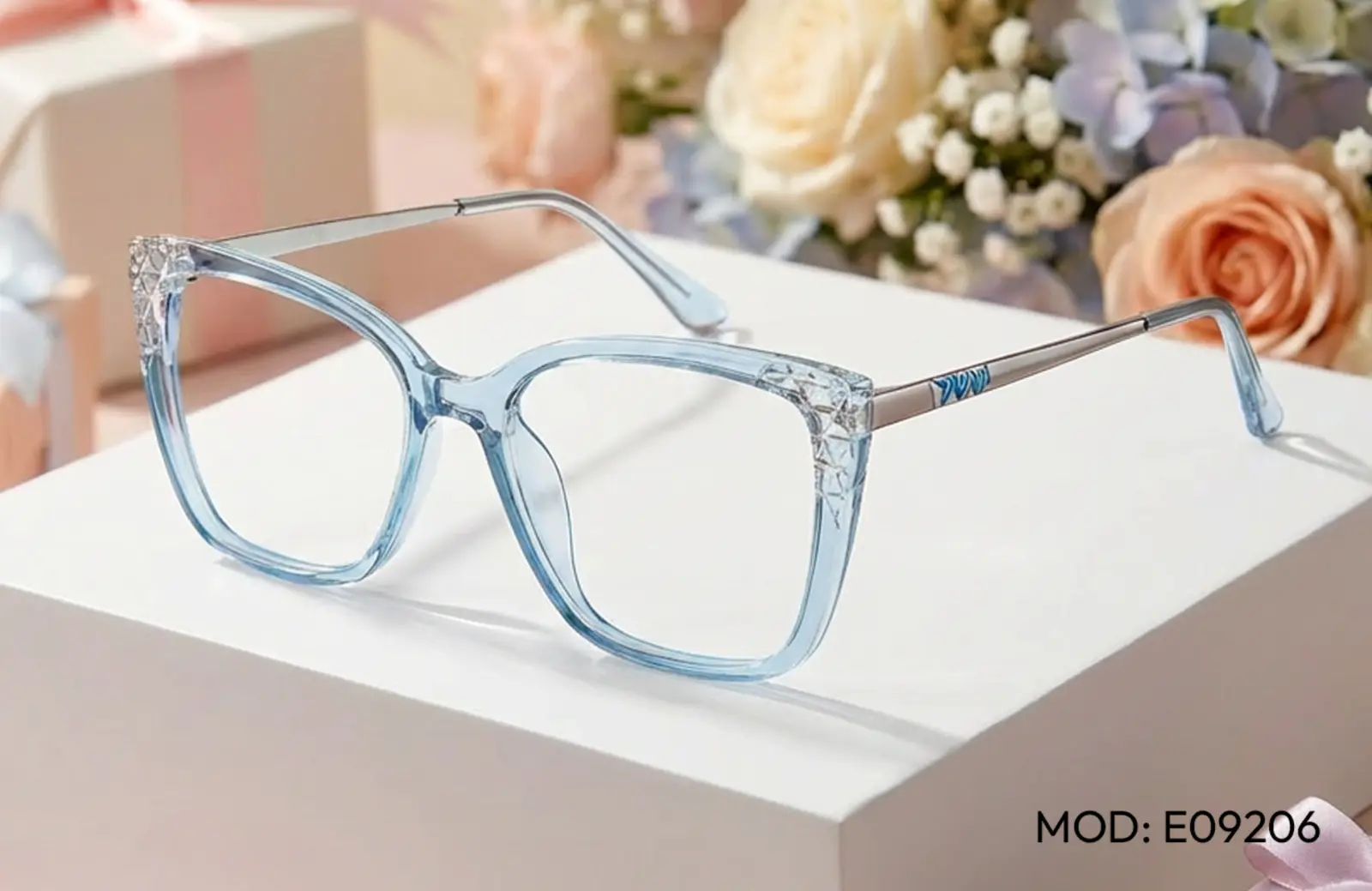
Blue light is part of everyday life—coming from natural sunlight as well as artificial sources such as smartphones, LED lighting, laptops, and computer screens. It plays a role in regulating your circadian rhythm during the daytime, helping you stay alert and focused. However, extended exposure to high-energy visible (HEV) blue light from digital devices may contribute to digital eye strain, dry eyes, and sleep disruption.
Understanding how blue light affects eye health can help you build better screen habits. Many people also turn to blue light glasses or blue light blocking lenses, such as those offered by EFE Glasses, to support more comfortable daily screen use.
What is Blue Light and Why Does It Matter?
Blue light is a high-energy portion of the visible light spectrum, with wavelengths roughly between 400–455nm. Because of its shorter wavelength, it carries more energy compared to other visible light colors.
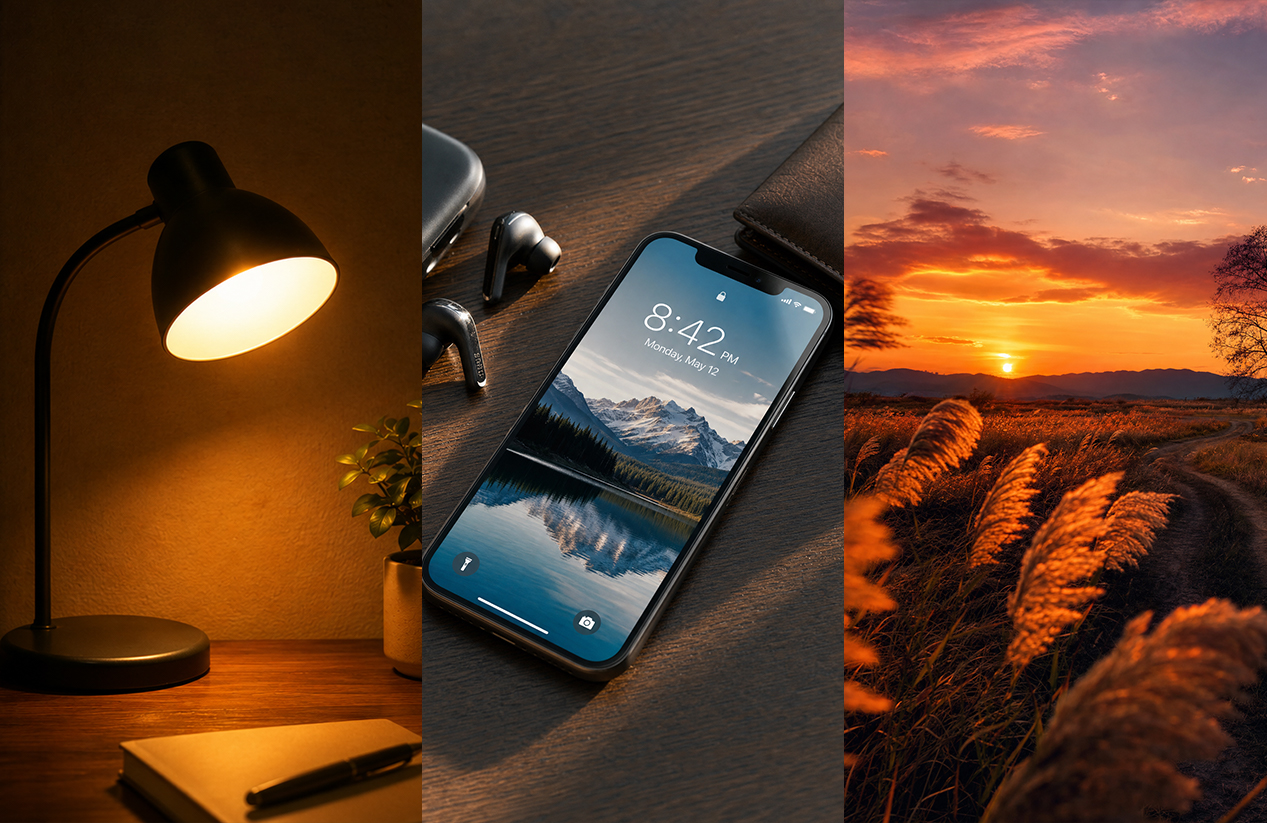
You are exposed to blue light from several common sources:
Sunlight (the largest natural source)
Digital screens (smartphones, tablets, computers)
LED lighting and modern energy-efficient bulbs
Fluorescent and indoor artificial lighting
Since these sources are present throughout both outdoor and indoor environments, your eyes are exposed to blue light continuously. This is why there is increasing attention on eye health protection and solutions like blue light filtering eyewear, including collections from EFE Glasses.
How Blue Light Affects Your Eyes
The impact of blue light depends on exposure duration and intensity.
Blue Light and Digital Eye Strain
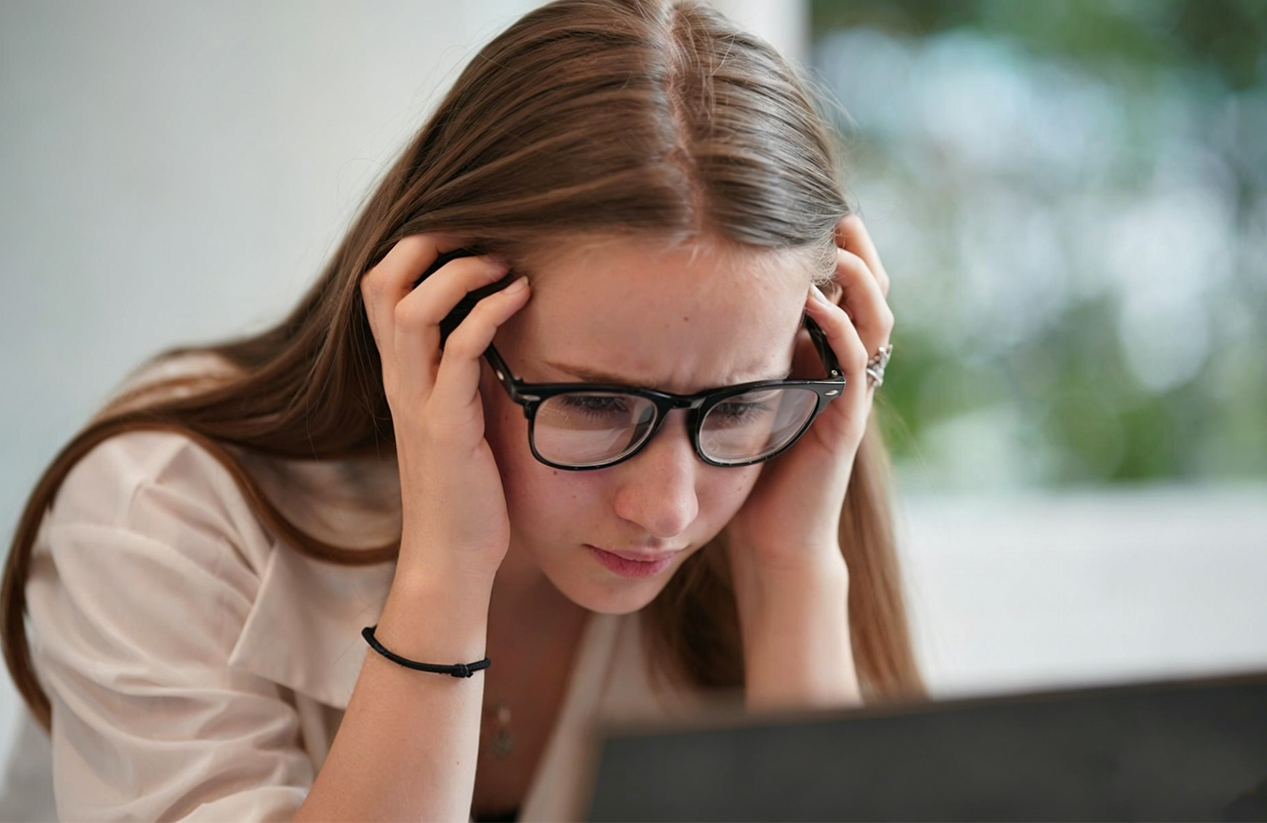
Extended screen time on digital devices can lead to digital eye strain, also known as computer vision syndrome.
Common symptoms include:
Dry or irritated eyes
Blurred vision
Eye fatigue
Headaches
This happens because prolonged focus on screens reduces blinking frequency and exposes the eyes to constant bright light. Over time, this can affect tear stability and contribute to discomfort.
Wearing blue light blocking glasses, such as those designed by EFE Glasses, may help reduce visual fatigue during long screen sessions.
Effects on the Retina and Long-Term Exposure
Blue light passes through the eye and reaches the retina, where visual signals are processed. Some research in ophthalmology has explored whether prolonged exposure to HEV light may contribute to retinal stress.
Studies have examined potential links between blue light exposure and conditions such as:
Age-related macular degeneration (AMD)
Retinal cell stress and oxidative damage
However, current evidence does not confirm that normal screen use causes permanent eye damage. Everyday exposure from devices is still considered safe within typical usage patterns.
Blue Light and Cataracts
Cataracts are primarily associated with aging and natural changes in the eye’s lens. Blue light is not considered a direct cause of cataracts, but managing overall light exposure is still part of good eye care habits.
In some cases of cataract treatment, intraocular lenses used during surgery may include blue light-filtering technology to support visual comfort.
Blue Light, Sleep, and Circadian Rhythm
Blue light plays a key role in regulating your circadian rhythm (sleep-wake cycle):
Daytime exposure helps improve alertness and focus
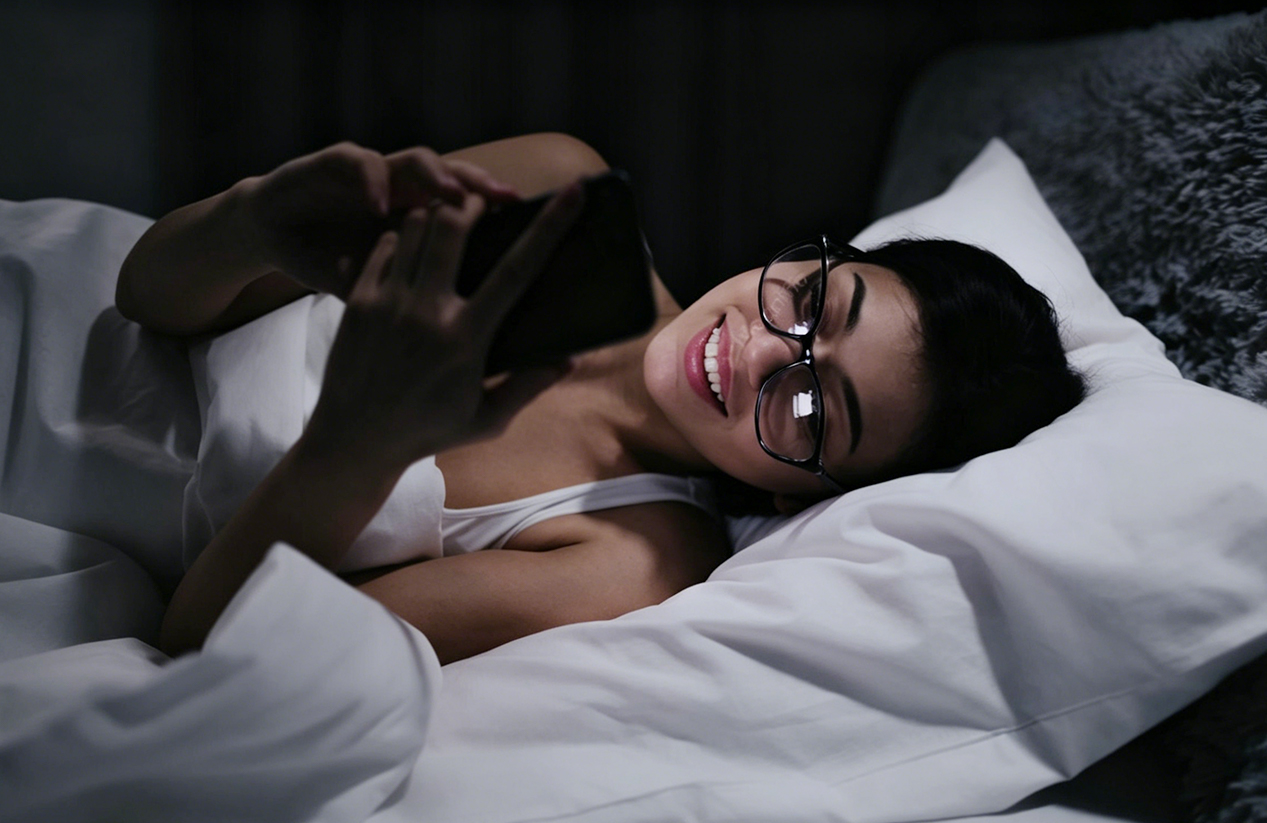
Nighttime exposure from screens may suppress melatonin production
This is especially important if you:
Use smartphones or laptops before bed
Work night shifts
Spend long hours on digital devices
Reducing evening screen exposure or using blue light glasses from EFE Glasses can help support healthier sleep patterns.
Are There Benefits of Blue Light?
Despite concerns, blue light also has important benefits:
Supports alertness and cognitive performance
Helps regulate the body’s internal clock
Enhances visual clarity in daylight conditions
The goal is not to eliminate blue light completely, but to manage exposure—especially from artificial digital sources.
How to Protect Your Eyes from Blue Light
Small daily habits can significantly reduce discomfort and improve long-term eye health.
1. Optimize Screen Settings
Lower screen brightness
Enable night mode or blue light filter
Reduce glare from lighting and reflections
2. Follow the 20-20-20 Rule
Every 20 minutes:
20 minutes→20 feet away→20 seconds20\ \text{minutes} \rightarrow 20\ \text{feet away} \rightarrow 20\ \text{seconds}20 minutes→20 feet away→20 seconds
Look away from your screen to reduce eye fatigue and support focusing ability.
3. Use Lubricating Eye Drops
Artificial tears can help relieve dryness caused by prolonged screen use.

Blue Light Filtering Eyewear: What to Know
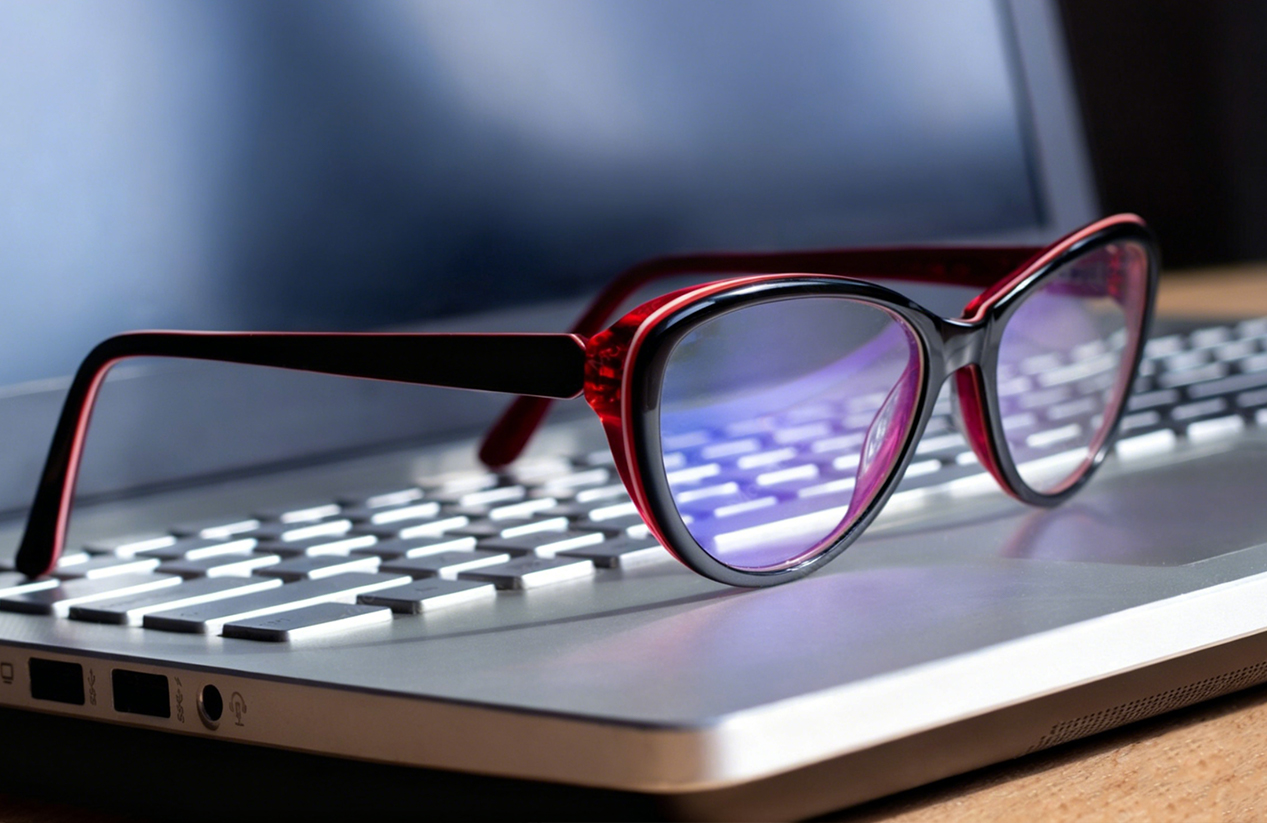
Blue light blocking glasses are designed to reduce exposure to high-energy visible light from digital screens.
Benefits may include:
Reduced screen glare
Improved visual comfort during long usage
Less eye fatigue during evening screen time
EFE Glasses offers modern blue light filtering eyewear designed for everyday use, making it easier to combine style with digital eye protection.
Managing Screen Time and Exposure
Your overall screen time plays a major role in how blue light affects your eyes. Reducing continuous exposure helps minimize symptoms of digital eye strain and supports long-term comfort.
Balanced habits + protective eyewear = better daily eye wellness.
The Bottom Line
Blue light is unavoidable in modern life—from sunlight to smartphones and LED lighting. While it supports alertness and biological rhythms, excessive screen exposure can lead to dry eyes, blurred vision, and digital eye strain.
By managing screen habits, adjusting device settings, and using blue light glasses like EFE Glasses, you can significantly improve daily eye comfort and long-term visual health.
FAQs: How to Prevent Scratches on Glasses
How do you stop glasses from getting scratched?
To prevent scratches, always store glasses in a protective case, clean lenses with a microfiber cloth, and avoid placing them face-down. Choosing scratch-resistant lenses can also extend durability.
What is the best way to clean glasses without scratching them?
Rinse lenses with lukewarm water, apply a mild lens cleaner, and gently wipe using a microfiber cloth. Avoid dry wiping, which can cause micro-scratches.
What is the best cloth for cleaning glasses?
A microfiber cloth is the safest option. It removes oil and dust without damaging lens coatings. Avoid paper towels, tissues, or clothing.
Do anti-scratch coatings really work?
Yes, anti-scratch coatings help reduce everyday wear and improve lens durability. While not completely scratch-proof, they significantly extend lens life.
Can scratched glasses be fixed?
Most scratched lenses cannot be repaired effectively. DIY methods may worsen the damage. If scratches affect vision, replacing the lenses is usually the best solution.