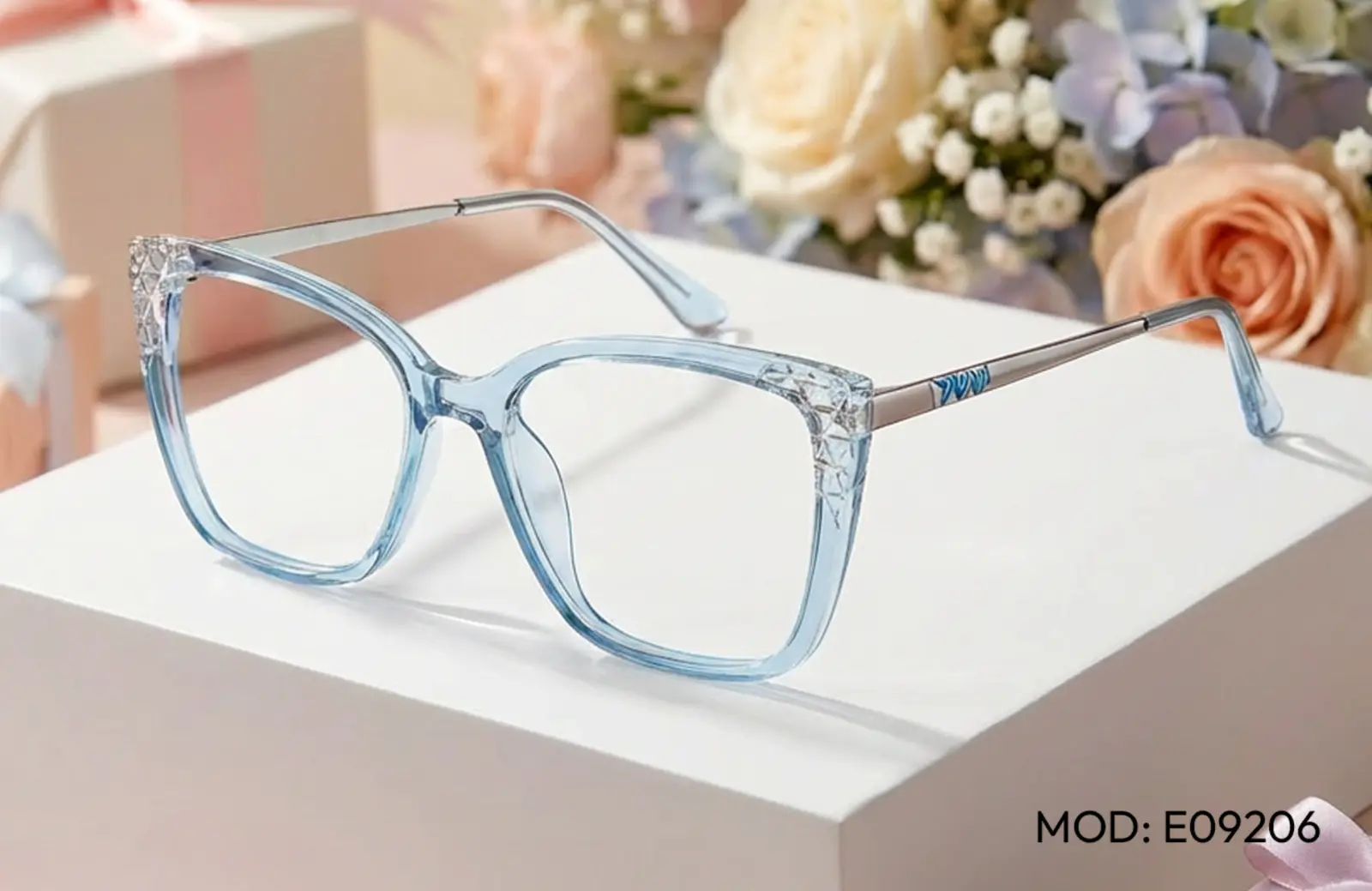
When buying new glasses, most people focus on frame style, color, or brand—but one crucial factor often gets overlooked: lens thickness. In reality, lens thickness affects not only how your glasses look but also how they feel and perform in daily use.
In this guide, we’ll break down how lens thickness is calculated, what influences it, and how to choose the best option for comfort and appearance. As a brand focused on modern design and everyday wearability, EFE Glasses believes that understanding these basics helps you make smarter eyewear decisions.
1. What Determines Lens Thickness?
Many assume that prescription strength is the only factor affecting lens thickness. While it’s important, several elements work together to determine the final result.
Prescription Strength (Refractive Error)
Your prescription—whether for myopia (nearsightedness) or hyperopia (farsightedness)—plays a major role:
Higher myopia → thicker lens edges
Higher hyperopia → thicker lens center
This happens because of how lenses bend light to focus it correctly on the retina.
Lens Index (Refractive Index)
The lens index refers to how efficiently a lens material bends light.
Higher index lenses = thinner and lighter
Lower index lenses = thicker but more affordable
For strong prescriptions, high-index lenses are often recommended to reduce bulk and improve aesthetics without sacrificing clarity.
Frame Size and Shape
Frame choice directly impacts lens thickness:
Larger frames → thicker lens edges
Smaller frames → thinner, more compact lenses
That’s why people with stronger prescriptions are often advised to avoid oversized frames.
Lens Material
Different materials (like polycarbonate or high-index plastic) also affect thickness and weight. Lightweight materials help improve comfort, especially for all-day wear.
At EFE Glasses, lens thickness is always considered as a balance between prescription, lens material, and frame design, not just a single factor.
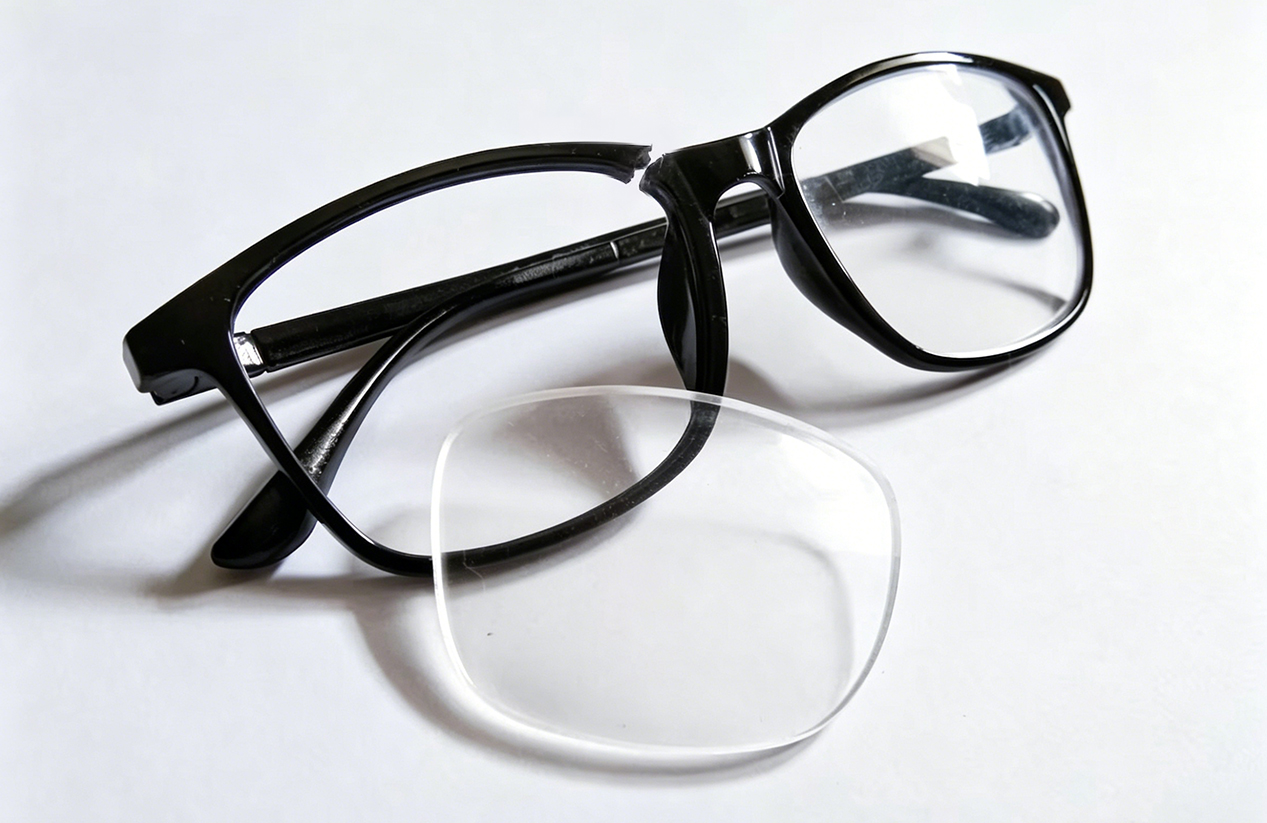
2. How to Reduce Lens Thickness
Even if your prescription is strong, there are several ways to make your lenses appear thinner and more comfortable.
Choose a Higher Lens Index
Selecting a high-index lens (1.67 or 1.74) can significantly reduce thickness, especially for high prescriptions. This is one of the most effective upgrades for both aesthetics and comfort.
Pick Smaller, Well-Fitted Frames
Compact frames help control lens thickness by reducing the overall lens diameter.
Avoid oversized styles if you have a strong prescription
Choose frames that fit closely to your face
Consider Frame Style and Color
Frame design can visually minimize thickness:
Thicker acetate frames can hide lens edges
Darker colors reduce the visibility of thick lenses
Minimal frames highlight thin lenses better
Use Advanced Lens Coatings
While coatings don’t directly reduce thickness, features like anti-reflective coating improve clarity and reduce visual distractions, making lenses appear cleaner and more refined.
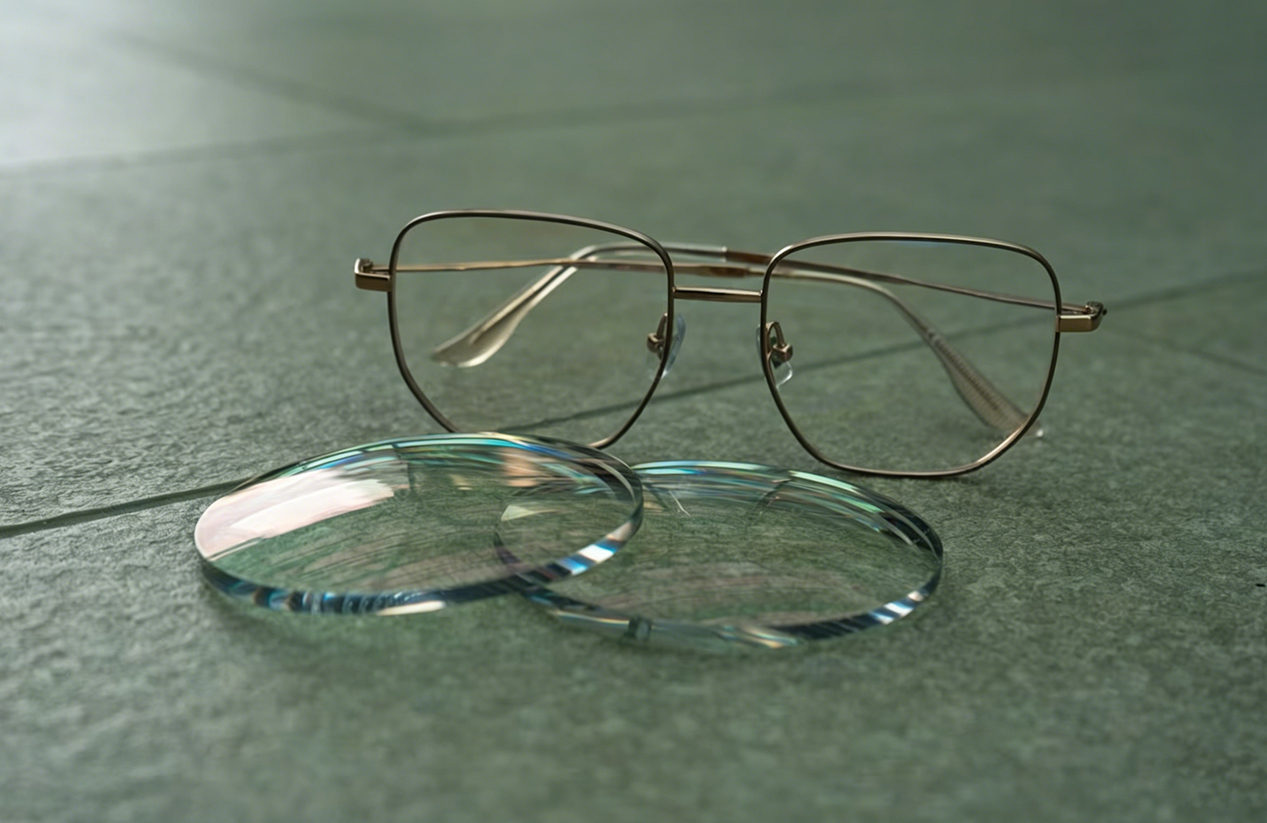
3. Why Lens Thickness Matters for Comfort
Lens thickness doesn’t just affect how your glasses look—it also impacts how they feel.
Weight and Pressure
Thicker lenses are heavier, which can:
Add pressure on the nose bridge
Cause discomfort behind the ears
Lead to slipping during daily wear
Balance and Stability
Thinner lenses create a more balanced frame, improving:
Fit stability
Long-term wearing comfort
Overall user experience
This is why many wearers prefer thinner, lightweight lenses—especially for full-day use.
At EFE Glasses, designs are optimized to balance lens thickness, frame weight, and ergonomic fit, ensuring both style and comfort.

4. Finding the Right Balance
Choosing the right lens thickness isn’t just about going as thin as possible—it’s about finding what works best for your needs.
Consider:
Your prescription strength
Your lifestyle (daily wear, work, outdoor use)
Your preferred frame style
Your comfort expectations
For some, a standard lens works perfectly. For others, investing in high-index lenses makes a noticeable difference.
Conclusion
Understanding how lens thickness is calculated helps you make better decisions when buying glasses. It’s not determined by one factor alone but by a combination of prescription, lens index, frame size, and material.
By choosing the right combination, you can achieve thinner, lighter, and more comfortable eyewear without compromising on style.
Whether you’re upgrading your prescription or buying your first pair, EFE Glasses offers options designed to balance clarity, comfort, and modern aesthetics—so your glasses not only help you see better but feel better every day.